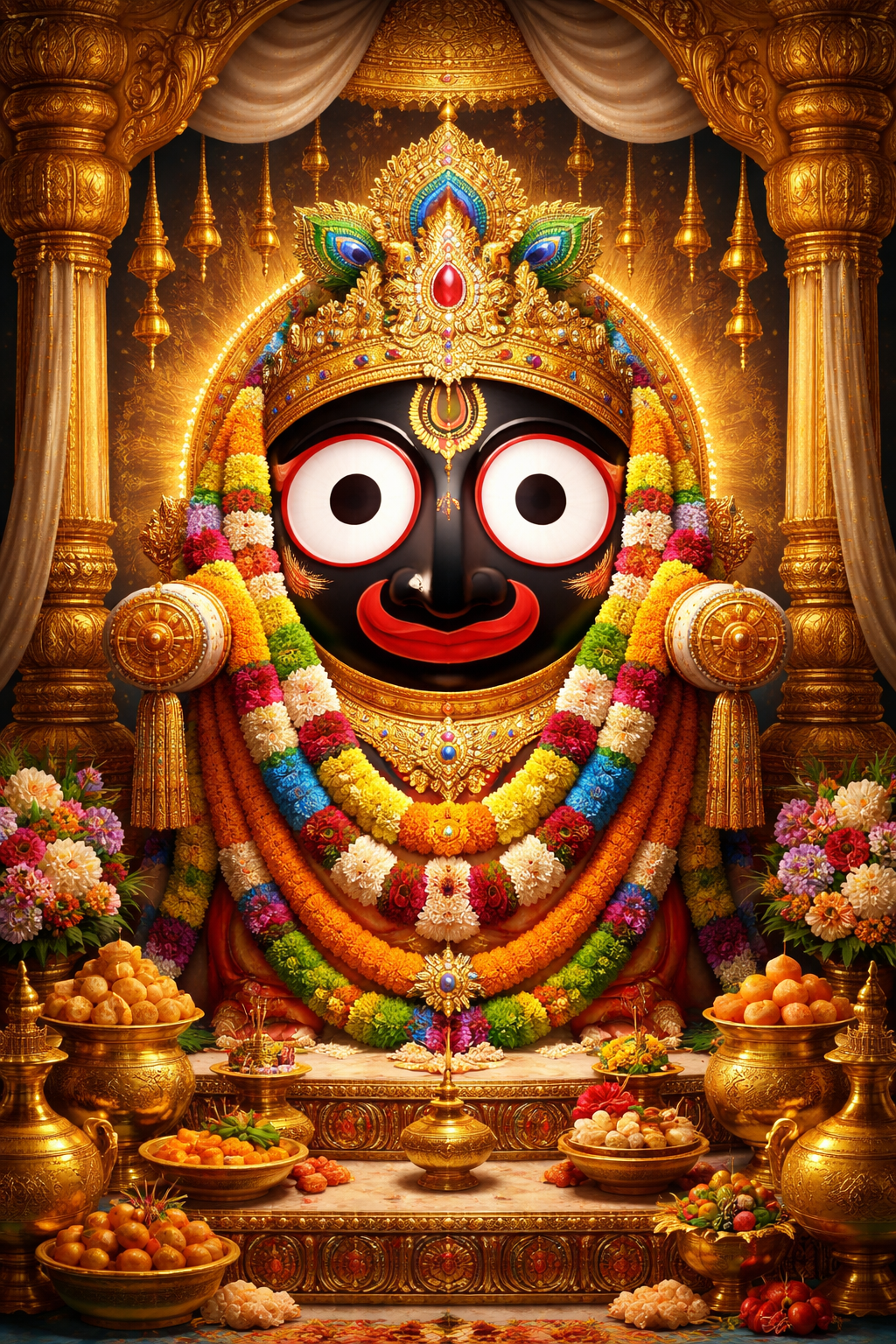
Puri: The Sacred Coastal City of Lord Jagannath
Puri, located on the eastern coast of India in the state of Odisha, is one of the most ancient and spiritually significant cities of the country. Famous worldwide as the abode of Lord Jagannath, Puri is not only a major Hindu pilgrimage center but also a vibrant coastal town known for its rich history, art, culture, and natural beauty. Nestled along the shores of the Bay of Bengal, Puri holds a unique place in India’s religious landscape as one of the Char Dham—the four most sacred pilgrimage sites for Hindus.
Historical Background
The history of Puri dates back over two thousand years and is closely connected with ancient kingdoms, dynasties, and religious movements. In ancient times, the region was known as Kalinga, a powerful kingdom that played a significant role in Indian history. Archaeological evidence suggests that Puri and its surrounding areas were important centers of culture and trade even before the Christian era.
The city gained prominence during the reign of the Eastern Ganga dynasty in the 12th century. It was during this period that King Anantavarman Chodaganga Deva initiated the construction of the famous Jagannath Temple. Successive rulers patronized art, architecture, and religious institutions, turning Puri into a major spiritual hub. Over centuries, Puri also witnessed invasions, colonial influence, and social changes, yet it retained its sacred identity and cultural continuity.
Religious Significance
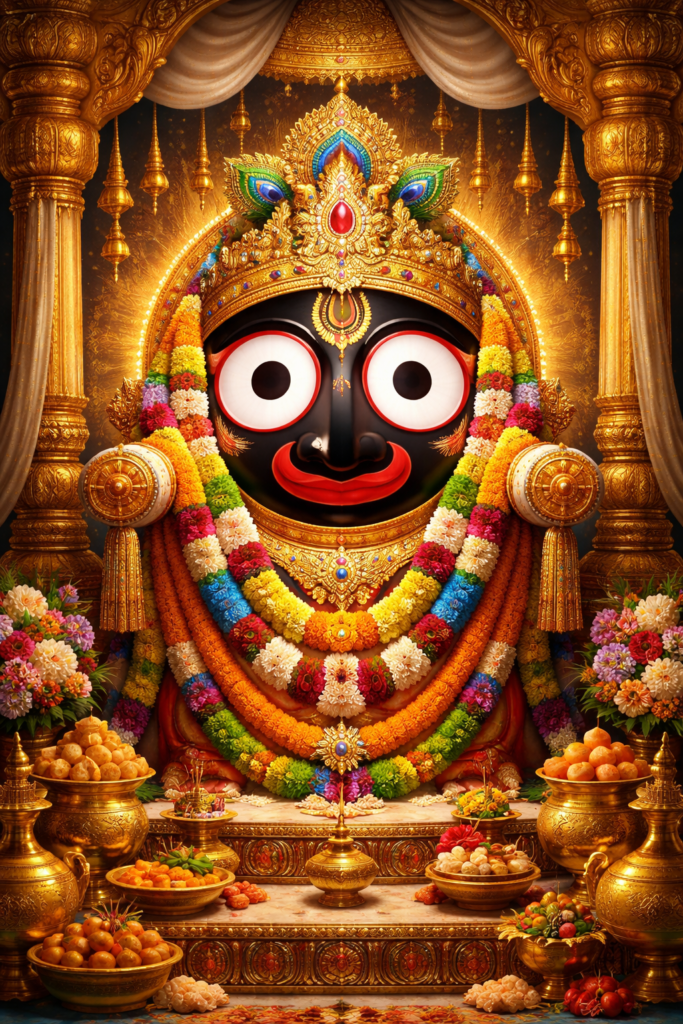
Puri’s greatest fame comes from the Jagannath Temple, one of the most revered temples in Hinduism. Lord Jagannath, along with his siblings Balabhadra and Subhadra, is worshipped here in a unique wooden form, symbolizing the universality and inclusiveness of faith. Unlike many other Hindu temples, the rituals of Jagannath are deeply rooted in tribal traditions, reflecting a fusion of Aryan and indigenous cultures.
Puri is one of the four Char Dham pilgrimage sites, the others being Badrinath, Dwarka, and Rameswaram. A pilgrimage to Puri is considered incomplete without visiting the Jagannath Temple. Millions of devotees from across India and abroad visit the city every year to seek blessings and spiritual fulfillment.
The Grand Rath Yatra
One of the most spectacular festivals in India, the Rath Yatra of Puri, attracts millions of pilgrims and tourists. Held annually during the months of June or July, this festival involves the ceremonial procession of Lord Jagannath, Balabhadra, and Subhadra on massive, elaborately decorated wooden chariots. These chariots are pulled by devotees through the streets of Puri to the Gundicha Temple.
The Rath Yatra symbolizes the Lord’s journey to meet his devotees, breaking the traditional barriers of caste and class. People from all sections of society participate, making it a powerful expression of unity, devotion, and equality. The sight of the towering chariots, rhythmic chants, and sea of devotees creates an atmosphere of intense spiritual energy.
Geography and Climate
Puri is situated along the Bay of Bengal, about 60 kilometers from Bhubaneswar, the capital of Odisha. The city is blessed with long stretches of sandy beaches and a serene coastal environment. The Puri Beach is one of the most popular beaches in eastern India, known for its golden sands, rolling waves, and beautiful sunrises.
The climate of Puri is tropical, characterized by hot summers, a humid monsoon season, and mild winters. Summers can be quite warm, while the monsoon brings heavy rainfall, adding freshness to the surroundings. Winters are pleasant and ideal for tourism and pilgrimage.
Cultural Heritage
Puri is a center of rich cultural traditions, particularly in the fields of dance, music, and art. It is closely associated with Odissi dance, one of the classical dance forms of India. Many traditional dance gurus and institutions in and around Puri have contributed significantly to preserving and promoting Odissi.
The city is also famous for Pattachitra paintings, intricate traditional artworks created on cloth using natural colors. These paintings often depict scenes from the life of Lord Jagannath, Krishna, and various mythological stories. Another unique cultural element is the tradition of Chitrakara artists, who play an important role in temple rituals and festivals.
Local Cuisine and the Mahaprasad
One of the most remarkable aspects of Puri’s religious life is the Mahaprasad of Lord Jagannath. Prepared in the temple kitchen, which is considered one of the largest temple kitchens in the world, Mahaprasad is cooked using traditional methods in earthen pots over wood-fired ovens. It is believed that the food is first offered to the Lord and then distributed to devotees.
The Mahaprasad is unique because people of all castes and communities sit together to partake in it, symbolizing equality and brotherhood. Apart from Mahaprasad, Puri is famous for its Odia cuisine, including dishes like Dalma, Khaja, Chuda mix, and various seafood delicacies.
Economy and Livelihood
Puri’s economy largely depends on tourism, pilgrimage, fishing, and handicrafts. The constant influx of pilgrims supports hotels, transport services, local shops, and small businesses. The fishing community plays a vital role in the coastal economy, supplying fresh seafood to local markets.
Handicrafts such as Pattachitra, stone carvings, and conch shell works contribute to the city’s cultural economy. These traditional crafts provide livelihoods to many families and help preserve Odisha’s artistic heritage.
Puri in the Freedom Movement
Puri also played a role in India’s freedom struggle. Leaders like Mahatma Gandhi visited the city and emphasized the importance of social reform and upliftment of the marginalized. The city became a center for discussions on nationalism, spirituality, and social harmony during the colonial period.
Modern Development and Challenges
In recent years, Puri has undergone significant development to improve infrastructure, sanitation, and tourism facilities. The government has undertaken projects to beautify the city, especially areas around the Jagannath Temple and the beachfront. Improved roads, public amenities, and heritage conservation efforts aim to make Puri more accessible and visitor-friendly.
However, Puri also faces challenges such as coastal erosion, overcrowding during festivals, waste management, and environmental sustainability. Balancing modern development with the preservation of its sacred and ecological character remains a major concern.
Conclusion
Puri is more than just a city; it is a living symbol of India’s spiritual depth, cultural richness, and historical continuity. From the towering spire of the Jagannath Temple to the soothing waves of the Bay of Bengal, every corner of Puri resonates with devotion and tradition. Its festivals, art, cuisine, and inclusive spiritual practices reflect the essence of Indian civilization.
As one of the Char Dham and a gateway to divine experience, Puri continues to attract millions of devotees and travelers seeking faith, peace, and cultural discovery. Despite the challenges of modernization, Puri remains timeless—where devotion meets the sea, and history lives on through rituals, faith, and collective memory.