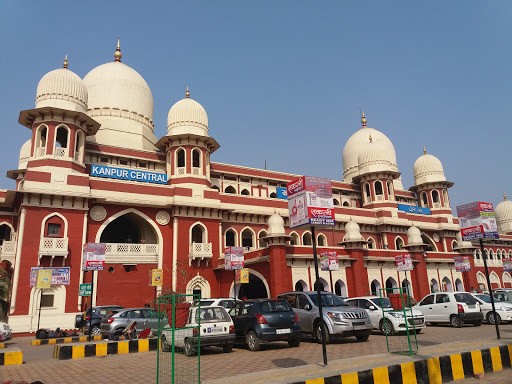
Category: Babu Shivam Raj

This is Babu Shivam Raj website.

  • New York – USA ๐Ÿ‡บ๐Ÿ‡ฒ

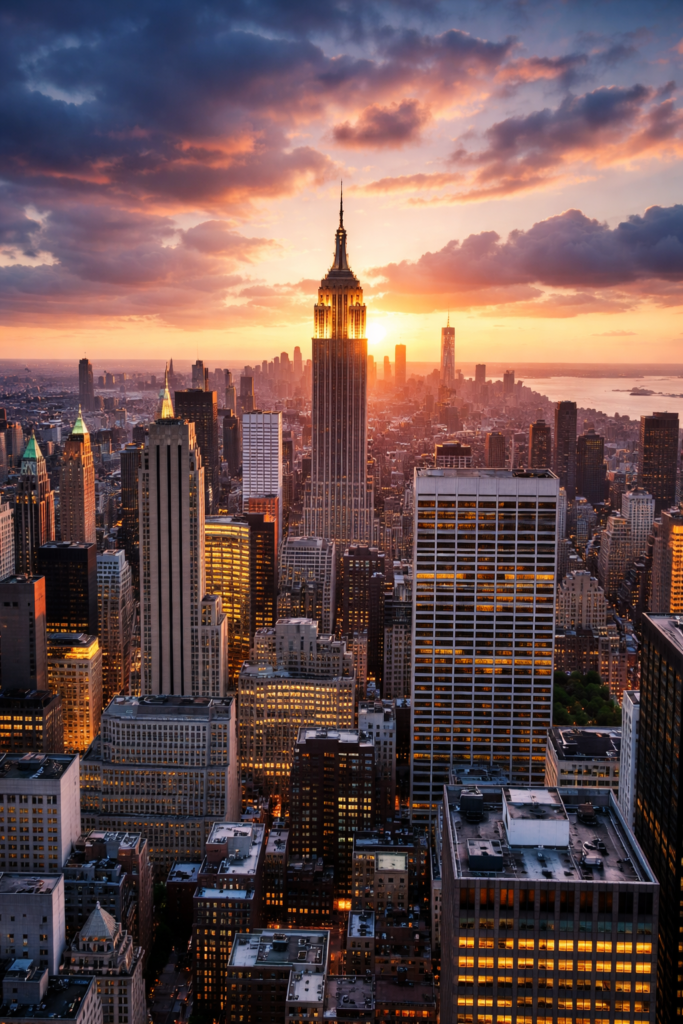
    New York is one of the most influential and dynamic cities in the world, often described as a global capital of culture, finance, media, and innovation. Located in the northeastern United States, New York City is the largest city in the country by population and is widely known as โ€œThe Big Apple.โ€ Its unmatched energy, diversity, and iconic skyline make it a symbol of opportunity and ambition for millions of people around the globe.

    New York City consists of five boroughsโ€”Manhattan, Brooklyn, Queens, the Bronx, and Staten Islandโ€”each with its own unique character and cultural identity. Manhattan, the heart of the city, is famous for its towering skyscrapers, bustling streets, and world-renowned landmarks. It is home to Times Square, Central Park, Wall Street, and Broadway, making it a hub of business, entertainment, and tourism. Manhattanโ€™s skyline, dominated by structures like the Empire State Building and One World Trade Center, is instantly recognizable worldwide.
    Brooklyn is known for its vibrant neighborhoods, artistic communities, and scenic waterfronts. It has become a center for creativity, featuring popular areas such as Williamsburg and Brooklyn Heights. Queens is the most ethnically diverse urban area in the world, reflecting New Yorkโ€™s identity as a city of immigrants. It hosts two major airportsโ€”John F. Kennedy International Airport and LaGuardia Airportโ€”and offers rich cultural experiences through museums, parks, and global cuisine. The Bronx is famous as the birthplace of hip-hop music and is home to Yankee Stadium and the Bronx Zoo. Staten Island, connected to Manhattan by a free ferry, offers beautiful views of the Statue of Liberty and a quieter suburban atmosphere.

    New Yorkโ€™s history is deeply rooted in immigration. From the late 19th to early 20th century, millions of immigrants arrived through Ellis Island, seeking a better life. This migration shaped the city into a multicultural society where people from almost every country coexist. As a result, New York is a melting pot of languages, traditions, religions, and cuisines. From Chinatown and Little Italy to Harlem and Jackson Heights, cultural diversity is visible in every corner of the city.

    Economically, New York is one of the worldโ€™s most powerful cities. Wall Street, located in Lower Manhattan, is the center of global finance and home to the New York Stock Exchange and NASDAQ. The city is also a leader in industries such as media, fashion, technology, advertising, and real estate. Major global companies, startups, and creative professionals are drawn to New York for its opportunities and competitive environment.

    New York is also a global cultural capital. Broadway theaters attract millions of visitors each year, offering world-class performances. The city hosts some of the finest museums, including the Metropolitan Museum of Art, Museum of Modern Art (MoMA), and the American Museum of Natural History. Music, art, literature, and film flourish in New York, influencing trends worldwide. The city has also played a significant role in the development of jazz, hip-hop, and modern art movements.

    Tourism is a major part of New Yorkโ€™s identity. Iconic landmarks such as the Statue of Liberty, Central Park, Brooklyn Bridge, and Fifth Avenue draw millions of tourists annually. The cityโ€™s vibrant nightlife, shopping districts, food culture, and festivals ensure there is something for everyone. From street food vendors to Michelin-starred restaurants, New York offers culinary experiences from across the globe.

    Despite its fast-paced lifestyle and high cost of living, New York continues to attract dreamers, entrepreneurs, artists, and professionals. It represents resilience, especially after overcoming challenges such as the September 11, 2001 attacks, which reshaped parts of the city but strengthened its spirit.

    In conclusion, New York is more than just a cityโ€”it is an idea and a symbol of ambition, diversity, and possibility. Its history, culture, economic power, and global influence make it one of the most important cities in the world. Known as โ€œthe city that never sleeps,โ€ New York continues to inspire people with its energy, creativity, and endless opportunities.
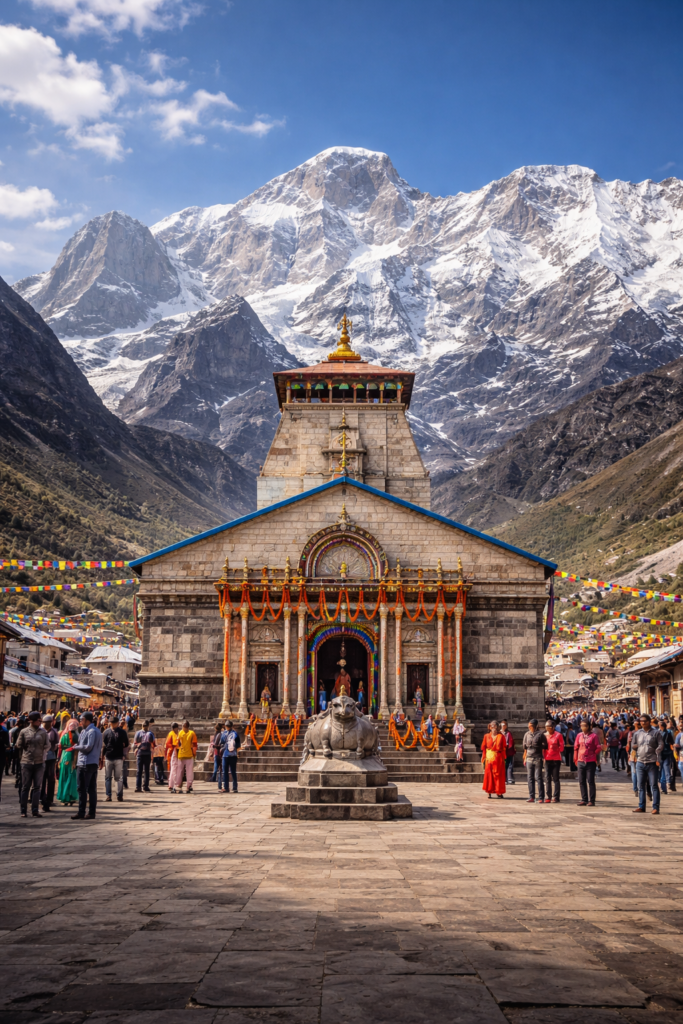
  • เค•เฅ‡เคฆเคพเคฐเคจเคพเคฅ เคฎเค‚เคฆเคฟเคฐ เคœเฅเคฏเฅ‹เคคเคฟเคฐเฅเคฒเคฟเค‚เค— เค‰เคคเฅเคคเคฐเคพเค–เค‚เคก

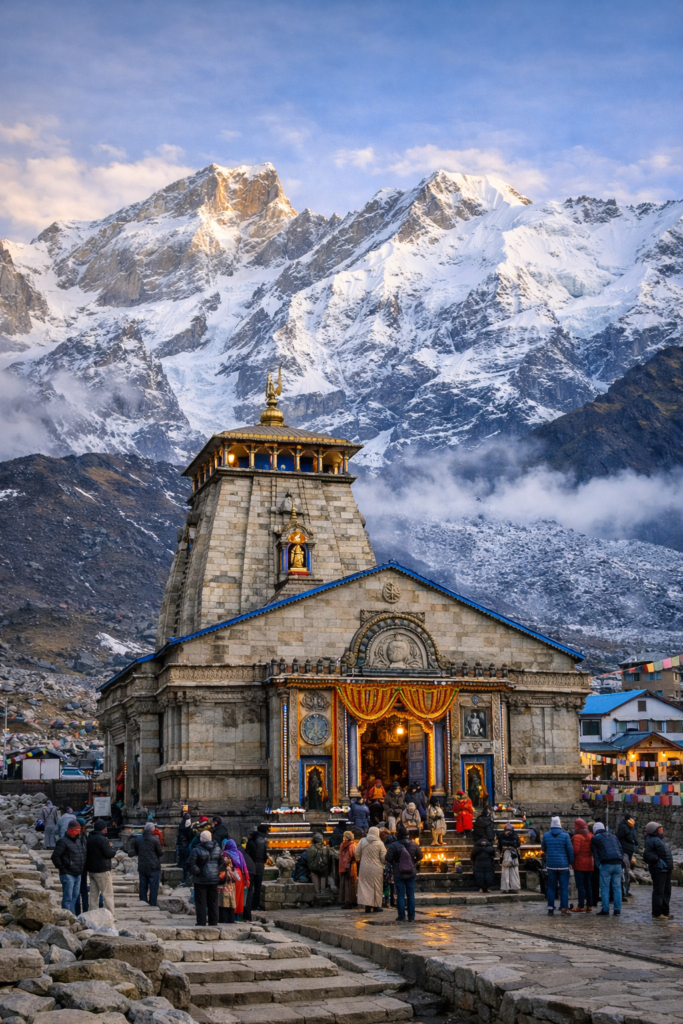
    เค•เฅ‡เคฆเคพเคฐเคจเคพเคฅ เคฎเค‚เคฆเคฟเคฐ เคญเคพเคฐเคค เค•เฅ‡ เคธเคฌเคธเฅ‡ เคชเคตเคฟเคคเฅเคฐ เค”เคฐ เคชเฅเคฐเคพเคšเฅ€เคจ เคคเฅ€เคฐเฅเคฅเคธเฅเคฅเคฒเฅ‹เค‚ เคฎเฅ‡เค‚ เคธเฅ‡ เคเค• เคนเฅˆเฅค เคฏเคน เคฎเค‚เคฆเคฟเคฐ เค‰เคคเฅเคคเคฐเคพเค–เค‚เคก เคฐเคพเคœเฅเคฏ เค•เฅ‡ เคฐเฅเคฆเฅเคฐเคชเฅเคฐเคฏเคพเค— เคœเคผเคฟเคฒเฅ‡ เคฎเฅ‡เค‚, เคนเคฟเคฎเคพเคฒเคฏ เค•เฅ€ เค—เฅ‹เคฆ เคฎเฅ‡เค‚ เคธเฅเคฅเคฟเคค เคนเฅˆเฅค เคธเคฎเฅเคฆเฅเคฐ เคคเคฒ เคธเฅ‡ เคฒเค—เคญเค— 3,583 เคฎเฅ€เคŸเคฐ (11,755 เคซเฅ€เคŸ) เค•เฅ€ เคŠเคเคšเคพเคˆ เคชเคฐ เคธเฅเคฅเคฟเคค เคฏเคน เคฎเค‚เคฆเคฟเคฐ เคญเค—เคตเคพเคจ เคถเคฟเคต เค•เฅ‹ เคธเคฎเคฐเฅเคชเคฟเคค เคนเฅˆเฅค เค•เฅ‡เคฆเคพเคฐเคจเคพเคฅ เคฎเค‚เคฆเคฟเคฐ เคšเคพเคฐเคงเคพเคฎ เคฏเคพเคคเฅเคฐเคพ เค•เคพ เคเค• เคฎเคนเคคเฅเคตเคชเฅ‚เคฐเฅเคฃ เคนเคฟเคธเฅเคธเคพ เคนเฅˆ เค”เคฐ เคฌเคพเคฐเคน เคœเฅเคฏเฅ‹เคคเคฟเคฐเฅเคฒเคฟเค‚เค—เฅ‹เค‚ เคฎเฅ‡เค‚ เคญเฅ€ เค‡เคธเค•เฅ€ เค—เคฃเคจเคพ เคนเฅ‹เคคเฅ€ เคนเฅˆเฅค เค…เคชเคจเฅ€ เค†เคงเฅเคฏเคพเคคเฅเคฎเคฟเค• เคฎเคนเคฟเคฎเคพ, เคชเฅเคฐเคพเค•เฅƒเคคเคฟเค• เคธเฅŒเค‚เคฆเคฐเฅเคฏ เค”เคฐ เค•เค เคฟเคจ เคฏเคพเคคเฅเคฐเคพ เคฎเคพเคฐเฅเค— เค•เฅ‡ เค•เคพเคฐเคฃ เคฏเคน เคฎเค‚เคฆเคฟเคฐ เคถเฅเคฐเคฆเฅเคงเคพเคฒเฅเค“เค‚ เค•เฅ‡ เคฒเคฟเค เคตเคฟเคถเฅ‡เคท เคฎเคนเคคเฅเคต เคฐเค–เคคเคพ เคนเฅˆเฅค

    เค•เฅ‡เคฆเคพเคฐเคจเคพเคฅ เคฎเค‚เคฆเคฟเคฐ เคœเฅเคฏเฅ‹เคคเคฟเคฐเฅเคฒเคฟเค‚เค—เฅค

    เค•เฅ‡เคฆเคพเคฐเคจเคพเคฅ เคฎเค‚เคฆเคฟเคฐ เค•เคพ เค‰เคฒเฅเคฒเฅ‡เค– เคชเฅเคฐเคพเคšเฅ€เคจ เคงเคพเคฐเฅเคฎเคฟเค• เค—เฅเคฐเค‚เคฅเฅ‹เค‚ เคฎเฅ‡เค‚ เคฎเคฟเคฒเคคเคพ เคนเฅˆเฅค เคฎเคพเคจเฅเคฏเคคเคพ เคนเฅˆ เค•เคฟ เคฎเคนเคพเคญเคพเคฐเคค เคฏเฅเคฆเฅเคง เค•เฅ‡ เคฌเคพเคฆ เคชเคพเค‚เคกเคต เค…เคชเคจเฅ‡ เคชเคพเคชเฅ‹เค‚ เค•เฅ‡ เคชเฅเคฐเคพเคฏเคถเฅเคšเคฟเคค เค•เฅ‡ เคฒเคฟเค เคญเค—เคตเคพเคจ เคถเคฟเคต เค•เฅ€ เค–เฅ‹เคœ เคฎเฅ‡เค‚ เคจเคฟเค•เคฒเฅ‡ เคฅเฅ‡เฅค เคญเค—เคตเคพเคจ เคถเคฟเคต เค‰เคจเคธเฅ‡ เคฌเคšเคจเฅ‡ เค•เฅ‡ เคฒเคฟเค เคฌเฅˆเคฒ เค•เคพ เคฐเฅ‚เคช เคงเคพเคฐเคฃ เค•เคฐ เคฏเคนเคพเค เคชเฅเคฐเค•เคŸ เคนเฅเค เค”เคฐ เค…เค‚เคคเคคเคƒ เค•เฅ‡เคฆเคพเคฐเคจเคพเคฅ เคฎเฅ‡เค‚ เคชเฅเคฐเค•เคŸ เคนเฅ‹เค•เคฐ เคชเคพเค‚เคกเคตเฅ‹เค‚ เค•เฅ‹ เคฆเคฐเฅเคถเคจ เคฆเคฟเคเฅค เค•เคนเคพ เคœเคพเคคเคพ เคนเฅˆ เค•เคฟ เคถเคฟเคต เค•เฅ‡ เคถเคฐเฅ€เคฐ เค•เฅ‡ เคตเคฟเคญเคฟเคจเฅเคจ เคญเคพเค— เค…เคฒเค—-เค…เคฒเค— เคธเฅเคฅเคพเคจเฅ‹เค‚ เคชเคฐ เคชเฅเคฐเค•เคŸ เคนเฅเค, เคœเคฟเคจเฅเคนเฅ‡เค‚ เคชเค‚เคš เค•เฅ‡เคฆเคพเคฐ เค•เคนเคพ เคœเคพเคคเคพ เคนเฅˆเฅค เค•เฅ‡เคฆเคพเคฐเคจเคพเคฅ เคฎเฅ‡เค‚ เคญเค—เคตเคพเคจ เคถเคฟเคต เค•เฅ€ เคชเฅ€เค  เค•เฅ€ เคชเฅ‚เคœเคพ เคนเฅ‹เคคเฅ€ เคนเฅˆเฅค

    เค‡เคธ เคฎเค‚เคฆเคฟเคฐ เค•เคพ เคจเคฟเคฐเฅเคฎเคพเคฃ เค†เคฆเคฟ เคถเค‚เค•เคฐเคพเคšเคพเคฐเฅเคฏ เคธเฅ‡ เคœเฅเคกเคผเคพ เคนเฅเค† เคฎเคพเคจเคพ เคœเคพเคคเคพ เคนเฅˆเฅค เค‰เคจเฅเคนเฅ‹เค‚เคจเฅ‡ 8เคตเฅ€เค‚ เคถเคคเคพเคฌเฅเคฆเฅ€ เคฎเฅ‡เค‚ เค‡เคธ เคฎเค‚เคฆเคฟเคฐ เค•เคพ เคœเฅ€เคฐเฅเคฃเฅ‹เคฆเฅเคงเคพเคฐ เค•เคฐเคพเคฏเคพ เค”เคฐ เค‡เคธเค•เฅ‡ เค†เคธเคชเคพเคธ เคงเคพเคฐเฅเคฎเคฟเค• เคชเคฐเค‚เคชเคฐเคพเค“เค‚ เค•เฅ‹ เคธเฅเคฆเฅƒเคขเคผ เค•เคฟเคฏเคพเฅค เค•เฅ‡เคฆเคพเคฐเคจเคพเคฅ เคฎเค‚เคฆเคฟเคฐ เคตเคฟเคถเคพเคฒ เคชเคคเฅเคฅเคฐเฅ‹เค‚ เคธเฅ‡ เคจเคฟเคฐเฅเคฎเคฟเคค เคนเฅˆ เค”เคฐ เค‡เคธเค•เฅ€ เคตเคพเคธเฅเคคเฅเค•เคฒเคพ เค…เคคเฅเคฏเค‚เคค เค…เคฆเฅเคญเฅเคค เคนเฅˆเฅค เคญเคพเคฐเฅ€ เคชเคคเฅเคฅเคฐเฅ‹เค‚ เค•เฅ‹ เคฌเคฟเคจเคพ เค•เคฟเคธเฅ€ เคœเฅ‹เคกเคผเคจเฅ‡ เคตเคพเคฒเฅ‡ เคชเคฆเคพเคฐเฅเคฅ เค•เฅ‡ เคเค•-เคฆเฅ‚เคธเคฐเฅ‡ เคชเคฐ เคธเฅเคฅเคพเคชเคฟเคค เค•เคฟเคฏเคพ เค—เคฏเคพ เคนเฅˆ, เคœเฅ‹ เค‰เคธ เคธเคฎเคฏ เค•เฅ€ เค‰เคจเฅเคจเคค เคจเคฟเคฐเฅเคฎเคพเคฃ เคคเค•เคจเฅ€เค• เค•เฅ‹ เคฆเคฐเฅเคถเคพเคคเคพ เคนเฅˆเฅค เคฎเค‚เคฆเคฟเคฐ เค•เคพ เค—เคฐเฅเคญเค—เฅƒเคน เค…เคคเฅเคฏเค‚เคค เคชเคตเคฟเคคเฅเคฐ เคฎเคพเคจเคพ เคœเคพเคคเคพ เคนเฅˆ, เคœเคนเคพเค เคถเค‚เค•เฅเคตเคพเค•เคพเคฐ เคถเคฟเคตเคฒเคฟเค‚เค— เคธเฅเคฅเคพเคชเคฟเคค เคนเฅˆเฅค

    เค•เฅ‡เคฆเคพเคฐเคจเคพเคฅ เคฎเค‚เคฆเคฟเคฐ เค•เฅ‡ เคšเคพเคฐเฅ‹เค‚ เค“เคฐ เคฌเคฐเฅเคซ เคธเฅ‡ เคขเค•เฅ‡ เคชเคนเคพเคกเคผ, เคนเคฐเฅ‡-เคญเคฐเฅ‡ เคฎเฅˆเคฆเคพเคจ เค”เคฐ เคฎเค‚เคฆเคพเค•เคฟเคจเฅ€ เคจเคฆเฅ€ เค•เคพ เคชเฅเคฐเคตเคพเคน เค‡เคธเค•เฅ€ เคธเฅเค‚เคฆเคฐเคคเคพ เค•เฅ‹ เค”เคฐ เคฌเคขเคผเคพ เคฆเฅ‡เคคเคพ เคนเฅˆเฅค เคฏเคนเคพเค เค•เคพ เคตเคพเคคเคพเคตเคฐเคฃ เค…เคคเฅเคฏเค‚เคค เคถเคพเค‚เคค เค”เคฐ เค†เคงเฅเคฏเคพเคคเฅเคฎเคฟเค• เคนเฅ‹เคคเคพ เคนเฅˆเฅค เคถเฅเคฐเคฆเฅเคงเคพเคฒเฅ เค•เค เคฟเคจ เคฏเคพเคคเฅเคฐเคพ เค•เคฐเค•เฅ‡ เคฏเคนเคพเค เคชเคนเฅเคเคšเคคเฅ‡ เคนเฅˆเค‚, เคœเคฟเคธเคธเฅ‡ เค‰เคจเค•เฅ€ เค†เคธเฅเคฅเคพ เค”เคฐ เคญเฅ€ เคชเฅเคฐเคฌเคฒ เคนเฅ‹ เคœเคพเคคเฅ€ เคนเฅˆเฅค เค•เฅ‡เคฆเคพเคฐเคจเคพเคฅ เค•เฅ€ เคฏเคพเคคเฅเคฐเคพ เค—เฅŒเคฐเฅ€เค•เฅเค‚เคก เคธเฅ‡ เคฒเค—เคญเค— 16 เค•เคฟเคฒเฅ‹เคฎเฅ€เคŸเคฐ เค•เฅ€ เคชเฅˆเคฆเคฒ เคšเคขเคผเคพเคˆ เคธเฅ‡ เคถเฅเคฐเฅ‚ เคนเฅ‹เคคเฅ€ เคนเฅˆเฅค เค†เคœเค•เคฒ เค˜เฅ‹เคกเคผเฅ‡, เคชเคพเคฒเค•เฅ€ เค”เคฐ เคนเฅ‡เคฒเฅ€เค•เฅ‰เคชเฅเคŸเคฐ เค•เฅ€ เคธเฅเคตเคฟเคงเคพ เคญเฅ€ เค‰เคชเคฒเคฌเฅเคง เคนเฅˆ, เคœเคฟเคธเคธเฅ‡ เคฌเฅเคœเฅเคฐเฅเค— เค”เคฐ เค…เคธเคฎเคฐเฅเคฅ เคฒเฅ‹เค— เคญเฅ€ เคฆเคฐเฅเคถเคจ เค•เคฐ เคธเค•เคคเฅ‡ เคนเฅˆเค‚เฅค

    เค•เฅ‡เคฆเคพเคฐเคจเคพเคฅ เคฎเค‚เคฆเคฟเคฐ เคตเคฐเฅเคท เคฎเฅ‡เค‚ เค•เฅ‡เคตเคฒ เค•เฅเค› เคฎเคนเฅ€เคจเฅ‹เค‚ เค•เฅ‡ เคฒเคฟเค เคนเฅ€ เค–เฅเคฒเคพ เคฐเคนเคคเคพ เคนเฅˆเฅค เคถเฅ€เคค เค‹เคคเฅ เคฎเฅ‡เค‚ เคญเคพเคฐเฅ€ เคนเคฟเคฎเคชเคพเคค เค•เฅ‡ เค•เคพเคฐเคฃ เคฎเค‚เคฆเคฟเคฐ เค•เฅ‡ เค•เคชเคพเคŸ เคฌเค‚เคฆ เค•เคฐ เคฆเคฟเค เคœเคพเคคเฅ‡ เคนเฅˆเค‚ เค”เคฐ เคญเค—เคตเคพเคจ เคถเคฟเคต เค•เฅ€ เคฎเฅ‚เคฐเฅเคคเคฟ เค•เฅ‹ เคŠเค–เฅ€เคฎเค  เคธเฅเคฅเคพเคจเคพเค‚เคคเคฐเคฟเคค เค•เคฐ เคฆเคฟเคฏเคพ เคœเคพเคคเคพ เคนเฅˆเฅค เค…เค•เฅเคทเคฏ เคคเฅƒเคคเฅ€เคฏเคพ เค•เฅ‡ เคถเฅเคญ เค…เคตเคธเคฐ เคชเคฐ เคฎเค‚เคฆเคฟเคฐ เค•เฅ‡ เค•เคชเคพเคŸ เค–เฅ‹เคฒเฅ‡ เคœเคพเคคเฅ‡ เคนเฅˆเค‚ เค”เคฐ เคฆเฅ€เคชเคพเคตเคฒเฅ€ เค•เฅ‡ เค†เคธเคชเคพเคธ เค‰เคจเฅเคนเฅ‡เค‚ เคฌเค‚เคฆ เค•เคฟเคฏเคพ เคœเคพเคคเคพ เคนเฅˆเฅค เค‡เคธ เค…เคตเคงเคฟ เคฎเฅ‡เค‚ เคฆเฅ‡เคถ-เคตเคฟเคฆเฅ‡เคถ เคธเฅ‡ เคฒเคพเค–เฅ‹เค‚ เคถเฅเคฐเคฆเฅเคงเคพเคฒเฅ เคฏเคนเคพเค เคฆเคฐเฅเคถเคจ เค•เฅ‡ เคฒเคฟเค เค†เคคเฅ‡ เคนเฅˆเค‚เฅค

    2013 เคฎเฅ‡เค‚ เค†เคˆ เคญเฅ€เคทเคฃ เคชเฅเคฐเคพเค•เฅƒเคคเคฟเค• เค†เคชเคฆเคพ เคจเฅ‡ เค•เฅ‡เคฆเคพเคฐเคจเคพเคฅ เค•เฅเคทเฅ‡เคคเฅเคฐ เค•เฅ‹ เค—เคนเคฐเฅ€ เค•เฅเคทเคคเคฟ เคชเคนเฅเคเคšเคพเคˆ เคฅเฅ€เฅค เคญเคพเคฐเฅ€ เคตเคฐเฅเคทเคพ เค”เคฐ เคฌเคพเคขเคผ เค•เฅ‡ เค•เคพเคฐเคฃ เคฎเค‚เคฆเคฟเคฐ เค•เฅ‡ เค†เคธเคชเคพเคธ เค•เคพ เค•เฅเคทเฅ‡เคคเฅเคฐ เค…เคคเฅเคฏเค‚เคค เคชเฅเคฐเคญเคพเคตเคฟเคค เคนเฅเค†, เคชเคฐเค‚เคคเฅ เค•เฅ‡เคฆเคพเคฐเคจเคพเคฅ เคฎเค‚เคฆเคฟเคฐ เคธเฅเคตเคฏเค‚ เคฒเค—เคญเค— เคธเฅเคฐเค•เฅเคทเคฟเคค เคฐเคนเคพเฅค เค‡เคธเฅ‡ เคญเค—เคตเคพเคจ เคถเคฟเคต เค•เฅ€ เค•เฅƒเคชเคพ เค”เคฐ เคฎเค‚เคฆเคฟเคฐ เค•เฅ€ เคฆเฅƒเคขเคผ เคธเค‚เคฐเคšเคจเคพ เค•เคพ เคšเคฎเคคเฅเค•เคพเคฐ เคฎเคพเคจเคพ เค—เคฏเคพเฅค เค‡เคธเค•เฅ‡ เคฌเคพเคฆ เคธเคฐเค•เคพเคฐ เค”เคฐ เคธเคฎเคพเคœ เค•เฅ‡ เคธเคนเคฏเฅ‹เค— เคธเฅ‡ เคฎเค‚เคฆเคฟเคฐ เค”เคฐ เค†เคธเคชเคพเคธ เค•เฅ‡ เค•เฅเคทเฅ‡เคคเฅเคฐ เค•เคพ เคชเฅเคจเคฐเฅเคจเคฟเคฐเฅเคฎเคพเคฃ เค•เคฟเคฏเคพ เค—เคฏเคพ, เคœเคฟเคธเคธเฅ‡ เค†เคœ เคฏเคน เคธเฅเคฅเคฒ เคชเคนเคฒเฅ‡ เคธเฅ‡ เค…เคงเคฟเค• เคตเฅเคฏเคตเคธเฅเคฅเคฟเคค เค”เคฐ เคธเฅเคฐเค•เฅเคทเคฟเคค เคฌเคจ เค—เคฏเคพ เคนเฅˆเฅค

    เค•เฅ‡เคฆเคพเคฐเคจเคพเคฅ เคฎเค‚เคฆเคฟเคฐ เค•เฅ‡เคตเคฒ เคเค• เคงเคพเคฐเฅเคฎเคฟเค• เคธเฅเคฅเคฒ เคนเฅ€ เคจเคนเฅ€เค‚, เคฌเคฒเฅเค•เคฟ เค†เคธเฅเคฅเคพ, เคตเคฟเคถเฅเคตเคพเคธ เค”เคฐ เคงเฅˆเคฐเฅเคฏ เค•เคพ เคชเฅเคฐเคคเฅ€เค• เคนเฅˆเฅค เคฏเคนเคพเค เค•เฅ€ เคฏเคพเคคเฅเคฐเคพ เคตเฅเคฏเค•เฅเคคเคฟ เค•เฅ‹ เค†เคคเฅเคฎเคšเคฟเค‚เคคเคจ เค”เคฐ เค†เคคเฅเคฎเคถเฅเคฆเฅเคงเคฟ เค•เคพ เค…เคตเคธเคฐ เคชเฅเคฐเคฆเคพเคจ เค•เคฐเคคเฅ€ เคนเฅˆเฅค เคนเคฟเคฎเคพเคฒเคฏ เค•เฅ€ เคถเคพเค‚เคคเคฟ, เคถเคฟเคต เคญเค•เฅเคคเคฟ เค•เฅ€ เค—เคนเคฐเคพเคˆ เค”เคฐ เคชเฅเคฐเค•เฅƒเคคเคฟ เค•เฅ€ เค…เคฆเฅเคญเฅเคค เค›เคŸเคพโ€”เคฏเฅ‡ เคธเคญเฅ€ เคฎเคฟเคฒเค•เคฐ เค•เฅ‡เคฆเคพเคฐเคจเคพเคฅ เค•เฅ‹ เคเค• เค…เคฒเฅŒเค•เคฟเค• เค…เคจเฅเคญเคต เคฌเคจเคพเคคเฅ‡ เคนเฅˆเค‚เฅค เคฏเคนเฅ€ เค•เคพเคฐเคฃ เคนเฅˆ เค•เคฟ เค•เฅ‡เคฆเคพเคฐเคจเคพเคฅ เคฎเค‚เคฆเคฟเคฐ เคญเคพเคฐเคคเฅ€เคฏ เคธเค‚เคธเฅเค•เฅƒเคคเคฟ เค”เคฐ เคธเคจเคพเคคเคจ เคชเคฐเค‚เคชเคฐเคพ เคฎเฅ‡เค‚ เคเค• เคตเคฟเคถเฅ‡เคท เคธเฅเคฅเคพเคจ เคฐเค–เคคเคพ เคนเฅˆ เค”เคฐ เค†เคจเฅ‡ เคตเคพเคฒเฅ€ เคชเฅ€เคขเคผเคฟเคฏเฅ‹เค‚ เค•เฅ‡ เคฒเคฟเค เคญเฅ€ เคถเฅเคฐเคฆเฅเคงเคพ เค•เคพ เค•เฅ‡เค‚เคฆเฅเคฐ เคฌเคจเคพ เคฐเคนเฅ‡เค—เคพเฅค

  • Delhi – The City Capital of India

    Delhi, the capital of India, is one of the worldโ€™s oldest continuously inhabited cities and a place where history and modernity exist side by side. Situated on the banks of the Yamuna River in northern India, Delhi has been a center of political power, culture, trade, and learning for centuries. Its unique character comes from the many empires, dynasties, and communities that have shaped it over time. Today, Delhi stands as a vibrant metropolis, reflecting Indiaโ€™s rich past while driving its future.

    Historically, Delhi has held immense significance. It is often said that the city has been built and rebuilt several times, with at least seven major historical cities forming what is now known as Delhi. Ancient texts associate the region with Indraprastha, the capital of the Pandavas in the epic Mahabharata. Over the centuries, Delhi became the seat of power for many rulers, including the Delhi Sultanate, the Mughal Empire, and later the British. Each period left behind remarkable monuments that still define the cityโ€™s landscape. Structures such as the Qutub Minar, Red Fort, Humayunโ€™s Tomb, and Jama Masjid are not just architectural masterpieces but also symbols of Delhiโ€™s layered history.

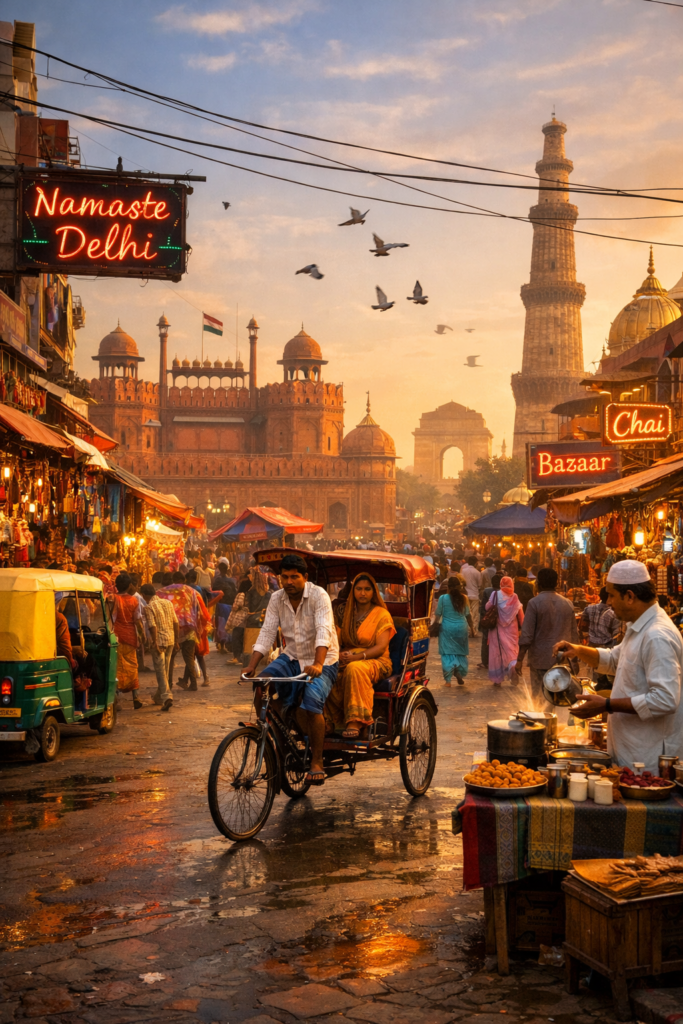
    Delhi Street

    The Mughal era, in particular, had a lasting impact on Delhiโ€™s culture, architecture, and lifestyle. Shahjahanabad, built by Emperor Shah Jahan, became the heart of Old Delhi and remains a bustling area even today. Narrow lanes, historic havelis, and traditional markets like Chandni Chowk offer a glimpse into the cityโ€™s past. Mughal influence is also evident in Delhiโ€™s cuisine, language, and art, blending Persian, Central Asian, and Indian traditions into a unique cultural identity.

    British rule marked another turning point in Delhiโ€™s history. In 1911, the British shifted Indiaโ€™s capital from Calcutta to Delhi and began constructing New Delhi as a grand imperial city. Designed by architects Edwin Lutyens and Herbert Baker, New Delhi introduced wide boulevards, spacious gardens, and imposing government buildings. Landmarks such as Rashtrapati Bhavan, India Gate, and Parliament House reflect colonial architectural styles combined with Indian elements. When India gained independence in 1947, Delhi became the capital of a free nation and a symbol of democratic governance.

    Culturally, Delhi is one of the most diverse cities in India. People from all states and regions have migrated here over the years, making it a true melting pot of languages, traditions, and lifestyles. Hindi and English are widely spoken, but Punjabi, Urdu, Bengali, Tamil, and many other languages can be heard across the city. Festivals such as Diwali, Eid, Christmas, Gurpurab, and Holi are celebrated with great enthusiasm, reflecting the cityโ€™s pluralistic spirit. This diversity is also visible in Delhiโ€™s art, music, theater, and literature, which continue to thrive in both traditional and contemporary forms.

    Delhiโ€™s food culture is another major attraction. From street food to fine dining, the city offers an extraordinary range of flavors. Old Delhi is famous for its chaat, parathas, kebabs, and sweets, while areas like Connaught Place and South Delhi showcase global cuisines and modern culinary trends. Mughlai dishes, Punjabi flavors, and regional Indian foods coexist with international options, making Delhi a paradise for food lovers.

    Economically, Delhi plays a crucial role in Indiaโ€™s growth. As the national capital, it is a hub for government services, diplomacy, education, and media. The city is home to numerous universities, research institutions, and think tanks, including Delhi University, Jawaharlal Nehru University, and several prestigious schools and colleges. Delhi is also an important center for commerce, information technology, real estate, and tourism. Its strategic location and extensive infrastructure contribute to its economic importance.

    Modern Delhi is a city of contrasts. Skyscrapers, metro lines, shopping malls, and business districts exist alongside ancient monuments and traditional neighborhoods. The Delhi Metro has transformed urban mobility, connecting distant parts of the city and reducing travel time. At the same time, Delhi faces significant challenges, including air pollution, traffic congestion, population pressure, and social inequality. Addressing these issues is essential for the cityโ€™s sustainable development and the well-being of its residents.

    Despite these challenges, Delhi continues to evolve and adapt. Its resilience lies in its ability to absorb change while preserving its identity. The cityโ€™s parks, cultural institutions, museums, and heritage sites offer spaces for reflection and learning. Places like Lodhi Gardens, National Museum, and India Habitat Centre highlight Delhiโ€™s efforts to balance urban life with cultural preservation.

    In conclusion, Delhi is more than just a capital city; it is a living chronicle of Indiaโ€™s history, culture, and aspirations. From ancient legends to modern governance, from crowded bazaars to grand avenues, Delhi captures the essence of India in all its complexity. Its past gives it depth, its diversity gives it energy, and its future holds immense promise. As a city that has witnessed the rise and fall of empires and continues to reinvent itself, Delhi remains a powerful symbol of continuity, change, and the enduring spirit of India.

  • Agra – The Most Engaging City Of India


    Agra โ€“ The City of Timeless Beauty

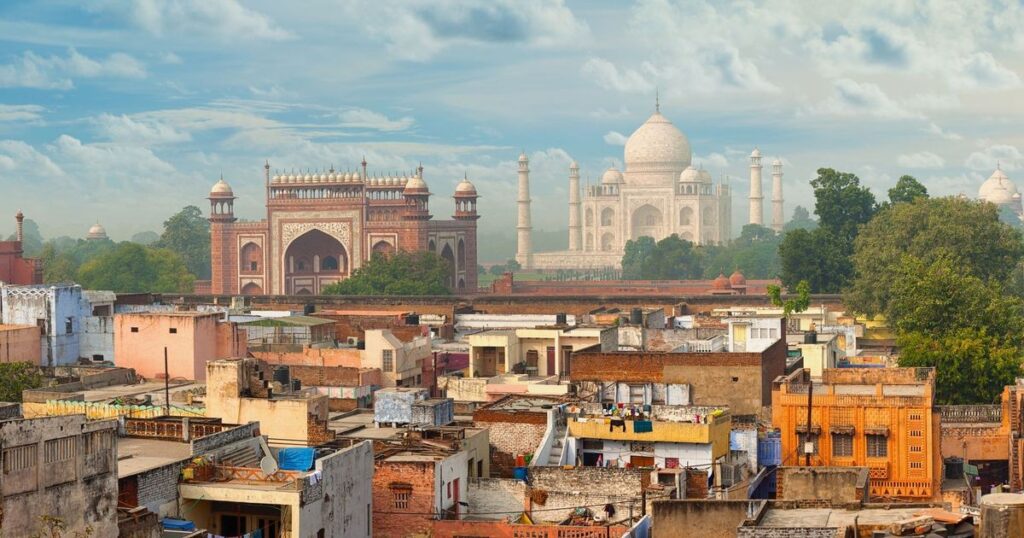
    Agra is one of the most famous cities of India, known all over the world for its rich history, magnificent monuments, and cultural heritage. Located on the banks of the Yamuna River in the northern Indian state of Uttar Pradesh, Agra attracts millions of tourists every year. The city holds a special place in Indian history because it was a major center of the Mughal Empire. Agra is best known as the home of the Taj Mahal, one of the Seven Wonders of the World, which symbolizes love and architectural excellence.

    The Taj Mahal

    Historical Background of Agra

    The history of Agra dates back to ancient times, but it gained prominence during the Mughal period. Before the Mughals, Agra was ruled by various Rajput kings. In 1526, Babur, the founder of the Mughal Empire, defeated Ibrahim Lodi in the First Battle of Panipat and made Agra an important city of his empire. Later, Emperor Akbar established Agra as his capital in 1556. Under Akbar, Jahangir, and Shah Jahan, the city reached the height of its glory.

    During the Mughal era, Agra became a center of art, culture, architecture, and administration. Many grand buildings, forts, mosques, and gardens were constructed during this time, which still stand as reminders of the cityโ€™s glorious past.

    The Taj Mahal โ€“ Pride of Agra

    The Taj Mahal is the most famous monument in Agra and one of the most beautiful structures in the world. It was built by Mughal Emperor Shah Jahan in memory of his beloved wife Mumtaz Mahal. Construction began in 1632 and took around 20 years to complete. Made of white marble, the Taj Mahal changes its color with the light of the day, appearing pinkish in the morning, bright white at noon, and golden under moonlight.

    The Taj Mahal is admired for its perfect symmetry, intricate carvings, calligraphy, and precious stone inlay work. The monument stands as a symbol of eternal love and is a masterpiece of Mughal architecture. Because of its beauty and historical importance, the Taj Mahal is recognized as a UNESCO World Heritage Site.

    Agra Fort โ€“ A Symbol of Power

    Another important monument in Agra is the Agra Fort, also known as the Red Fort of Agra. Built mainly by Emperor Akbar in the 16th century, the fort is made of red sandstone and served as the main residence of the Mughal emperors for many years. The fort is a massive structure with high walls, grand gates, palaces, mosques, and audience halls.

    Important buildings inside the fort include Jahangir Mahal, Diwan-i-Aam, Diwan-i-Khas, and Musamman Burj. From this tower, Shah Jahan spent his last years imprisoned by his son Aurangzeb, gazing at the Taj Mahal from afar. Agra Fort is also a UNESCO World Heritage Site and reflects the political and military strength of the Mughal Empire.

    Other Famous Monuments

    Apart from the Taj Mahal and Agra Fort, the city has many other historical and architectural attractions. Fatehpur Sikri, located about 40 kilometers from Agra, was once the capital of Emperor Akbar. The city is famous for Buland Darwaza, Jama Masjid, Panch Mahal, and the Tomb of Salim Chishti.

    The Tomb of Itimad-ud-Daulah, often called the โ€œBaby Taj,โ€ is another beautiful monument. It is considered a precursor to the Taj Mahal and is known for its delicate marble work. Mehtab Bagh, a garden complex across the Yamuna River, offers a stunning view of the Taj Mahal, especially during sunset.

    Culture and Traditions of Agra

    Agra has a rich cultural heritage influenced by Mughal traditions. The city is known for its classical music, poetry, and art. Festivals like Diwali, Eid, Holi, and Taj Mahotsav are celebrated with great enthusiasm. Taj Mahotsav is an annual cultural festival that showcases Indiaโ€™s handicrafts, music, dance, and cuisine.

    The people of Agra are known for their hospitality and warm nature. The city reflects a blend of Hindu and Muslim cultures, which can be seen in its festivals, architecture, and daily life.

    Art, Handicrafts, and Cuisine

    Agra is famous for its marble inlay work, leather goods, carpets, and handicrafts. Skilled artisans create beautiful decorative items inspired by Mughal designs. Marble souvenirs with semi-precious stone work are especially popular among tourists.

    Agraโ€™s cuisine is equally famous. The city is well known for its sweet dish, Petha, made from ash gourd. Other popular foods include Mughlai dishes such as biryani, kebabs, korma, and naan. Street food like chaat, bedai, and jalebi is also widely enjoyed by locals and visitors.

    Education and Modern Development

    Agra is not only a historical city but also an important center of education and modern development. It has several schools, colleges, and universities, including Dr. Bhimrao Ambedkar University. The city has developed infrastructure, industries, and tourism-related businesses, which contribute significantly to the local economy.

    However, rapid urbanization and pollution pose challenges to the preservation of Agraโ€™s monuments. Special measures are being taken by the government to protect the Taj Mahal from environmental damage, including restrictions on industrial activity near the monument.

    Conclusion

    Agra is a city where history comes alive through its magnificent monuments, rich culture, and timeless beauty. From the world-famous Taj Mahal to the grand Agra Fort and the silent ruins of Fatehpur Sikri, the city offers a deep insight into Indiaโ€™s glorious past. Agra perfectly blends tradition with modern life, making it an important cultural and tourist destination of India. Visiting Agra is not just a journey to a city, but a journey through time, love, and architectural brilliance that leaves a lasting impression on every visitor.


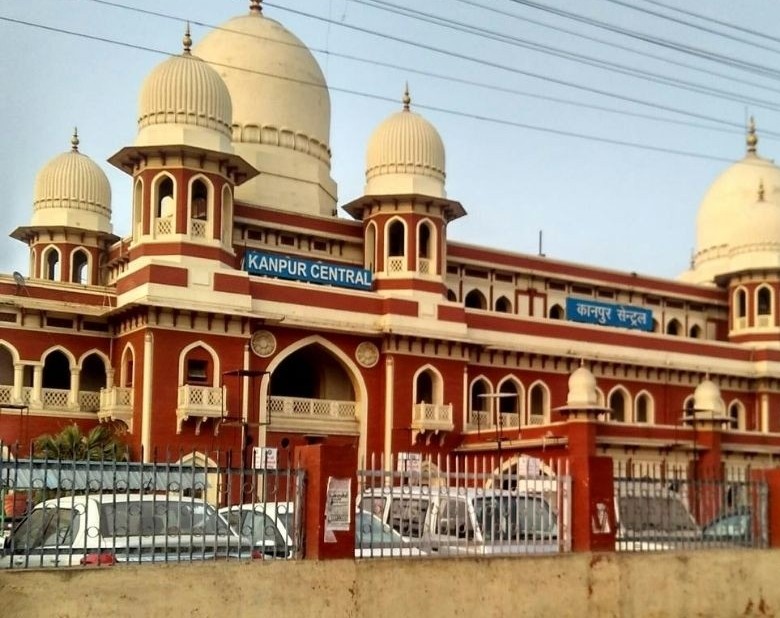
  • เค•เคพเคจเคชเฅเคฐ เค”เคฆเฅเคฏเฅ‹เค—เคฟเค• เคจเค—เคฐ เคนเคฟเค‚เคฆเฅ€ เคฎเฅ‡เค‚

    เค•เคพเคจเคชเฅเคฐ เค‰เคคเฅเคคเคฐ เคชเฅเคฐเคฆเฅ‡เคถ เค•เคพ เคเค• เคชเฅเคฐเคฎเฅเค– เค”เคฆเฅเคฏเฅ‹เค—เคฟเค•, เคเคคเคฟเคนเคพเคธเคฟเค• เค”เคฐ เคธเคพเค‚เคธเฅเค•เฅƒเคคเคฟเค• เคจเค—เคฐ เคนเฅˆเฅค เคฏเคน เคถเคนเคฐ เค—เค‚เค—เคพ เคจเคฆเฅ€ เค•เฅ‡ เคคเคŸ เคชเคฐ เคธเฅเคฅเคฟเคค เคนเฅˆ เค”เคฐ เคฒเค‚เคฌเฅ‡ เคธเคฎเคฏ เคคเค• เค‰เคคเฅเคคเคฐ เคญเคพเคฐเคค เค•เฅ€ เค”เคฆเฅเคฏเฅ‹เค—เคฟเค• เคฐเคพเคœเคงเคพเคจเฅ€ เค•เฅ‡ เคฐเฅ‚เคช เคฎเฅ‡เค‚ เคœเคพเคจเคพ เคœเคพเคคเคพ เคฐเคนเคพ เคนเฅˆเฅค เค…เคชเคจเฅ‡ เคธเคฎเฅƒเคฆเฅเคง เค‡เคคเคฟเคนเคพเคธ, เค‰เคฆเฅเคฏเฅ‹เค—เฅ‹เค‚, เคถเคฟเค•เฅเคทเคพ เคธเค‚เคธเฅเคฅเคพเคจเฅ‹เค‚ เค”เคฐ เคตเคฟเคถเคฟเคทเฅเคŸ เคธเค‚เคธเฅเค•เฅƒเคคเคฟ เค•เฅ‡ เค•เคพเคฐเคฃ เค•เคพเคจเคชเฅเคฐ เค•เคพ เค‰เคคเฅเคคเคฐ เคชเฅเคฐเคฆเฅ‡เคถ เคฎเฅ‡เค‚ เคตเคฟเคถเฅ‡เคท เคธเฅเคฅเคพเคจ เคนเฅˆเฅค

    เค•เคพเคจเคชเฅเคฐ เค•เคพ เคชเฅเคฐเคพเคšเฅ€เคจ เคจเคพเคฎ โ€œเค•เคพเคจเฅเคฏเคชเฅเคฐโ€ เคฎเคพเคจเคพ เคœเคพเคคเคพ เคนเฅˆ, เคœเฅ‹ เคธเคฎเคฏ เค•เฅ‡ เคธเคพเคฅ เคฌเคฆเคฒเค•เคฐ เค•เคพเคจเคชเฅเคฐ เคนเฅ‹ เค—เคฏเคพเฅค เค‡เคคเคฟเคนเคพเคธ เคฎเฅ‡เค‚ เคฏเคน เค•เฅเคทเฅ‡เคคเฅเคฐ เค•เคˆ เคฐเคพเคœเคตเค‚เคถเฅ‹เค‚ เค•เฅ‡ เค…เคงเฅ€เคจ เคฐเคนเคพเฅค เคฎเฅเค—เคฒ เค•เคพเคฒ เคฎเฅ‡เค‚ เคฏเคน เคเค• เค›เฅ‹เคŸเคพ-เคธเคพ เค•เคธเฅเคฌเคพ เคฅเคพ, เคฒเฅ‡เค•เคฟเคจ เคฌเฅเคฐเคฟเคŸเคฟเคถ เคถเคพเคธเคจ เค•เฅ‡ เคฆเฅŒเคฐเคพเคจ เค•เคพเคจเคชเฅเคฐ เคจเฅ‡ เคคเฅ‡เคœเคผเฅ€ เคธเฅ‡ เคตเคฟเค•เคพเคธ เค•เคฟเคฏเคพเฅค 1857 เค•เฅ€ เคชเฅเคฐเคฅเคฎ เคธเฅเคตเคคเค‚เคคเฅเคฐเคคเคพ เคธเค‚เค—เฅเคฐเคพเคฎ เคฎเฅ‡เค‚ เค•เคพเคจเคชเฅเคฐ เค•เฅ€ เคฎเคนเคคเฅเคตเคชเฅ‚เคฐเฅเคฃ เคญเฅ‚เคฎเคฟเค•เคพ เคฐเคนเฅ€เฅค เคจเคพเคจเคพ เคธเคพเคนเฅ‡เคฌ, เคคเคพเคคเฅเคฏเคพ เคŸเฅ‹เคชเฅ‡ เค”เคฐ เค…เคœเคผเฅ€เคฎเฅเคฒเฅเคฒเคพ เค–เคพเค เคœเฅˆเคธเฅ‡ เคธเฅเคตเคคเค‚เคคเฅเคฐเคคเคพ เคธเฅ‡เคจเคพเคจเคฟเคฏเฅ‹เค‚ เคจเฅ‡ เคฏเคนเคพเค เค…เค‚เค—เฅเคฐเฅ‡เคœเคผเฅ‹เค‚ เค•เฅ‡ เค–เคฟเคฒเคพเคซเคผ เคธเค‚เค˜เคฐเฅเคท เค•เคฟเคฏเคพเฅค เคฌเคฟเค เฅ‚เคฐ เค”เคฐ เค•เคพเคจเคชเฅเคฐ เค•เฅ‡ เค†เคธเคชเคพเคธ เค•เฅ‡ เค•เฅเคทเฅ‡เคคเฅเคฐ เค†เคœ เคญเฅ€ เค‰เคธ เคธเค‚เค˜เคฐเฅเคท เค•เฅ€ เคฏเคพเคฆ เคฆเคฟเคฒเคพเคคเฅ‡ เคนเฅˆเค‚เฅค

    เค”เคฆเฅเคฏเฅ‹เค—เคฟเค• เคฆเฅƒเคทเฅเคŸเคฟ เคธเฅ‡ เค•เคพเคจเคชเฅเคฐ เค•เฅ‹ โ€œเคชเฅ‚เคฐเฅเคต เค•เคพ เคฎเฅˆเคจเคšเฅ‡เคธเฅเคŸเคฐโ€ เค•เคนเคพ เคœเคพเคคเคพ เคฅเคพเฅค เคฏเคนเคพเค เค•เคชเคกเคผเคพ เค‰เคฆเฅเคฏเฅ‹เค—, เคตเคฟเคถเฅ‡เคท เคฐเฅ‚เคช เคธเฅ‡ เคธเฅ‚เคคเฅ€ เคตเคธเฅเคคเฅเคฐเฅ‹เค‚ เค•เคพ เคฌเคกเคผเคพ เค•เฅ‡เค‚เคฆเฅเคฐ เคฐเคนเคพ เคนเฅˆเฅค เค‡เคธเค•เฅ‡ เค…เคฒเคพเคตเคพ เคšเคฎเคกเคผเคพ เค‰เคฆเฅเคฏเฅ‹เค— เค•เฅ‡ เคฒเคฟเค เคญเฅ€ เค•เคพเคจเคชเฅเคฐ เคชเฅ‚เคฐเฅ‡ เคฆเฅ‡เคถ เค”เคฐ เคตเคฟเคฆเฅ‡เคถ เคฎเฅ‡เค‚ เคชเฅเคฐเคธเคฟเคฆเฅเคง เคนเฅˆเฅค เคฏเคนเคพเค เคฌเคจเฅ‡ เคœเฅ‚เคคเฅ‡, เคฌเฅˆเค— เค”เคฐ เค…เคจเฅเคฏ เคšเคฎเคกเคผเฅ‡ เค•เฅ‡ เค‰เคคเฅเคชเคพเคฆ เค…เค‚เคคเคฐเคฐเคพเคทเฅเคŸเฅเคฐเฅ€เคฏ เคฌเคพเคœเคผเคพเคฐ เคฎเฅ‡เค‚ เคจเคฟเคฐเฅเคฏเคพเคค เคนเฅ‹เคคเฅ‡ เคนเฅˆเค‚เฅค เค‡เคธเค•เฅ‡ เคธเคพเคฅ เคนเฅ€ เค‰เคฐเฅเคตเคฐเค•, เคฐเคธเคพเคฏเคจ, เคชเฅเคฒเคพเคธเฅเคŸเคฟเค• เค”เคฐ เค‡เค‚เคœเฅ€เคจเคฟเคฏเคฐเคฟเค‚เค— เคธเฅ‡ เคœเฅเคกเคผเฅ‡ เค‰เคฆเฅเคฏเฅ‹เค— เคญเฅ€ เค•เคพเคจเคชเฅเคฐ เค•เฅ€ เค…เคฐเฅเคฅเคตเฅเคฏเคตเคธเฅเคฅเคพ เค•เฅ‹ เคฎเคœเคผเคฌเฅ‚เคคเฅ€ เคชเฅเคฐเคฆเคพเคจ เค•เคฐเคคเฅ‡ เคนเฅˆเค‚เฅค

    เคถเคฟเค•เฅเคทเคพ เค•เฅ‡ เค•เฅเคทเฅ‡เคคเฅเคฐ เคฎเฅ‡เค‚ เคญเฅ€ เค•เคพเคจเคชเฅเคฐ เค•เคพ เคจเคพเคฎ เคฌเคนเฅเคค เคธเคฎเฅเคฎเคพเคจ เคธเฅ‡ เคฒเคฟเคฏเคพ เคœเคพเคคเคพ เคนเฅˆเฅค เคฏเคนเคพเค เคธเฅเคฅเคฟเคค เคญเคพเคฐเคคเฅ€เคฏ เคชเฅเคฐเฅŒเคฆเฅเคฏเฅ‹เค—เคฟเค•เฅ€ เคธเค‚เคธเฅเคฅเคพเคจ (IIT) เค•เคพเคจเคชเฅเคฐ เคฆเฅ‡เคถ เค•เฅ‡ เคถเฅเคฐเฅ‡เคทเฅเค  เคคเค•เคจเฅ€เค•เฅ€ เคธเค‚เคธเฅเคฅเคพเคจเฅ‹เค‚ เคฎเฅ‡เค‚ เคธเฅ‡ เคเค• เคนเฅˆเฅค เค‡เคธเค•เฅ‡ เค…เคฒเคพเคตเคพ เค›เคคเฅเคฐเคชเคคเคฟ เคถเคพเคนเฅ‚ เคœเฅ€ เคฎเคนเคพเคฐเคพเคœ เคตเคฟเคถเฅเคตเคตเคฟเคฆเฅเคฏเคพเคฒเคฏ, เคนเคฐเค•เฅ‹เคฐเฅเคŸ เคฌเคŸเคฒเคฐ เคคเค•เคจเฅ€เค•เฅ€ เคตเคฟเคถเฅเคตเคตเคฟเคฆเฅเคฏเคพเคฒเคฏ (HBTU), เคฎเฅ‡เคกเคฟเค•เคฒ เค•เฅ‰เคฒเฅ‡เคœ เค”เคฐ เค•เคˆ เคชเฅเคฐเคคเคฟเคทเฅเค เคฟเคค เคตเคฟเคฆเฅเคฏเคพเคฒเคฏ เค•เคพเคจเคชเฅเคฐ เค•เฅ‹ เคเค• เคถเฅˆเค•เฅเคทเคฃเคฟเค• เค•เฅ‡เค‚เคฆเฅเคฐ เคฌเคจเคพเคคเฅ‡ เคนเฅˆเค‚เฅค เคฆเฅ‡เคถ-เคตเคฟเคฆเฅ‡เคถ เคธเฅ‡ เคตเคฟเคฆเฅเคฏเคพเคฐเฅเคฅเฅ€ เคฏเคนเคพเค เคชเคขเคผเคจเฅ‡ เค†เคคเฅ‡ เคนเฅˆเค‚, เคœเคฟเคธเคธเฅ‡ เคถเคนเคฐ เค•เคพ เคฌเฅŒเคฆเฅเคงเคฟเค• เคตเคพเคคเคพเคตเคฐเคฃ เคธเคฎเฅƒเคฆเฅเคง เคนเฅ‹เคคเคพ เคนเฅˆเฅค

    เค•เคพเคจเคชเฅเคฐ เคงเคพเคฐเฅเคฎเคฟเค• เค”เคฐ เคธเคพเค‚เคธเฅเค•เฅƒเคคเคฟเค• เคฆเฅƒเคทเฅเคŸเคฟ เคธเฅ‡ เคญเฅ€ เคฎเคนเคคเฅเคตเคชเฅ‚เคฐเฅเคฃ เคนเฅˆเฅค เคฌเคฟเค เฅ‚เคฐ, เคœเฅ‹ เค•เคพเคจเคชเฅเคฐ เค•เฅ‡ เคชเคพเคธ เคธเฅเคฅเคฟเคค เคนเฅˆ, เคนเคฟเค‚เคฆเฅ‚ เคงเคฐเฅเคฎ เคฎเฅ‡เค‚ เคตเคฟเคถเฅ‡เคท เคธเฅเคฅเคพเคจ เคฐเค–เคคเคพ เคนเฅˆเฅค เค‡เคธเฅ‡ เคญเค—เคตเคพเคจ เคฐเคพเคฎ เคธเฅ‡ เคœเฅเคกเคผเคพ เคนเฅเค† เคฎเคพเคจเคพ เคœเคพเคคเคพ เคนเฅˆ เค”เคฐ เคฏเคน เคจเคพเคจเคพ เคธเคพเคนเฅ‡เคฌ เค•เฅ€ เคœเคจเฅเคฎเคธเฅเคฅเคฒเฅ€ เคญเฅ€ เคนเฅˆเฅค เคฏเคนเคพเค เคธเฅเคฅเคฟเคค เคฌเฅเคฐเคนเฅเคฎเคพเคตเคฐเฅเคค เค˜เคพเคŸ, เคตเคพเคฒเฅเคฎเฅ€เค•เคฟ เค†เคถเฅเคฐเคฎ เค”เคฐ เค…เคจเฅเคฏ เคฎเค‚เคฆเคฟเคฐ เคถเฅเคฐเคฆเฅเคงเคพเคฒเฅเค“เค‚ เค•เฅ‹ เค†เค•เคฐเฅเคทเคฟเคค เค•เคฐเคคเฅ‡ เคนเฅˆเค‚เฅค เค•เคพเคจเคชเฅเคฐ เคถเคนเคฐ เคฎเฅ‡เค‚ เคœเฅˆเคจ เคฎเค‚เคฆเคฟเคฐ, เคฎเคธเฅเคœเคฟเคฆเฅ‡เค‚, เค—เฅเคฐเฅเคฆเฅเคตเคพเคฐเฅ‡ เค”เคฐ เคšเคฐเฅเคš เคญเฅ€ เคนเฅˆเค‚, เคœเฅ‹ เค‡เคธเค•เฅ€ เคธเคพเค‚เคชเฅเคฐเคฆเคพเคฏเคฟเค• เคธเฅŒเคนเคพเคฐเฅเคฆ เค•เฅ€ เคฎเคฟเคธเคพเคฒ เคนเฅˆเค‚เฅค

    เค—เค‚เค—เคพ เคจเคฆเฅ€ เค•เคพเคจเคชเฅเคฐ เค•เฅ‡ เคœเฅ€เคตเคจ เคฎเฅ‡เค‚ เคฎเคนเคคเฅเคตเคชเฅ‚เคฐเฅเคฃ เคญเฅ‚เคฎเคฟเค•เคพ เคจเคฟเคญเคพเคคเฅ€ เคนเฅˆเฅค เคฏเคน เคจ เค•เฅ‡เคตเคฒ เคœเคฒ เค•เคพ เคธเฅเคฐเฅ‹เคค เคนเฅˆ, เคฌเคฒเฅเค•เคฟ เคงเคพเคฐเฅเคฎเคฟเค• เค†เคธเฅเคฅเคพ เค•เคพ เคญเฅ€ เค•เฅ‡เค‚เคฆเฅเคฐ เคนเฅˆเฅค เค—เค‚เค—เคพ เคฌเฅˆเคฐเคพเคœ เค”เคฐ เคธเคฟเคธเคพเคฎเคŠ เคœเฅˆเคธเฅ‡ เค˜เคพเคŸ เคถเคนเคฐ เค•เฅ€ เคชเคนเคšเคพเคจ เคนเฅˆเค‚เฅค เคนเคพเคฒเคพเคเค•เคฟ เค”เคฆเฅเคฏเฅ‹เค—เฅ€เค•เคฐเคฃ เค•เฅ‡ เค•เคพเคฐเคฃ เค—เค‚เค—เคพ เคชเฅเคฐเคฆเฅ‚เคทเคฃ เค•เฅ€ เคธเคฎเคธเฅเคฏเคพ เคธเฅ‡ เคœเฅ‚เคเคคเฅ€ เคฐเคนเฅ€ เคนเฅˆ, เคฒเฅ‡เค•เคฟเคจ เคนเคพเคฒ เค•เฅ‡ เคตเคฐเฅเคทเฅ‹เค‚ เคฎเฅ‡เค‚ เค‡เคธเฅ‡ เคธเฅเคตเคšเฅเค› เคฌเคจเคพเคจเฅ‡ เค•เฅ‡ เคฒเคฟเค เค•เคˆ เคชเฅเคฐเคฏเคพเคธ เค•เคฟเค เค—เค เคนเฅˆเค‚เฅค

    เค•เคพเคจเคชเฅเคฐ เค•เฅ€ เคธเค‚เคธเฅเค•เฅƒเคคเคฟ เคฎเฅ‡เค‚ เคธเคพเคฆเค—เฅ€ เค”เคฐ เคœเฅ€เคตเค‚เคคเคคเคพ เค•เคพ เคธเฅเค‚เคฆเคฐ เคฎเคฟเคถเฅเคฐเคฃ เคฆเฅ‡เค–เคจเฅ‡ เค•เฅ‹ เคฎเคฟเคฒเคคเคพ เคนเฅˆเฅค เคฏเคนเคพเค เค•เฅ€ เคญเคพเคทเคพ เคฎเฅ‡เค‚ เค…เคตเคงเฅ€ เค”เคฐ เค–เคกเคผเฅ€ เคฌเฅ‹เคฒเฅ€ เค•เคพ เคชเฅเคฐเคญเคพเคต เคฆเคฟเค–เคพเคˆ เคฆเฅ‡เคคเคพ เคนเฅˆเฅค เค•เคพเคจเคชเฅเคฐเคฟเคฏเคพ เค…เค‚เคฆเคพเคœเคผ เค…เคชเคจเฅ‡ เค…เคฒเค— เคนเฅ€ เคฎเคœเคผเคพเค•เคฟเคฏเคพ เค”เคฐ เคฌเฅ‡เคฌเคพเค• เคธเฅเคตเคญเคพเคต เค•เฅ‡ เคฒเคฟเค เคชเฅเคฐเคธเคฟเคฆเฅเคง เคนเฅˆเฅค เคฏเคนเคพเค เค•เคพ เค–เคพเคจ-เคชเคพเคจ เคญเฅ€ เคฌเฅ‡เคนเคฆ เคฒเฅ‹เค•เคชเฅเคฐเคฟเคฏ เคนเฅˆเฅค เค เค—เฅเค—เฅ‚ เค•เฅ‡ เคฒเคกเฅเคกเฅ‚, เคฌเคฆเคจเคพเคฎ เค•เฅเคฒเฅเคซเฅ€, เคšเคพเคŸ, เคธเคฎเฅ‹เคธเคพ เค”เคฐ เค•เคฌเคพเคฌ เคฏเคนเคพเค เค•เฅ€ เค–เคพเคธ เคชเคนเคšเคพเคจ เคนเฅˆเค‚เฅค เค•เคพเคจเคชเฅเคฐ เค•เคพ เคฌเคพเคœเคผเคพเคฐ, เคœเฅˆเคธเฅ‡ เคจเคตเฅ€เคจ เคฎเคพเคฐเฅเค•เฅ‡เคŸ, เค†เคฐเฅเคฏ เคจเค—เคฐ เค”เคฐ เคœเคจเคฐเคฒเค—เค‚เคœ, เคนเคฎเฅ‡เคถเคพ เคšเคนเคฒ-เคชเคนเคฒ เคธเฅ‡ เคญเคฐเฅ‡ เคฐเคนเคคเฅ‡ เคนเฅˆเค‚เฅค

    เค†เคงเฅเคจเคฟเค• เค•เคพเคจเคชเฅเคฐ เคคเฅ‡เคœเฅ€ เคธเฅ‡ เคฌเคฆเคฒ เคฐเคนเคพ เคนเฅˆเฅค เคฎเฅ‡เคŸเฅเคฐเฅ‹ เคชเคฐเคฟเคฏเฅ‹เคœเคจเคพ, เคจเค เคซเฅเคฒเคพเคˆเค“เคตเคฐ, เคธเฅเคฎเคพเคฐเฅเคŸ เคธเคฟเคŸเฅ€ เคฏเฅ‹เคœเคจเคพเคเค เค”เคฐ เคฌเฅ‡เคนเคคเคฐ เคชเคฐเคฟเคตเคนเคจ เคธเฅเคตเคฟเคงเคพเคเค เคถเคนเคฐ เค•เฅ‹ เค†เคงเฅเคจเคฟเค• เคฐเฅ‚เคช เคฆเฅ‡ เคฐเคนเฅ€ เคนเฅˆเค‚เฅค เคธเคพเคฅ เคนเฅ€, เคธเฅเคŸเคพเคฐเฅเคŸเค…เคชเฅเคธ เค”เคฐ เคจเคˆ เคคเค•เคจเฅ€เค•เฅ‹เค‚ เค•เฅ‡ เค†เค—เคฎเคจ เคธเฅ‡ เคฏเฅเคตเคพเค“เค‚ เค•เฅ‡ เคฒเคฟเค เคฐเฅ‹เคœเคผเค—เคพเคฐ เค•เฅ‡ เคจเค เค…เคตเคธเคฐ เคญเฅ€ เคชเฅˆเคฆเคพ เคนเฅ‹ เคฐเคนเฅ‡ เคนเฅˆเค‚เฅค

    เคจเคฟเคทเฅเค•เคฐเฅเคท เคฐเฅ‚เคช เคฎเฅ‡เค‚ เค•เคนเคพ เคœเคพ เคธเค•เคคเคพ เคนเฅˆ เค•เคฟ เค•เคพเคจเคชเฅเคฐ เคเค• เคเคธเคพ เคถเคนเคฐ เคนเฅˆ เคœเคนเคพเค เค‡เคคเคฟเคนเคพเคธ, เค‰เคฆเฅเคฏเฅ‹เค—, เคถเคฟเค•เฅเคทเคพ เค”เคฐ เคธเค‚เคธเฅเค•เฅƒเคคเคฟ เค•เคพ เค…เคจเฅ‹เค–เคพ เคธเค‚เค—เคฎ เคฆเฅ‡เค–เคจเฅ‡ เค•เฅ‹ เคฎเคฟเคฒเคคเคพ เคนเฅˆเฅค เคฏเคน เคถเคนเคฐ เค…เคชเคจเฅ€ เคชเฅเคฐเคพเคจเฅ€ เคชเคนเคšเคพเคจ เค•เฅ‹ เคธเค‚เคœเฅ‹เค เคฐเค–เคคเฅ‡ เคนเฅเค เค†เคงเฅเคจเคฟเค•เคคเคพ เค•เฅ€ เค“เคฐ เคจเคฟเคฐเค‚เคคเคฐ เค…เค—เฅเคฐเคธเคฐ เคนเฅˆเฅค เค•เคพเคจเคชเฅเคฐ เคจ เค•เฅ‡เคตเคฒ เค‰เคคเฅเคคเคฐ เคชเฅเคฐเคฆเฅ‡เคถ เค•เคพ เค—เฅŒเคฐเคต เคนเฅˆ, เคฌเคฒเฅเค•เคฟ เคญเคพเคฐเคค เค•เฅ‡ เคตเคฟเค•เคพเคธ เคฎเฅ‡เค‚ เคญเฅ€ เค‡เคธเค•เคพ เคฎเคนเคคเฅเคตเคชเฅ‚เคฐเฅเคฃ เคฏเฅ‹เค—เคฆเคพเคจ เคฐเคนเคพ เคนเฅˆเฅค

  • Babu Shivam Raj

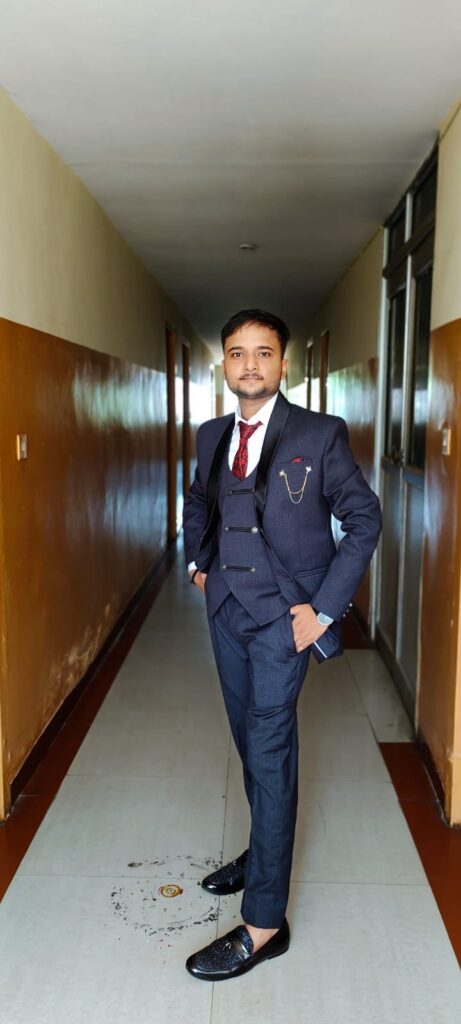
    Welcome to my platform.This is My Website ( Shivam Raj). I am a Content creator

    Shivam Raj picture