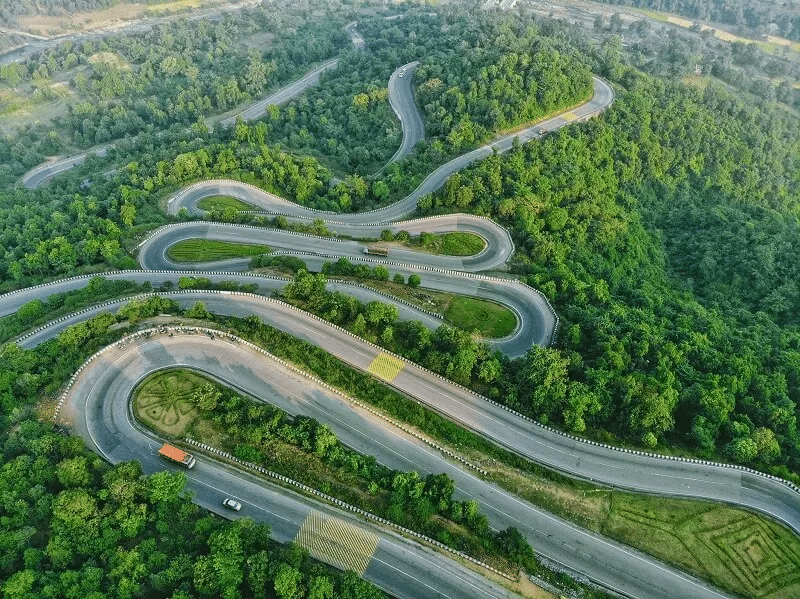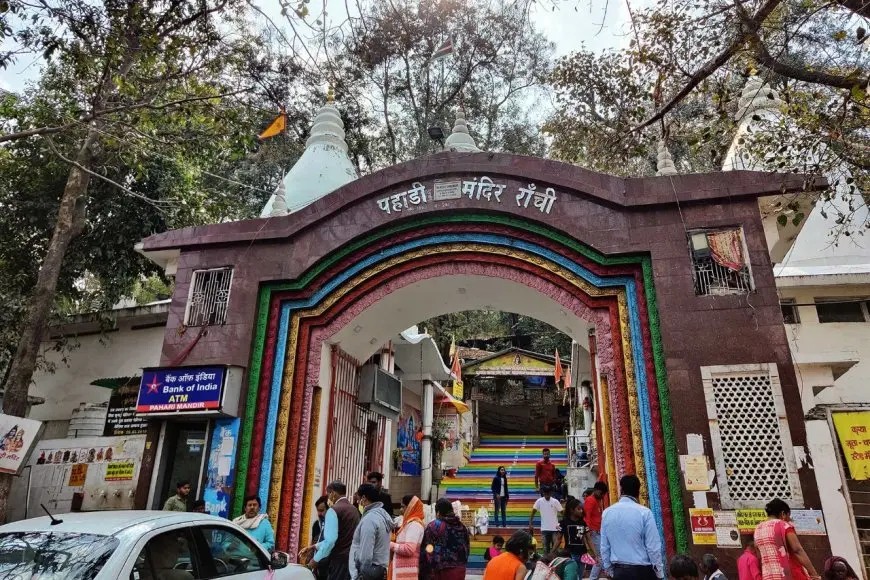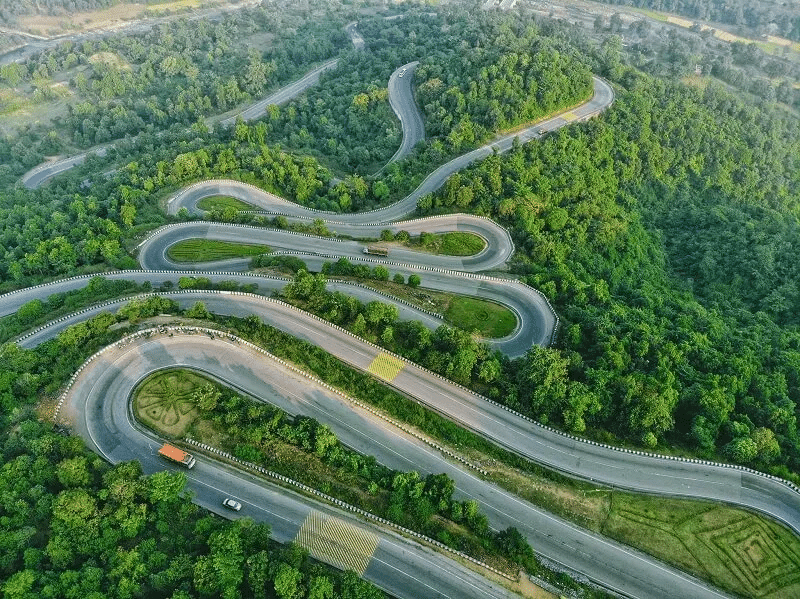
Category: Travel

  • Manali Himachal Pradesh City

    Manali Himachal Pradesh City

    Manali, nestled in the majestic Himalayas of Himachal Pradesh, is one of Indiaโ€™s most beloved hill stations. Perched at an altitude of about 2,050 meters (6,726 feet) above sea level, Manali lies along the banks of the Beas River and is surrounded by snow-capped peaks, dense pine and deodar forests, apple orchards, and rolling meadows. Over the decades, it has evolved from a quiet mountain hamlet into a vibrant tourist destination, attracting honeymooners, adventure seekers, backpackers, spiritual travelers, and nature lovers alike. The charm of Manali lies in its ability to offer serenity and thrill in equal measure.

    Geographic Setting and Climate

    Manali is located in the Kullu district of Himachal Pradesh and forms part of the upper Kullu Valley. The town is set against the dramatic backdrop of the Pir Panjal and Dhauladhar ranges of the Himalayas. The Beas River, originating from the Beas Kund glacier, flows gracefully through the valley, lending life and beauty to the region.

    The climate of Manali is largely cool and pleasant, though it varies sharply with the seasons. Summers (March to June) are mild, with temperatures ranging between 10ยฐC and 25ยฐC, making it a popular escape from the scorching heat of the plains. Monsoons (July to September) bring moderate to heavy rainfall, enhancing the greenery but sometimes causing landslides. Winters (October to February) are cold, with temperatures often dropping below freezing, and heavy snowfall transforms Manali into a winter wonderland. This seasonal diversity makes Manali a year-round destination.


    Historical Background

    Historically, Manali was an important stop on ancient trade routes connecting India with Central Asia, Tibet, and Ladakh. The region finds mention in Hindu mythology as well. According to legend, Manali is named after Manu, the progenitor of mankind in Hindu belief. It is said that Manu stepped off his ark here after a great flood and recreated human life, giving Manali the name โ€œManu-Alaya,โ€ meaning โ€œthe abode of Manu.โ€

    Over centuries, the area was ruled by local chieftains and later came under the influence of various Himalayan kingdoms. During British rule, Manali gained popularity as a retreat due to its pleasant climate. Today, while modern tourism dominates its economy, echoes of its ancient and medieval past can still be felt in its temples, traditions, and folklore.

    Cultural Life and Traditions

    The culture of Manali is deeply rooted in Himachali traditions. The local population primarily consists of ethnic groups such as the Kullvis, with strong influences of Tibetan culture as well. Festivals play a central role in community life. Dussehra, celebrated with great enthusiasm in nearby Kullu, is one of the most significant festivals of the region, featuring colorful processions, traditional music, and folk dances.

    The people of Manali are known for their warmth and hospitality. Traditional attire includes woolen garments like shawls, caps, and coats, reflecting the cold climate. Handicrafts such as woolen rugs, caps, and wooden carvings are integral to local culture and serve as popular souvenirs for visitors.


    Major Attractions

    Hadimba Devi Temple

    One of the most iconic landmarks of Manali, the Hadimba Devi Temple, is dedicated to Hidimba, a character from the Mahabharata. Built in 1553, the temple is known for its unique wooden architecture and pagoda-style roof. Surrounded by tall cedar trees, it exudes a tranquil and mystical atmosphere.

    Solang Valley

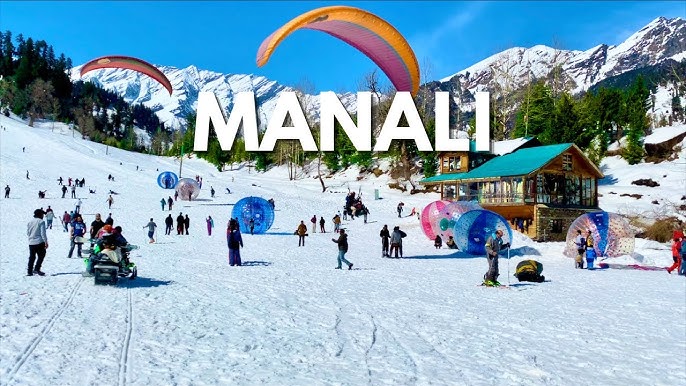
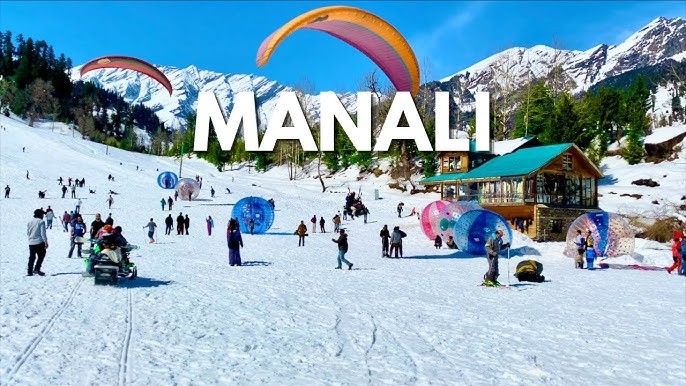
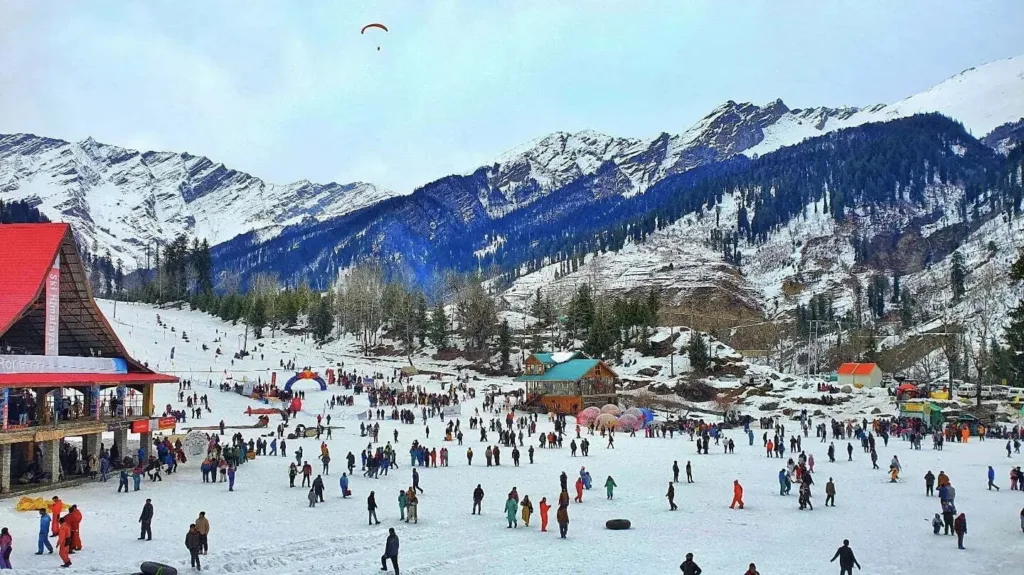
    Located about 13 kilometers from Manali, Solang Valley is a hub for adventure sports. During winter, it becomes a skiing paradise, while summer offers activities like paragliding, zorbing, and horse riding. The scenic beauty of the valley, with snow-covered peaks and lush greenery, makes it a favorite among tourists.

    Rohtang Pass

    At an altitude of around 3,978 meters, Rohtang Pass connects the Kullu Valley with Lahaul and Spiti. Open only for a few months each year due to heavy snowfall, it offers breathtaking views of glaciers, mountains, and valleys. Rohtang is especially popular for snow activities and photography.

    Old Manali

    Old Manali presents a stark contrast to the bustling Mall Road area. With its narrow lanes, rustic houses, cafes, and apple orchards, it attracts backpackers and travelers seeking a laid-back vibe. The area is known for its bohemian culture and international crowd.

    Vashisht Hot Springs

    The village of Vashisht, located near Manali, is famous for its natural hot water springs, believed to have medicinal properties. Temples dedicated to sage Vashisht and Lord Rama add spiritual significance to the place.


    Adventure and Outdoor Activities

    Manali is often referred to as the adventure capital of Himachal Pradesh. The region offers a wide range of outdoor activities throughout the year. Trekking routes such as the Hampta Pass, Beas Kund, and Bhrigu Lake attract trekkers from across the globe. River rafting on the Beas River provides an adrenaline rush, especially during the summer months.

    During winter, skiing, snowboarding, and snowmobiling draw thrill-seekers, while mountain biking and camping are popular in warmer seasons. These activities not only enhance the tourist experience but also contribute significantly to the local economy.


    Flora, Fauna, and Natural Beauty

    The natural environment of Manali is one of its greatest assets. Dense forests of pine, deodar, oak, and fir surround the town. In spring and summer, wildflowers bloom across the meadows, adding vibrant colors to the landscape. The region is home to diverse wildlife, including Himalayan monal (the state bird of Himachal Pradesh), snow leopards in higher altitudes, brown bears, and musk deer.

    Efforts are being made to promote eco-tourism and sustainable practices to preserve this fragile Himalayan ecosystem, though increasing tourist footfall remains a challenge.


    Cuisine of Manali

    The cuisine of Manali reflects its mountainous setting and cultural influences. Traditional Himachali dishes such as siddu (steamed bread), madra (a yogurt-based curry), thukpa, and babru are popular among locals and visitors. Due to the influx of tourists, Manali also boasts a wide variety of cafes and restaurants serving Indian, Tibetan, Israeli, and continental cuisines.

    Apple-based products like juices, jams, and ciders are widely enjoyed, as apple farming is a major agricultural activity in the region.


    Tourism and Modern Development

    Tourism is the backbone of Manaliโ€™s economy. Hotels, guesthouses, homestays, travel agencies, and adventure sports operators provide employment to a large section of the population. The town has seen rapid development in infrastructure, including improved road connectivity, healthcare facilities, and educational institutions.

    However, this growth has also brought challenges such as traffic congestion, waste management issues, and environmental degradation. Balancing development with sustainability is crucial to preserving Manaliโ€™s natural and cultural heritage for future generations.


    Conclusion

    Manali is more than just a tourist destination; it is a harmonious blend of nature, culture, history, and adventure. Its snow-clad mountains, lush valleys, flowing rivers, and vibrant traditions make it a place that leaves a lasting impression on every visitor. Whether one seeks peace amid nature, spiritual solace, thrilling adventures, or cultural exploration, Manali offers something for everyone. As it continues to evolve with time, the true essence of Manali lies in respecting and protecting the pristine beauty that has made it one of Indiaโ€™s most cherished hill stations.
  • Puri the Land of Lord Jagannath ๐Ÿ•‰๏ธ

    Puri the Land of Lord Jagannath ๐Ÿ•‰๏ธ


    Puri: The Sacred Coastal City of Lord Jagannath

    Puri, located on the eastern coast of India in the state of Odisha, is one of the most ancient and spiritually significant cities of the country. Famous worldwide as the abode of Lord Jagannath, Puri is not only a major Hindu pilgrimage center but also a vibrant coastal town known for its rich history, art, culture, and natural beauty. Nestled along the shores of the Bay of Bengal, Puri holds a unique place in Indiaโ€™s religious landscape as one of the Char Dhamโ€”the four most sacred pilgrimage sites for Hindus.

    Historical Background

    The history of Puri dates back over two thousand years and is closely connected with ancient kingdoms, dynasties, and religious movements. In ancient times, the region was known as Kalinga, a powerful kingdom that played a significant role in Indian history. Archaeological evidence suggests that Puri and its surrounding areas were important centers of culture and trade even before the Christian era.

    The city gained prominence during the reign of the Eastern Ganga dynasty in the 12th century. It was during this period that King Anantavarman Chodaganga Deva initiated the construction of the famous Jagannath Temple. Successive rulers patronized art, architecture, and religious institutions, turning Puri into a major spiritual hub. Over centuries, Puri also witnessed invasions, colonial influence, and social changes, yet it retained its sacred identity and cultural continuity.

    Religious Significance

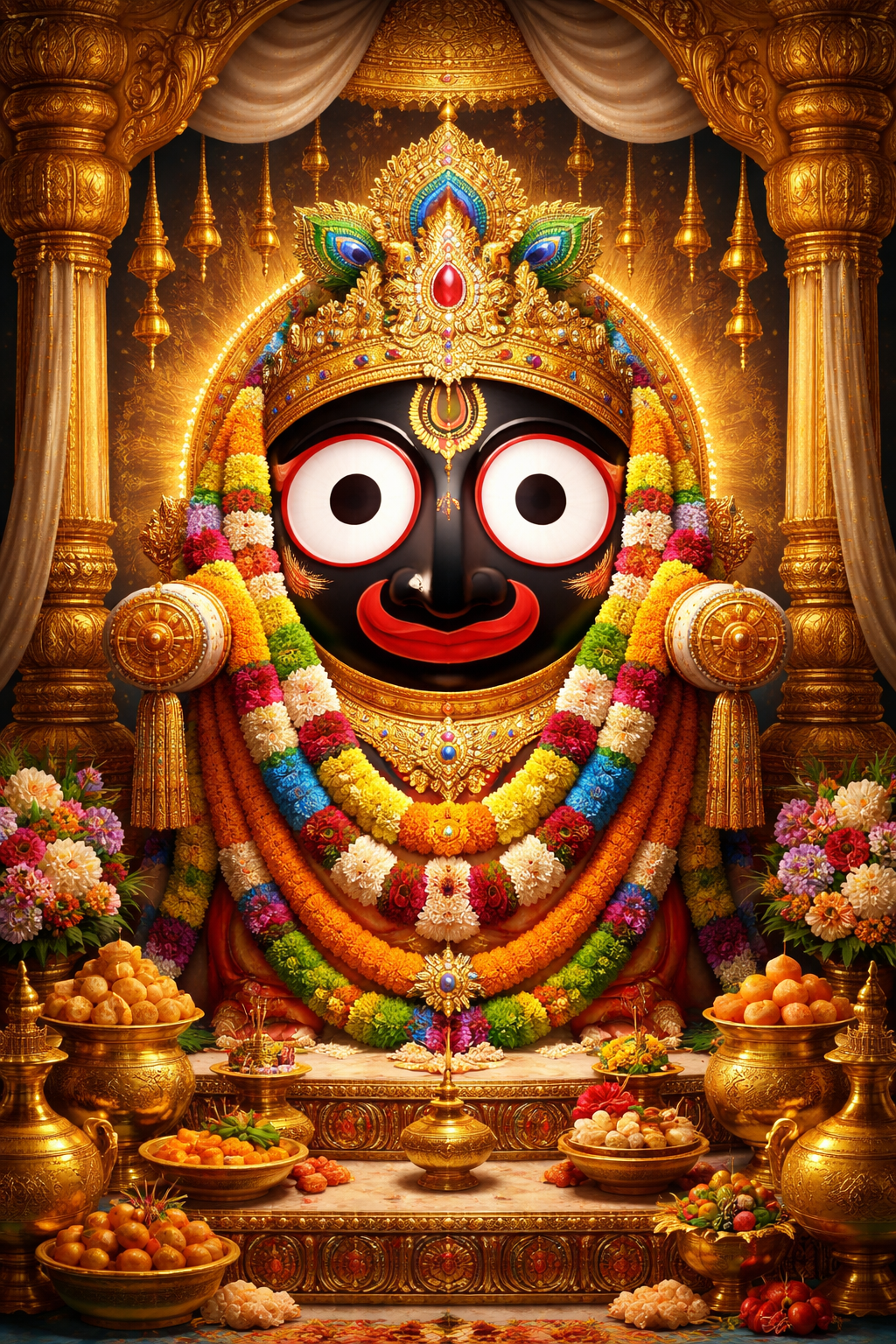
    Puriโ€™s greatest fame comes from the Jagannath Temple, one of the most revered temples in Hinduism. Lord Jagannath, along with his siblings Balabhadra and Subhadra, is worshipped here in a unique wooden form, symbolizing the universality and inclusiveness of faith. Unlike many other Hindu temples, the rituals of Jagannath are deeply rooted in tribal traditions, reflecting a fusion of Aryan and indigenous cultures.

    Puri is one of the four Char Dham pilgrimage sites, the others being Badrinath, Dwarka, and Rameswaram. A pilgrimage to Puri is considered incomplete without visiting the Jagannath Temple. Millions of devotees from across India and abroad visit the city every year to seek blessings and spiritual fulfillment.

    The Grand Rath Yatra

    One of the most spectacular festivals in India, the Rath Yatra of Puri, attracts millions of pilgrims and tourists. Held annually during the months of June or July, this festival involves the ceremonial procession of Lord Jagannath, Balabhadra, and Subhadra on massive, elaborately decorated wooden chariots. These chariots are pulled by devotees through the streets of Puri to the Gundicha Temple.

    The Rath Yatra symbolizes the Lordโ€™s journey to meet his devotees, breaking the traditional barriers of caste and class. People from all sections of society participate, making it a powerful expression of unity, devotion, and equality. The sight of the towering chariots, rhythmic chants, and sea of devotees creates an atmosphere of intense spiritual energy.

    Geography and Climate

    Puri is situated along the Bay of Bengal, about 60 kilometers from Bhubaneswar, the capital of Odisha. The city is blessed with long stretches of sandy beaches and a serene coastal environment. The Puri Beach is one of the most popular beaches in eastern India, known for its golden sands, rolling waves, and beautiful sunrises.

    The climate of Puri is tropical, characterized by hot summers, a humid monsoon season, and mild winters. Summers can be quite warm, while the monsoon brings heavy rainfall, adding freshness to the surroundings. Winters are pleasant and ideal for tourism and pilgrimage.

    Cultural Heritage

    Puri is a center of rich cultural traditions, particularly in the fields of dance, music, and art. It is closely associated with Odissi dance, one of the classical dance forms of India. Many traditional dance gurus and institutions in and around Puri have contributed significantly to preserving and promoting Odissi.

    The city is also famous for Pattachitra paintings, intricate traditional artworks created on cloth using natural colors. These paintings often depict scenes from the life of Lord Jagannath, Krishna, and various mythological stories. Another unique cultural element is the tradition of Chitrakara artists, who play an important role in temple rituals and festivals.

    Local Cuisine and the Mahaprasad

    One of the most remarkable aspects of Puriโ€™s religious life is the Mahaprasad of Lord Jagannath. Prepared in the temple kitchen, which is considered one of the largest temple kitchens in the world, Mahaprasad is cooked using traditional methods in earthen pots over wood-fired ovens. It is believed that the food is first offered to the Lord and then distributed to devotees.

    The Mahaprasad is unique because people of all castes and communities sit together to partake in it, symbolizing equality and brotherhood. Apart from Mahaprasad, Puri is famous for its Odia cuisine, including dishes like Dalma, Khaja, Chuda mix, and various seafood delicacies.

    Economy and Livelihood

    Puriโ€™s economy largely depends on tourism, pilgrimage, fishing, and handicrafts. The constant influx of pilgrims supports hotels, transport services, local shops, and small businesses. The fishing community plays a vital role in the coastal economy, supplying fresh seafood to local markets.

    Handicrafts such as Pattachitra, stone carvings, and conch shell works contribute to the cityโ€™s cultural economy. These traditional crafts provide livelihoods to many families and help preserve Odishaโ€™s artistic heritage.

    Puri in the Freedom Movement

    Puri also played a role in Indiaโ€™s freedom struggle. Leaders like Mahatma Gandhi visited the city and emphasized the importance of social reform and upliftment of the marginalized. The city became a center for discussions on nationalism, spirituality, and social harmony during the colonial period.

    Modern Development and Challenges

    In recent years, Puri has undergone significant development to improve infrastructure, sanitation, and tourism facilities. The government has undertaken projects to beautify the city, especially areas around the Jagannath Temple and the beachfront. Improved roads, public amenities, and heritage conservation efforts aim to make Puri more accessible and visitor-friendly.

    However, Puri also faces challenges such as coastal erosion, overcrowding during festivals, waste management, and environmental sustainability. Balancing modern development with the preservation of its sacred and ecological character remains a major concern.

    Conclusion

    Puri is more than just a city; it is a living symbol of Indiaโ€™s spiritual depth, cultural richness, and historical continuity. From the towering spire of the Jagannath Temple to the soothing waves of the Bay of Bengal, every corner of Puri resonates with devotion and tradition. Its festivals, art, cuisine, and inclusive spiritual practices reflect the essence of Indian civilization.

    As one of the Char Dham and a gateway to divine experience, Puri continues to attract millions of devotees and travelers seeking faith, peace, and cultural discovery. Despite the challenges of modernization, Puri remains timelessโ€”where devotion meets the sea, and history lives on through rituals, faith, and collective memory.


  • Chennai Madras Tamil Nadu

    Chennai Madras Tamil Nadu

    Chennai: The Cultural, Economic, and Historical Capital of South India

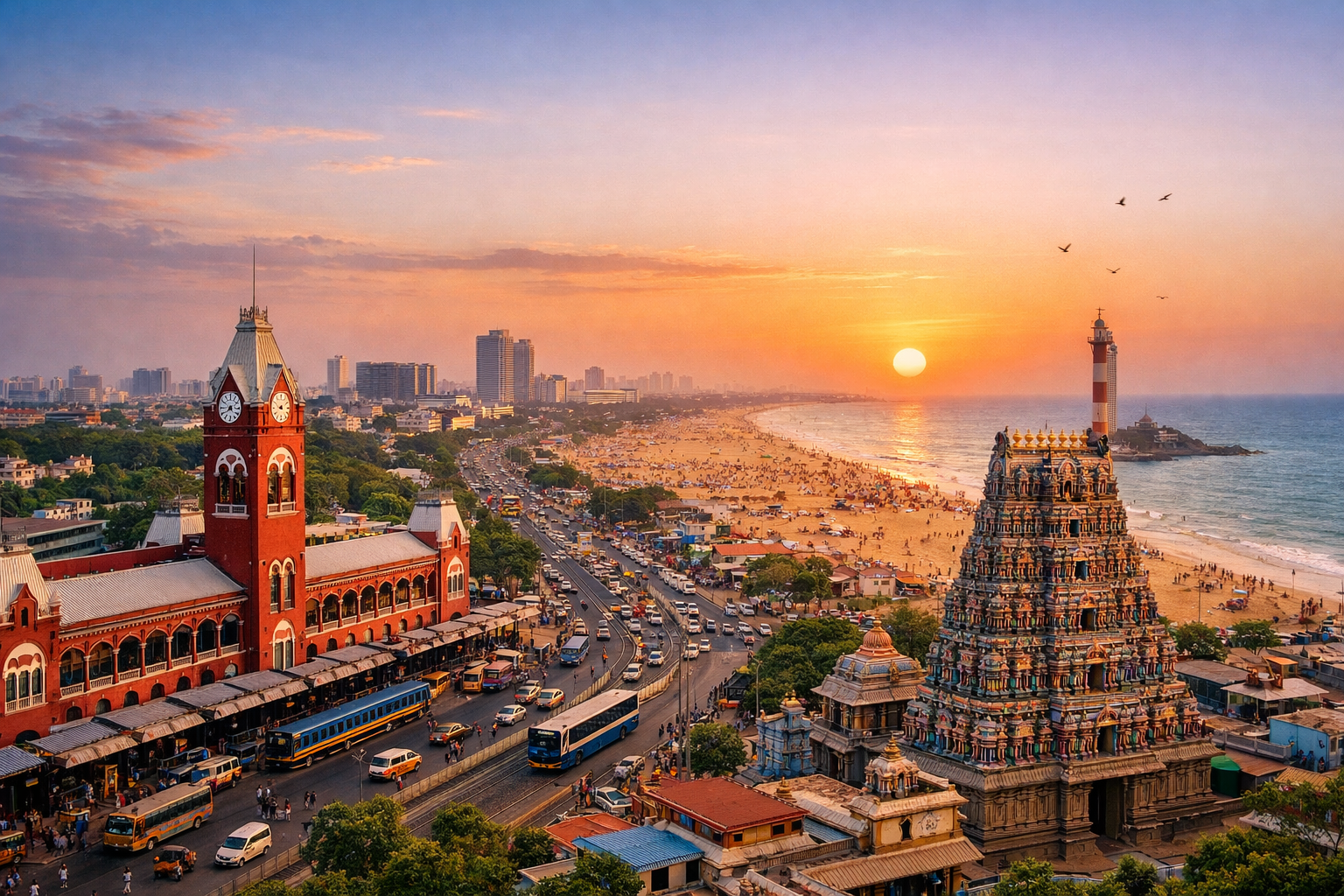
    Chennai, formerly known as Madras, is the capital city of the Indian state of Tamil Nadu and one of the most important metropolitan cities in India. Located on the Coromandel Coast along the Bay of Bengal, Chennai is often referred to as the โ€œGateway to South India.โ€ It is a city where ancient traditions coexist harmoniously with modern development, making it a unique blend of history, culture, education, industry, and technology. With a rich heritage dating back thousands of years and a rapidly growing urban landscape, Chennai stands as a symbol of South Indiaโ€™s identity and progress.

    Historical Background

    The history of Chennai is deeply rooted in ancient South Indian civilizations. The region around present-day Chennai was part of powerful South Indian dynasties such as the Pallavas, Cholas, Pandyas, and later the Vijayanagara Empire. These rulers contributed significantly to Tamil art, architecture, literature, and administration. The nearby town of Mahabalipuram, a UNESCO World Heritage Site, is a fine example of Pallava architecture and reflects the regionโ€™s historical importance.

    Chennaiโ€™s modern history began in 1639 when the British East India Company established Fort St. George after acquiring land from local rulers. This marked the foundation of the city as a major colonial center. Under British rule, Chennai developed into an important administrative, military, and commercial hub. The colonial influence is still visible today in buildings such as Fort St. George, the Madras High Court, Ripon Building, and various churches and educational institutions. After India gained independence in 1947, Chennai emerged as a key city in shaping modern Tamil Nadu.

    Geography and Climate

    Chennai is situated on the southeastern coast of India and is characterized by flat coastal plains. The city is crisscrossed by rivers such as the Cooum and Adyar, though urbanization has affected their natural flow and cleanliness. The Bay of Bengal plays a crucial role in shaping Chennaiโ€™s climate and economy.

    The climate of Chennai is tropical, with hot and humid weather prevailing for most of the year. Summers are particularly intense, with temperatures often exceeding 40ยฐC. The city receives most of its rainfall from the northeast monsoon between October and December, unlike many other parts of India that depend on the southwest monsoon. Cyclones and heavy rains occasionally affect the city, highlighting the challenges of coastal urban living.

    Cultural Heritage and Traditions

    Chennai is widely regarded as the cultural capital of South India. Tamil language, one of the oldest classical languages in the world, is at the heart of the cityโ€™s identity. Tamil literature, poetry, music, and dance have flourished here for centuries. The city is a major center for Carnatic music and Bharatanatyam dance, both of which are integral to South Indian classical traditions.

    The annual Madras Music Season, held during December and January, attracts artists and audiences from across the globe. During this time, numerous concerts, dance performances, and cultural events take place throughout the city. Chennaiโ€™s strong cultural roots are also reflected in its temples, such as Kapaleeshwarar Temple in Mylapore and Parthasarathy Temple in Triplicane, which are not only places of worship but also centers of art and community life.

    Festivals are celebrated with great enthusiasm in Chennai. Pongal, the harvest festival of Tamil Nadu, is one of the most important celebrations and symbolizes gratitude to nature. Other festivals like Deepavali, Navaratri, and Tamil New Year further highlight the cityโ€™s vibrant cultural life.

    Economy and Industrial Growth

    Chennai is one of Indiaโ€™s major economic centers and plays a crucial role in the countryโ€™s industrial and commercial development. The city is often called the โ€œDetroit of Indiaโ€ due to its strong automobile industry. Several major automobile manufacturers and auto-component companies have established production units in and around Chennai, making it a global automotive hub.

    In addition to automobiles, Chennai has a diversified economy that includes information technology, electronics, healthcare, manufacturing, logistics, and finance. The city is home to several IT parks and technology corridors, such as those along Old Mahabalipuram Road (OMR), which house multinational companies and startups. Chennaiโ€™s portsโ€”Chennai Port, Ennore Port, and Kattupalli Portโ€”are among the busiest in India and play a vital role in international trade.

    The healthcare sector in Chennai is particularly noteworthy. The city is known as the โ€œHealth Capital of Indiaโ€ due to its advanced medical facilities, skilled doctors, and affordable treatment options. Patients from across India and abroad travel to Chennai for specialized medical care, contributing to the cityโ€™s medical tourism industry.

    Education and Knowledge Hub

    Education has always been a cornerstone of Chennaiโ€™s development. The city is home to some of Indiaโ€™s most prestigious educational institutions, including the University of Madras, Indian Institute of Technology Madras (IIT Madras), Anna University, and several renowned schools and research centers. These institutions have produced scholars, scientists, engineers, and leaders who have contributed significantly to India and the world.

    Chennaiโ€™s emphasis on education has helped create a skilled workforce that supports its industries and innovation ecosystem. Libraries, research institutions, and cultural organizations further strengthen the cityโ€™s reputation as a center of learning and intellectual growth.

    Urban Life and Infrastructure

    As a major metropolitan city, Chennai has experienced rapid urbanization over the past few decades. The cityโ€™s infrastructure includes an extensive road network, suburban railway system, metro rail, and bus services that connect different parts of the city and surrounding regions. Chennai International Airport is one of the busiest airports in India and serves as a key gateway for international and domestic travel.

    Despite its development, Chennai faces challenges common to large cities, such as traffic congestion, water scarcity, pollution, and the need for sustainable urban planning. Efforts are being made to improve infrastructure, promote public transportation, restore water bodies, and adopt smart city initiatives to enhance the quality of life for residents.

    Cuisine and Lifestyle

    Chennaiโ€™s cuisine reflects its rich cultural heritage and coastal location. South Indian food dominates the culinary landscape, with dishes such as idli, dosa, vada, sambar, rasam, and curd rice being everyday staples. Traditional meals served on banana leaves are a distinctive feature of Tamil culture. Seafood is also popular due to the cityโ€™s proximity to the sea.

    The lifestyle in Chennai is often described as traditional yet progressive. While modern shopping malls, entertainment centers, and corporate offices are widespread, the city continues to value simplicity, family life, and cultural practices. The people of Chennai are known for their warmth, discipline, and respect for tradition.

    Conclusion

    Chennai is a city of contrasts and continuityโ€”where ancient temples stand alongside modern skyscrapers, classical music resonates amid technological innovation, and tradition evolves without losing its essence. Its historical significance, cultural richness, economic strength, and educational excellence make Chennai one of Indiaโ€™s most important cities. As it continues to grow and adapt to the challenges of the future, Chennai remains deeply rooted in its Tamil heritage, offering a unique example of how tradition and modernity can thrive together.

  • Mumbai the city of Dreams

    Mumbai the city of Dreams

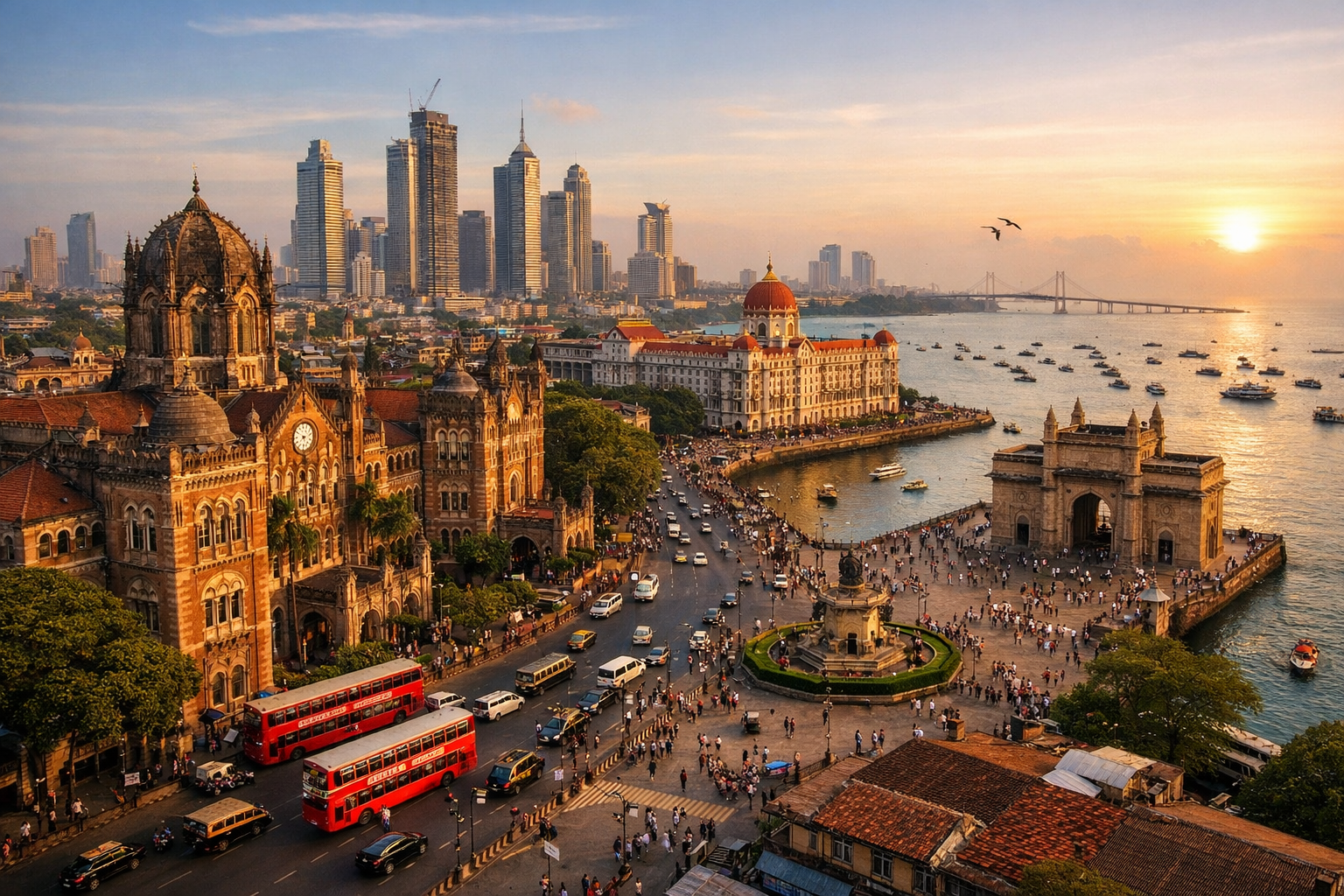
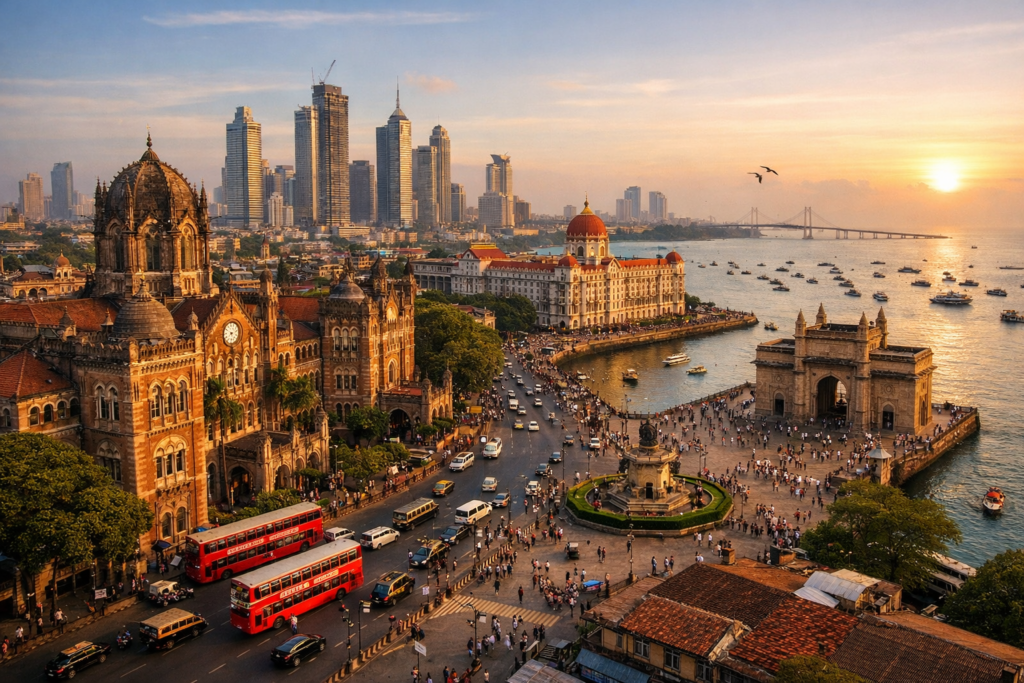
    Mumbai, often called the โ€œCity of Dreams,โ€ is the financial, commercial, and entertainment capital of India. Located on the western coast along the Arabian Sea, Mumbai is the capital of the state of Maharashtra and one of the most populous metropolitan cities in the world. A city of striking contrasts, Mumbai blends colonial-era architecture with modern skyscrapers, immense wealth with widespread poverty, tradition with innovation, and relentless energy with deep cultural roots. Its spirit lies in its resilience, diversity, and opportunities, making it a city unlike any other.

    Historical Background

    Mumbaiโ€™s history dates back thousands of years, originally consisting of seven islands inhabited by fishing communities known as the Kolis. The city came under Portuguese control in the 16th century and was later handed over to the British in 1661 as part of a royal marriage treaty. Under British rule, Mumbaiโ€”then known as Bombayโ€”developed into a major port city. The construction of railways, docks, and textile mills in the 19th century transformed it into an industrial and commercial hub. After Indiaโ€™s independence in 1947, Mumbai continued to grow rapidly, eventually becoming the heart of Indiaโ€™s economy.

    Geography and Climate

    Mumbai is situated on a narrow peninsula, bounded by the Arabian Sea to the west. Its coastal location has played a crucial role in its development as a major port and trading center. The city experiences a tropical climate, characterized by hot and humid summers, a heavy monsoon season from June to September, and mild winters. The monsoon rains, though essential for water supply, often lead to flooding, testing the cityโ€™s infrastructure and resilience year after year.

    Economy and Financial Importance

    Mumbai is widely regarded as the financial capital of India. It is home to the Reserve Bank of India (RBI), the Bombay Stock Exchange (BSE), the National Stock Exchange (NSE), and headquarters of numerous Indian and multinational corporations. The city contributes a significant share to Indiaโ€™s GDP and tax revenue. Key industries include finance, banking, information technology, media, textiles, shipping, and entertainment. Mumbaiโ€™s bustling business districts such as Nariman Point, Bandra-Kurla Complex (BKC), and Lower Parel reflect its economic dynamism.

    Bollywood and Entertainment

    One of Mumbaiโ€™s most famous identities is Bollywood, the Hindi film industry, which produces hundreds of films every year and influences popular culture across India and beyond. From iconic studios to celebrity homes, Bollywood is deeply woven into the cityโ€™s fabric. Alongside cinema, Mumbai has a vibrant theater scene, music industry, television production, and digital content creation ecosystem. This entertainment culture has given Mumbai global recognition and has attracted talent from every corner of the country.

    Culture and Diversity

    Mumbai is a melting pot of cultures, languages, and traditions. People from all Indian states and many countries live and work here, making it one of the most cosmopolitan cities in India. Marathi is the official language, but Hindi and English are widely spoken, along with Gujarati, Urdu, Tamil, Bengali, and many others. Festivals such as Ganesh Chaturthi, Diwali, Eid, Christmas, and Navratri are celebrated with great enthusiasm, reflecting communal harmony and cultural richness.

    Architecture and Landmarks

    Mumbaiโ€™s skyline showcases a fascinating mix of architectural styles. Colonial-era structures like the Chhatrapati Shivaji Maharaj Terminus, Gateway of India, Bombay High Court, and Rajabai Clock Tower stand alongside modern high-rises and luxury residences. Marine Drive, often called the โ€œQueenโ€™s Necklace,โ€ offers a stunning view of the coastline, while historic neighborhoods like South Mumbai narrate tales of the cityโ€™s colonial past. Religious landmarks such as Haji Ali Dargah, Siddhivinayak Temple, Mount Mary Church, and Mahalakshmi Temple highlight Mumbaiโ€™s spiritual diversity.

    Transport and Infrastructure

    Mumbai has one of the most extensive public transport systems in India. The Mumbai local trains, often described as the cityโ€™s lifeline, transport millions of passengers daily. Buses, metro lines, monorails, auto-rickshaws, taxis, and app-based cab services complement the transport network. The Chhatrapati Shivaji Maharaj International Airport connects Mumbai to major global destinations. Despite its scale, the city faces challenges such as overcrowding, traffic congestion, and infrastructure strain due to rapid urbanization.

    Social Challenges and Resilience

    Alongside prosperity, Mumbai also faces significant social challenges. The city is home to some of Asiaโ€™s largest slums, including Dharavi, highlighting stark economic inequality. Housing shortages, rising real estate prices, pollution, and pressure on public services are persistent issues. Yet, Mumbai is renowned for its resilience. Whether facing floods, terrorist attacks, or economic disruptions, the city and its people consistently demonstrate unity, courage, and an indomitable spirit.

    Education and Lifestyle

    Mumbai hosts some of Indiaโ€™s premier educational institutions, including the University of Mumbai, IIT Bombay, and prestigious schools and colleges. The city offers a fast-paced lifestyle, with countless restaurants, street food options, shopping districts, art galleries, beaches, nightlife hubs, and sports venues. From vada pav stalls to fine-dining restaurants, from local markets to luxury malls, Mumbai caters to every taste and income group.

    Conclusion

    Mumbai is more than just a cityโ€”it is an emotion, a dream, and a constant movement. It offers immense opportunities, attracts ambitious individuals, and challenges them to adapt and grow. Despite its problems, Mumbai continues to inspire millions with its promise of hope, success, and freedom. Its ability to embrace diversity, withstand adversity, and reinvent itself makes Mumbai truly the heart of modern India and a city that never sleeps.

  • Greenland The world’s biggest Island

    Greenland The world’s biggest Island

    Greenland: The Worldโ€™s biggest Greenland: The Worldโ€™s Largest Island

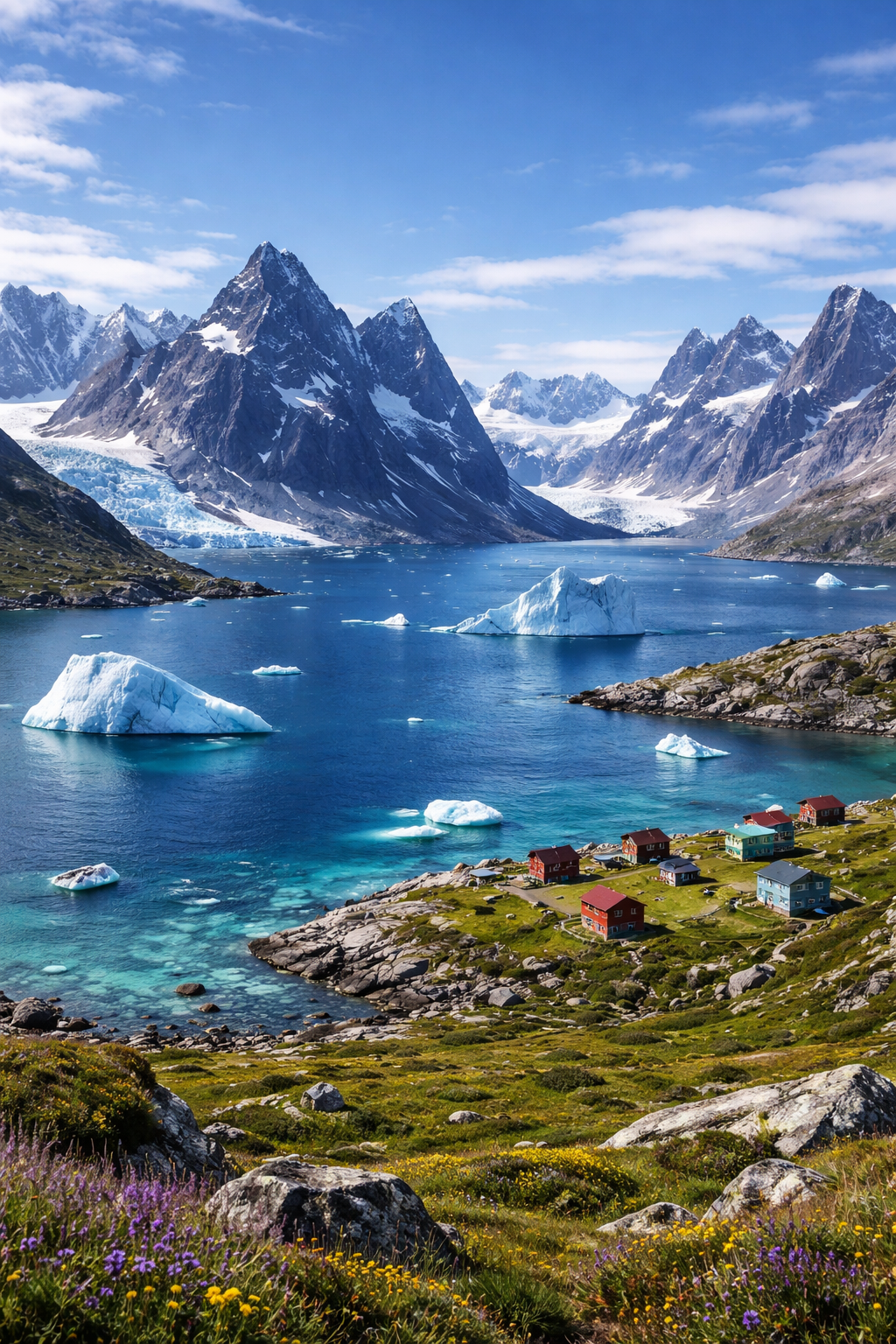
    Greenland, the worldโ€™s largest island, is a vast and fascinating land of ice, mountains, fjords, and resilient cultures. Located between the Arctic and Atlantic Oceans, northeast of Canada and northwest of Iceland, Greenland covers an area of about 2.16 million square kilometers. Despite its immense size, it is one of the least densely populated places on Earth, with a population of around 56,000 people. Administratively, Greenland is an autonomous territory within the Kingdom of Denmark, but it has its own government and a strong cultural identity rooted in Inuit traditions and Arctic life.

    Geography and Natural Features

    Approximately 80 percent of Greenland is covered by the Greenland Ice Sheet, the second-largest body of ice in the world after Antarctica. This massive ice cap plays a crucial role in global climate systems and sea levels. In some places, the ice is more than three kilometers thick. Along the islandโ€™s coast, especially in the west and south, the land is ice-free and marked by deep fjords, rugged mountains, glaciers, and rocky coastlines.

    Greenlandโ€™s landscape is dramatic and diverse. Towering icebergs drift through icy waters, calved from glaciers that slowly move toward the sea. Fjords such as the Ilulissat Icefjord, a UNESCO World Heritage Site, showcase some of the most active and visually stunning glacier activity on Earth. In the far north and east, vast wilderness areas remain almost completely untouched by human presence, offering a glimpse into pristine Arctic ecosystems.

    Climate and Environment

    Greenland has an Arctic to sub-Arctic climate. Winters are long, dark, and extremely cold, particularly in the interior, while summers are short and cool. Coastal areas experience milder conditions due to ocean currents, especially in the southwest, where temperatures can occasionally rise above 10ยฐC in summer. One of Greenlandโ€™s most striking natural phenomena is the polar night, when the sun does not rise for weeks or months in winter, and the midnight sun, when daylight lasts around the clock in summer.

    Climate change has had a profound impact on Greenland. Rising global temperatures are causing rapid melting of glaciers and the ice sheet, contributing significantly to global sea-level rise. Scientists closely monitor Greenland because changes here provide critical insights into the future of Earthโ€™s climate. At the same time, melting ice is revealing new land, altering ecosystems, and opening potential shipping routes and access to natural resources.

    History and Early Settlement

    Greenlandโ€™s human history dates back more than 4,500 years, when the first Paleo-Inuit cultures migrated from North America. Over time, various Inuit cultures developed, adapting skillfully to the harsh Arctic environment through hunting, fishing, and the use of animal skins and bones.

    In the 10th century, Norse explorer Erik the Red led settlers from Iceland to Greenland, naming it โ€œGreenlandโ€ in an attempt to attract colonists. The Norse established farming communities in southern Greenland, which lasted for several centuries before disappearing, likely due to climate cooling, economic isolation, and conflicts with the Inuit.

    In the 18th century, Denmark re-established control over Greenland, and it remained a Danish colony until the mid-20th century. In 1979, Greenland gained home rule, followed by expanded self-government in 2009, allowing greater control over internal affairs and natural resources.

    People and Culture

    The majority of Greenlandโ€™s population is Inuit, known as Kalaallit, with Danish and other European minorities. The official language is Greenlandic (Kalaallisut), a member of the Inuit language family, while Danish and English are also widely spoken.

    Greenlandic culture is deeply connected to nature. Traditional activities such as hunting seals, whales, and fishing remain important, both economically and culturally, especially in smaller settlements. Dog sledding, kayaking, and the use of traditional clothing made from animal skins reflect centuries-old practices adapted to Arctic life.

    Art and storytelling play a vital role in Greenlandic culture. Carvings made from bone, tusk, and stone, along with modern visual arts, express connections to myths, spirits, and the natural world. Music, including drum dancing and contemporary genres, blends tradition with modern influences.

    Economy and Way of Life

    Greenlandโ€™s economy is relatively small and depends heavily on fishing, particularly shrimp and halibut, which account for the majority of exports. Hunting and small-scale agriculture play limited roles due to the climate, though sheep farming exists in southern Greenland.

    Denmark provides substantial financial support to Greenland, forming an important part of the economy. However, there is ongoing debate about economic independence, with attention focused on the potential development of natural resources such as minerals, rare earth elements, oil, and gas. Tourism is also growing, as travelers are drawn by Greenlandโ€™s stunning landscapes, wildlife, and unique Arctic experiences.

    Life in Greenlandic towns and settlements is shaped by isolation and close-knit communities. Many places are accessible only by boat or aircraft, as there are no roads connecting major towns. This isolation fosters strong social bonds but also presents challenges in healthcare, education, and infrastructure.

    Wildlife and Biodiversity

    Despite its harsh climate, Greenland supports a range of wildlife adapted to Arctic conditions. Land animals include polar bears, Arctic foxes, musk oxen, reindeer, and Arctic hares. The surrounding seas are rich in marine life, with seals, walruses, whales, and numerous fish species. Birdlife is abundant in summer, when millions of migratory birds nest along Greenlandโ€™s coasts and cliffs.

    These ecosystems are sensitive to environmental change. Melting ice and warming seas affect animal migration patterns, breeding grounds, and food availability, making conservation efforts increasingly important.

    Greenland in the Modern World

    Today, Greenland stands at the intersection of tradition and modernity. While many residents embrace modern technology, education, and global connections, there is also a strong desire to preserve language, culture, and traditional knowledge. Greenlandโ€™s strategic location and natural resources have increased its geopolitical importance, attracting international interest from major world powers.

    At the same time, Greenlanders continue to navigate questions of identity, sustainability, and self-determination. Balancing economic development with environmental protection is a central challenge, especially in a region so deeply affected by climate change.

    Conclusion

    Greenland is a land of extremesโ€”vast ice sheets and deep fjords, long winters and bright summer nights, ancient traditions and modern aspirations. Its unique geography and culture make it one of the most remarkable places on Earth. As climate change reshapes its landscape and global interest in the Arctic grows, Greenlandโ€™s future will play an increasingly important role not only for its people, but for the planet as a whole.Greenland: The Worldโ€™s Largest Island

    Greenland, the worldโ€™s largest island, is a vast and fascinating land of ice, mountains, fjords, and resilient cultures. Located between the Arctic and Atlantic Oceans, northeast of Canada and northwest of Iceland, Greenland covers an area of about 2.16 million square kilometers. Despite its immense size, it is one of the least densely populated places on Earth, with a population of around 56,000 people. Administratively, Greenland is an autonomous territory within the Kingdom of Denmark, but it has its own government and a strong cultural identity rooted in Inuit traditions and Arctic life.

    Geography and Natural Features

    Approximately 80 percent of Greenland is covered by the Greenland Ice Sheet, the second-largest body of ice in the world after Antarctica. This massive ice cap plays a crucial role in global climate systems and sea levels. In some places, the ice is more than three kilometers thick. Along the islandโ€™s coast, especially in the west and south, the land is ice-free and marked by deep fjords, rugged mountains, glaciers, and rocky coastlines.

    Greenlandโ€™s landscape is dramatic and diverse. Towering icebergs drift through icy waters, calved from glaciers that slowly move toward the sea. Fjords such as the Ilulissat Icefjord, a UNESCO World Heritage Site, showcase some of the most active and visually stunning glacier activity on Earth. In the far north and east, vast wilderness areas remain almost completely untouched by human presence, offering a glimpse into pristine Arctic ecosystems.

    Climate and Environment

    Greenland has an Arctic to sub-Arctic climate. Winters are long, dark, and extremely cold, particularly in the interior, while summers are short and cool. Coastal areas experience milder conditions due to ocean currents, especially in the southwest, where temperatures can occasionally rise above 10ยฐC in summer. One of Greenlandโ€™s most striking natural phenomena is the polar night, when the sun does not rise for weeks or months in winter, and the midnight sun, when daylight lasts around the clock in summer.

    Climate change has had a profound impact on Greenland. Rising global temperatures are causing rapid melting of glaciers and the ice sheet, contributing significantly to global sea-level rise. Scientists closely monitor Greenland because changes here provide critical insights into the future of Earthโ€™s climate. At the same time, melting ice is revealing new land, altering ecosystems, and opening potential shipping routes and access to natural resources.

    History and Early Settlement

    Greenlandโ€™s human history dates back more than 4,500 years, when the first Paleo-Inuit cultures migrated from North America. Over time, various Inuit cultures developed, adapting skillfully to the harsh Arctic environment through hunting, fishing, and the use of animal skins and bones.

    In the 10th century, Norse explorer Erik the Red led settlers from Iceland to Greenland, naming it โ€œGreenlandโ€ in an attempt to attract colonists. The Norse established farming communities in southern Greenland, which lasted for several centuries before disappearing, likely due to climate cooling, economic isolation, and conflicts with the Inuit.

    In the 18th century, Denmark re-established control over Greenland, and it remained a Danish colony until the mid-20th century. In 1979, Greenland gained home rule, followed by expanded self-government in 2009, allowing greater control over internal affairs and natural resources.

    People and Culture

    The majority of Greenlandโ€™s population is Inuit, known as Kalaallit, with Danish and other European minorities. The official language is Greenlandic (Kalaallisut), a member of the Inuit language family, while Danish and English are also widely spoken.

    Greenlandic culture is deeply connected to nature. Traditional activities such as hunting seals, whales, and fishing remain important, both economically and culturally, especially in smaller settlements. Dog sledding, kayaking, and the use of traditional clothing made from animal skins reflect centuries-old practices adapted to Arctic life.

    Art and storytelling play a vital role in Greenlandic culture. Carvings made from bone, tusk, and stone, along with modern visual arts, express connections to myths, spirits, and the natural world. Music, including drum dancing and contemporary genres, blends tradition with modern influences.

    Economy and Way of Life

    Greenlandโ€™s economy is relatively small and depends heavily on fishing, particularly shrimp and halibut, which account for the majority of exports. Hunting and small-scale agriculture play limited roles due to the climate, though sheep farming exists in southern Greenland.

    Denmark provides substantial financial support to Greenland, forming an important part of the economy. However, there is ongoing debate about economic independence, with attention focused on the potential development of natural resources such as minerals, rare earth elements, oil, and gas. Tourism is also growing, as travelers are drawn by Greenlandโ€™s stunning landscapes, wildlife, and unique Arctic experiences.

    Life in Greenlandic towns and settlements is shaped by isolation and close-knit communities. Many places are accessible only by boat or aircraft, as there are no roads connecting major towns. This isolation fosters strong social bonds but also presents challenges in healthcare, education, and infrastructure.

    Wildlife and Biodiversity

    Despite its harsh climate, Greenland supports a range of wildlife adapted to Arctic conditions. Land animals include polar bears, Arctic foxes, musk oxen, reindeer, and Arctic hares. The surrounding seas are rich in marine life, with seals, walruses, whales, and numerous fish species. Birdlife is abundant in summer, when millions of migratory birds nest along Greenlandโ€™s coasts and cliffs.

    These ecosystems are sensitive to environmental change. Melting ice and warming seas affect animal migration patterns, breeding grounds, and food availability, making conservation efforts increasingly important.

    Greenland in the Modern World

    Today, Greenland stands at the intersection of tradition and modernity. While many residents embrace modern technology, education, and global connections, there is also a strong desire to preserve language, culture, and traditional knowledge. Greenlandโ€™s strategic location and natural resources have increased its geopolitical importance, attracting international interest from major world powers.

    At the same time, Greenlanders continue to navigate questions of identity, sustainability, and self-determination. Balancing economic development with environmental protection is a central challenge, especially in a region so deeply affected by climate change.

    Conclusion

    Greenland is a land of extremesโ€”vast ice sheets and deep fjords, long winters and bright summer nights, ancient traditions and modern aspirations. Its unique geography and culture make it one of the most remarkable places on Earth. As climate change reshapes its landscape and global interest in the Arctic grows, Greenlandโ€™s future will play an increasingly important role not only for its people, but for the planet as a whole.Island

    Greenland, the worldโ€™s largest island, is a vast and fascinating land of ice, mountains, fjords, and resilient cultures. Located between the Arctic and Atlantic Oceans, northeast of Canada and northwest of Iceland, Greenland covers an area of about 2.16 million square kilometers. Despite its immense size, it is one of the least densely populated places on Earth, with a population of around 56,000 people. Administratively, Greenland is an autonomous territory within the Kingdom of Denmark, but it has its own government and a strong cultural identity rooted in Inuit traditions and Arctic life.

    Geography and Natural Features

    Approximately 80 percent of Greenland is covered by the Greenland Ice Sheet, the second-largest body of ice in the world after Antarctica. This massive ice cap plays a crucial role in global climate systems and sea levels. In some places, the ice is more than three kilometers thick. Along the islandโ€™s coast, especially in the west and south, the land is ice-free and marked by deep fjords, rugged mountains, glaciers, and rocky coastlines.

    Greenlandโ€™s landscape is dramatic and diverse. Towering icebergs drift through icy waters, calved from glaciers that slowly move toward the sea. Fjords such as the Ilulissat Icefjord, a UNESCO World Heritage Site, showcase some of the most active and visually stunning glacier activity on Earth. In the far north and east, vast wilderness areas remain almost completely untouched by human presence, offering a glimpse into pristine Arctic ecosystems.

    Climate and Environment

    Greenland has an Arctic to sub-Arctic climate. Winters are long, dark, and extremely cold, particularly in the interior, while summers are short and cool. Coastal areas experience milder conditions due to ocean currents, especially in the southwest, where temperatures can occasionally rise above 10ยฐC in summer. One of Greenlandโ€™s most striking natural phenomena is the polar night, when the sun does not rise for weeks or months in winter, and the midnight sun, when daylight lasts around the clock in summer.

    Climate change has had a profound impact on Greenland. Rising global temperatures are causing rapid melting of glaciers and the ice sheet, contributing significantly to global sea-level rise. Scientists closely monitor Greenland because changes here provide critical insights into the future of Earthโ€™s climate. At the same time, melting ice is revealing new land, altering ecosystems, and opening potential shipping routes and access to natural resources.

    History and Early Settlement

    Greenlandโ€™s human history dates back more than 4,500 years, when the first Paleo-Inuit cultures migrated from North America. Over time, various Inuit cultures developed, adapting skillfully to the harsh Arctic environment through hunting, fishing, and the use of animal skins and bones.

    In the 10th century, Norse explorer Erik the Red led settlers from Iceland to Greenland, naming it โ€œGreenlandโ€ in an attempt to attract colonists. The Norse established farming communities in southern Greenland, which lasted for several centuries before disappearing, likely due to climate cooling, economic isolation, and conflicts with the Inuit.

    In the 18th century, Denmark re-established control over Greenland, and it remained a Danish colony until the mid-20th century. In 1979, Greenland gained home rule, followed by expanded self-government in 2009, allowing greater control over internal affairs and natural resources.

    People and Culture

    The majority of Greenlandโ€™s population is Inuit, known as Kalaallit, with Danish and other European minorities. The official language is Greenlandic (Kalaallisut), a member of the Inuit language family, while Danish and English are also widely spoken.

    Greenlandic culture is deeply connected to nature. Traditional activities such as hunting seals, whales, and fishing remain important, both economically and culturally, especially in smaller settlements. Dog sledding, kayaking, and the use of traditional clothing made from animal skins reflect centuries-old practices adapted to Arctic life.

    Art and storytelling play a vital role in Greenlandic culture. Carvings made from bone, tusk, and stone, along with modern visual arts, express connections to myths, spirits, and the natural world. Music, including drum dancing and contemporary genres, blends tradition with modern influences.

    Economy and Way of Life

    Greenlandโ€™s economy is relatively small and depends heavily on fishing, particularly shrimp and halibut, which account for the majority of exports. Hunting and small-scale agriculture play limited roles due to the climate, though sheep farming exists in southern Greenland.

    Denmark provides substantial financial support to Greenland, forming an important part of the economy. However, there is ongoing debate about economic independence, with attention focused on the potential development of natural resources such as minerals, rare earth elements, oil, and gas. Tourism is also growing, as travelers are drawn by Greenlandโ€™s stunning landscapes, wildlife, and unique Arctic experiences.

    Life in Greenlandic towns and settlements is shaped by isolation and close-knit communities. Many places are accessible only by boat or aircraft, as there are no roads connecting major towns. This isolation fosters strong social bonds but also presents challenges in healthcare, education, and infrastructure.

    Wildlife and Biodiversity

    Despite its harsh climate, Greenland supports a range of wildlife adapted to Arctic conditions. Land animals include polar bears, Arctic foxes, musk oxen, reindeer, and Arctic hares. The surrounding seas are rich in marine life, with seals, walruses, whales, and numerous fish species. Birdlife is abundant in summer, when millions of migratory birds nest along Greenlandโ€™s coasts and cliffs.

    These ecosystems are sensitive to environmental change. Melting ice and warming seas affect animal migration patterns, breeding grounds, and food availability, making conservation efforts increasingly important.

    Greenland in the Modern World

    Today, Greenland stands at the intersection of tradition and modernity. While many residents embrace modern technology, education, and global connections, there is also a strong desire to preserve language, culture, and traditional knowledge. Greenlandโ€™s strategic location and natural resources have increased its geopolitical importance, attracting international interest from major world powers.

    At the same time, Greenlanders continue to navigate questions of identity, sustainability, and self-determination. Balancing economic development with environmental protection is a central challenge, especially in a region so deeply affected by climate change.

    Conclusion

    Greenland is a land of extremesโ€”vast ice sheets and deep fjords, long winters and bright summer nights, ancient traditions and modern aspirations. Its unique geography and culture make it one of the most remarkable places on Earth. As climate change reshapes its landscape and global interest in the Arctic grows, Greenlandโ€™s future will play an increasingly important role not only for its people, but for the planet as a whole.

  • Iran Currency Devaluation day by day ๐Ÿ‡ฎ๐Ÿ‡ท

    Iran Currency Devaluation day by day ๐Ÿ‡ฎ๐Ÿ‡ท


    Introduction โ€” What & Where Is Iran?

    Iran โ€” officially the Islamic Republic of Iran โ€” is a country in Western Asia situated at a geographic crossroads between Central Asia, South Asia, and the Middle East. It occupies about 1,648,195 kmยฒ, making it one of the larger countries in the region. The nation borders Armenia and Azerbaijan to the north, the Caspian Sea to the northwest, Turkmenistan to the northeast, Afghanistan and Pakistan to the east, and Iraq and Turkey to the west. The Persian Gulf and the Gulf of Oman lie to the south, giving Iran strategic access to the vital Strait of Hormuz โ€” a chokepoint for global oil transport.

    The official language is Persian (Farsi), and Islam, particularly Twelver Shiโ€™a Islam, is the state religion. Iranโ€™s capital and largest city is Tehran โ€” a major political, cultural, and economic centre.


    Physical Geography & Environment

    Iranโ€™s landscape is marked by mountain ranges, plateaus, deserts, and coastlines. The Zagros Mountains stretch from the northwest to the southeast, while the Alborz Mountains run along the northern edge near the Caspian Sea. These highlands enclose the vast central deserts, including the Dasht-e Kavir and Dasht-e Lut. The countryโ€™s highest peak is Mount Damavand (5,625 m), an iconic volcano in the Alborz range.

    The climate varies widely โ€” from arid and semi-arid in the inland plateaus and deserts to subtropical along the Caspian coast. Iran faces significant environmental challenges including desertification, water scarcity, and air pollution. Its water crisis has worsened in recent years due to climate change and unsustainable agricultural policies, threatening water security even in major cities like Tehran.


    A Long and Influential History

    Ancient and Imperial Eras

    Iranโ€™s history stretches back thousands of years. Ancient Persian civilizations, such as the Elamites and later the Medes, laid the foundations for powerful empires. The Achaemenid Empire (c. 550โ€“330 BCE), founded by Cyrus the Great, was one of the largest empires in the ancient world, known for administrative sophistication and respect for local cultures. This was followed by other imperial dynasties โ€” the Parthians and the Sassanids โ€” that ruled until the Arab conquests in the 7th century.

    Under the Sassanids, Persia rivalled the might of Rome and Byzantium, leaving a rich legacy in art, architecture, and religion, particularly the development of Zoroastrianism. With the arrival of Islam, Iran gradually became a centre of Islamic civilization, producing remarkable contributions in science, philosophy, literature, and the arts during the Islamic Golden Age.

    Modern History & Revolution

    In the early modern era, Iran was shaped by the Safavid dynasty, which in the 16th century made Shiโ€™a Islam the state religion, deeply influencing Iranian identity. The 19th and early 20th centuries saw increasing foreign influence from Britain and Russia.

    In the 20th century, political reforms, oil wealth, and tensions over modernity culminated in the 1979 Islamic Revolution, which overthrew the Pahlavi monarchy and established the Islamic Republic under Ayatollah Ruhollah Khomeini. This revolution profoundly altered Iranโ€™s political trajectory and its relations with the West.


    Political System & Governance

    Iranโ€™s political system is a unique theocratic republic blending religious authority with republican institutions.

    Core Institutions

    • Supreme Leader: The highest authority, currently Ayatollah Ali Khamenei, controls key levers like the military, judiciary, and media.
    • President: Head of government responsible for executive administration, currently Masoud Pezeshkian.
    • Parliament (Majles): Unicameral legislative body with limited powers within the framework defined by the religious establishment.
    • Guardian Council: Unelected body that vets candidates for office and ensures conformity of laws with Islamic principles.

    This fusion of clerical oversight and electoral politics gives the Supreme Leader and allied institutions outsized influence over national affairs.

    Human Rights & Politics Today

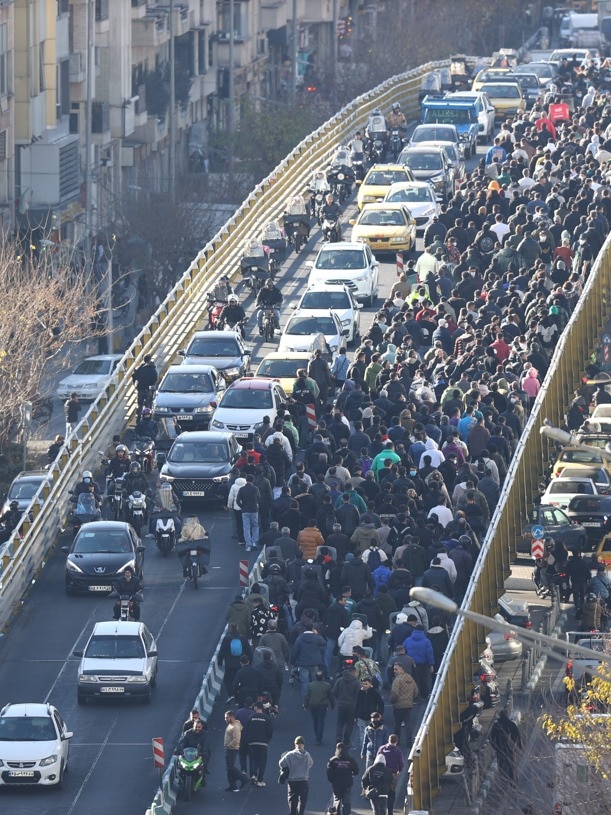
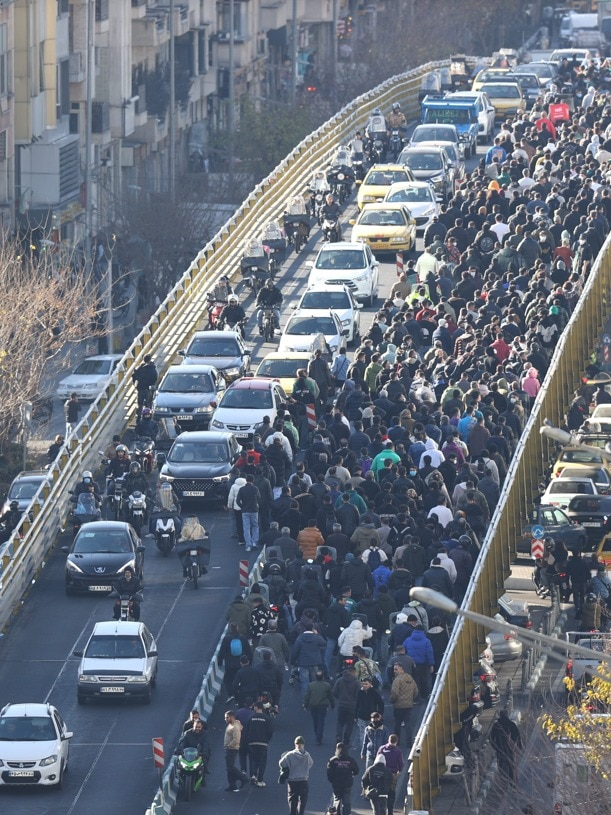
    Iran regularly contends with political dissent and human rights criticisms. In recent years, widespread protests โ€” including after the 2022 death of Mahsa Amini and more recent demonstrations over economic hardship โ€” have shown deep social tensions. The government has often responded with force and internet blackouts to suppress dissent.


    Demographics & Society

    Iranโ€™s population is ethnically diverse, with Persians as the majority, along with Azeris, Kurds, Lurs, Arabs, Baluchis, and others. The dominant religion is Shiโ€™a Islam, though there are religious minorities, including Sunni Muslims, Christians, Jews, and Zoroastrians. Persian language and culture bind the nationโ€™s many communities, though regional languages and identities also persist.

    Youth constitute a large portion of the population. Demographic pressures intersect with economic stagnation and social aspirations, fueling change and generational tensions.


    Economy & Natural Resources

    Oil, Gas & Industry

    Iran sits atop some of the worldโ€™s largest oil and natural gas reserves, forming the backbone of its economy. It is a member of OPEC and historically exported millions of barrels of oil per day, though production and export levels have fluctuated amid international sanctions.

    Energy revenues have funded government budgets but also made the economy susceptible to global price swings and geopolitical pressures. Iran also has significant mineral resources, including copper, iron ore, and coal.

    Sanctions & Economic Challenges

    Decades of sanctions โ€” especially from the United States and European Union over Iranโ€™s nuclear program โ€” have restricted trade and investment. These pressures have led to currency devaluation, inflation, and reduced foreign exchange revenues. In late 2025 and early 2026, economic crises sparked nationwide protests as living costs soared and the rial collapsed.

    Iranโ€™s economy also grapples with state dominance of key sectors, corruption, and an expanding role for military-linked entities like the Revolutionary Guards, which control large parts of the economy and hinder private sector growth.


    Culture, Identity & Contribution

    Iranโ€™s culture is one of the worldโ€™s oldest and richest, deeply influencing literature, poetry, philosophy, architecture, and art. Persian poets like Hafez, Rumi, and Ferdowsi are celebrated globally; Iranian cinema has won international acclaim. Iranโ€™s architectural heritage โ€” from Persepolis to Isfahanโ€™s Naqsh-e Jahan Square โ€” reflects centuries of artistic achievement.

    Contemporary Iran balances its Islamic identity with a deep pride in its pre-Islamic heritage, seen in renewed cultural events and celebrations of historical sites. This cultural soft-power move is sometimes used to foster national unity amid political and economic strain.

    Iranian society also navigates evolving social norms, particularly around gender, expression, and media. While the state enforces certain restrictions, many Iranians push for broader freedoms, especially in urban centers.


    Foreign Relations & Geopolitics

    Iran exerts influence across the Middle East through political alliances and support for proxy groups. Its relations with Western powers โ€” particularly the U.S. โ€” have been tense since 1979. Nuclear negotiations, regional conflicts, and strategic competition with Saudi Arabia and Israel shape Tehranโ€™s foreign policy.

    The 2025 conflict with Israel, ongoing tensions in Iraq and Syria, and Iranโ€™s role in regional security underscore its significance on the global stage. International reactions to Iranโ€™s internal unrest and foreign policy illustrate the countryโ€™s complex interplay between domestic pressures and external engagement.


    Contemporary Challenges & Future Outlook

    Iran faces a crossroads of economic, environmental, social, and political challenges. Long-term water scarcity threatens agricultural and urban livelihoods. Economic stagnation and sanctions continue to squeeze living standards. Meanwhile, popular discontent and generational shifts strain the stateโ€™s legitimacy.

    How Iran navigates these internal pressures โ€” along with its regional ambitions and global relationships โ€” will shape its development in the coming decades.


  • Venezuela A Country with Political Instability ๐Ÿ‡ป๐Ÿ‡ช

    Venezuela A Country with Political Instability ๐Ÿ‡ป๐Ÿ‡ช


    ๐Ÿ‡ป๐Ÿ‡ช Introduction: Geographic and Demographic Overview

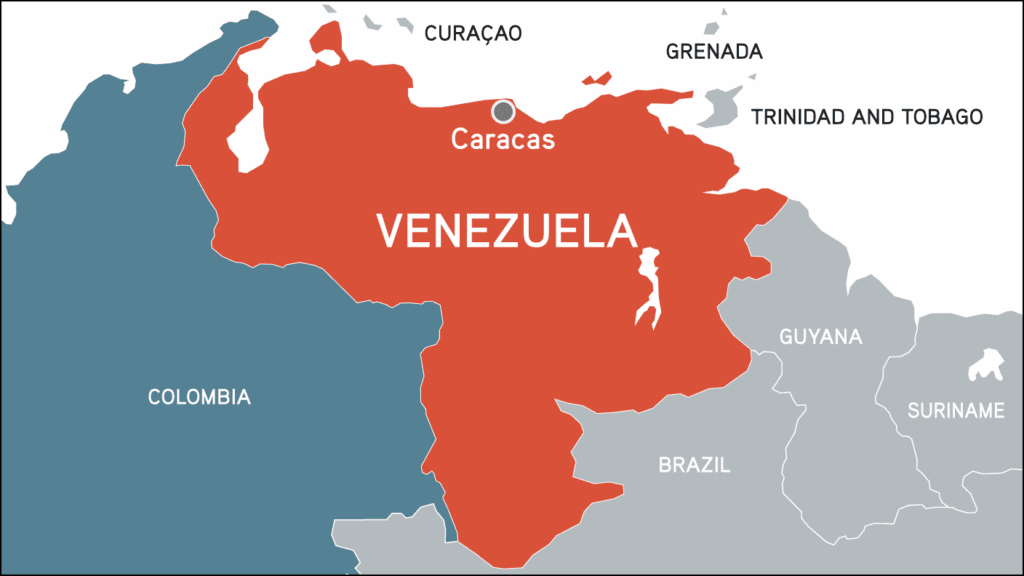
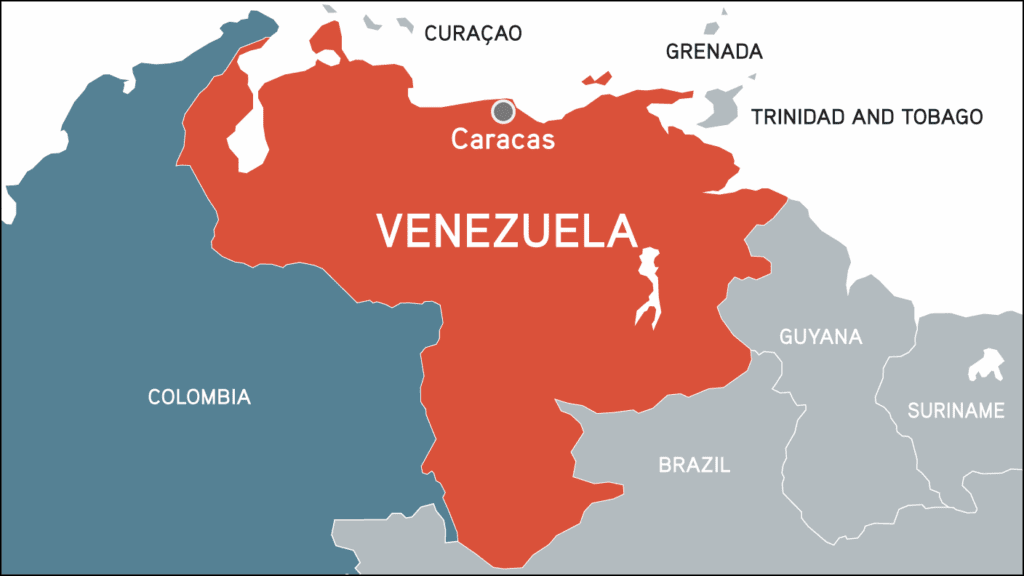
    Venezuela, officially the Bolivarian Republic of Venezuela, is a country on the northern coast of South America, bordered by the Caribbean Sea and Atlantic Ocean to the north, Guyana to the east, Brazil to the south, and Colombia to the west and southwest. Its capital and largest city is Caracas. Venezuela also administers several Caribbean islands and archipelagos, including Margarita Island and Los Roques.

    With a population of roughly 34 million people (2025 estimate), Venezuela is a culturally diverse nation shaped by Indigenous, African, and European influences. Spanish is the official language, and Roman Catholicism is the dominant religion.


    ๐Ÿงญ Historical Background

    Pre-Colonial and Colonial Era

    Long before Spanish arrival in 1498, the region was inhabited by Indigenous groups, including Arawak and Carib peoples. After Christopher Columbus reached the area under the Spanish flag, Venezuela became part of the Spanish Empire, centered around extractive colonial institutions.

    Independence and Early Republic

    Venezuela was among the first Spanish colonies in the Americas to seek independence. After protracted military campaigns, the country formally broke from Spain in the early 19th century, laying the foundation for republican institutions โ€” though this period was marked by recurring instability, caudillo leadership, and regional power struggles.

    20th Century: Oil and Transformation

    The discovery of oil in the early 20th century transformed Venezuelaโ€™s economy and global role. By the mid-1900s, petroleum revenues helped modernize infrastructure and urbanize society. Venezuela became one of Latin Americaโ€™s most prosperous nations and, for a period in the 1950s and 1970s, one of the worldโ€™s wealthiest in GDP per capita terms.

    In 1958, a democratic transition ended decades of military rule, ushering in a period of relative political stability and democratic competition โ€” unusual in the region at the time.


    ๐Ÿ›๏ธ Politics and Governance

    Bolivarian Revolution and Chรกvez

    The late 20th century was marked by recurrent economic crises and disappointment with traditional political parties. In 1998, Hugo Chรกvez, a charismatic former army officer, was elected president and launched the Bolivarian Revolution, named after Venezuelan independence hero Simรณn Bolรญvar. This movement aimed to redistribute wealth, expand social programs, and reduce U.S. influence. Chรกvez drafted a new constitution in 1999 that centralized executive powers, expanded state control of key sectors (especially oil), and rebranded the nation as the Bolivarian Republic of Venezuela.

    Maduro Era and Democratic Backsliding

    Chรกvezโ€™s successor, Nicolรกs Maduro, continued and intensified these policies after Chรกvezโ€™s death in 2013. Over time, Venezuelaโ€™s political system eroded democratic norms: elections were widely criticized as neither free nor fair, opposition figures were harassed or barred, and checks and balances weakened considerably. Many observers now describe Venezuelaโ€™s governance as authoritarian, despite its nominal republican structures.

    Corruption has been endemic, with Venezuela ranking among the most corrupt countries globally according to major indices. This has deeply weakened state institutions, undermined economic performance, and eroded public trust.


    ๐Ÿ“‰ Economic Rise and Collapse

    Oil Dependency and Early Prosperity

    Venezuela has the largest proven oil reserves in the world, estimated at around 303 billion barrels. For much of the 20th century, oil export revenue funded social programs and infrastructure growth and helped fuel economic expansion.

    For decades, oil accounted for the vast majority of government revenue and export receipts, creating deep dependency. When global oil prices were high, the economy boomed; when prices fell, fiscal strain intensified. This โ€œresource curseโ€ dynamic became more acute over time.

    Collapse of the Economy (2014โ€“Present)

    From around 2014 onwards, Venezuelaโ€™s economy imploded due to a combination of mismanagement, falling oil prices, corruption, and increasingly severe international sanctions. GDP contracted sharply, public services deteriorated, and hyperinflation ravaged living standards โ€” among the worst in modern history.

    Annual inflation skyrocketed in preceding years, reaching levels that made the bolรญvar nearly worthless, with widespread shortages of food, medicine, electricity, and basic goods. Even before 2026, poverty and displacement reached historic heights, with millions of Venezuelans fleeing the country over roughly a decade.

    Attempts at economic reforms, including partial market-oriented measures in the early 2020s, brought some stabilization, but structural weaknesses remained.

    Oil Industry Decline

    Despite having enormous reserves, Venezuelaโ€™s oil production plunged from a peak of over 3.5 million barrels per day in the late 1990s to well below 1 million by the mid-2020s. Causes include technical difficulties, mismanagement, sanctions, lack of investment, and an exodus of skilled workers after major changes at the state oil company PDVSA.


    ๐Ÿ“Œ Contemporary Political Crisis (2025โ€“2026)

    A defining recent event occurred in January 2026, when the United States conducted a military operation in Caracas and captured President Nicolรกs Maduro along with his wife โ€” a development that shocked the international community. The U.S. justified the intervention under allegations of โ€œnarco-terrorismโ€ and long-standing disputes over Venezuelaโ€™s oil assets, while critics condemned the move as illegal and imperialist.

    Following Maduroโ€™s capture, Delcy Rodrรญguez was installed as interim president with U.S. backing โ€” a controversial transition that deepened global divides. The U.S. has signaled plans to aid in revitalizing Venezuelaโ€™s energy sector by involving American companies in oil production, while maintaining pressure on political reform.

    Economically, sanctions and partial blockades have further destabilized Venezuelaโ€™s financial system, causing currency devaluation and renewed inflationary pressures in early 2026.

    International reaction has been mixed: some governments and human rights advocates criticize the legitimacy of the intervention, while others support efforts toward a transitional government and free elections. Venezuelaโ€™s future direction โ€” whether towards democratic reforms, continued instability, or contested governance โ€” remains uncertain.


    ๐Ÿง‘โ€๐Ÿคโ€๐Ÿง‘ Society and Culture

    Despite prolonged turmoil, Venezuela retains a rich cultural heritage. Venezuelan music, dance, literature, and culinary traditions reflect a blend of Indigenous, African, and Spanish influences. Staples like arepas (cornmeal patties), cachapas, and sancocho (stew) are iconic elements of the national cuisine, while musical genres such as salsa, merengue, and joropo showcase lively rhythms and artistic diversity.

    The crisis, however, has had devastating social effects: widespread poverty, shortages of essential services, and mass emigration have reshaped Venezuelan communities at home and abroad.


    ๐Ÿ“ Foreign Relations and Global Context

    Venezuelaโ€™s foreign policy has traditionally aligned with several non-Western states and left-leaning governments, cultivating ties with Russia, China, Iran, and Cuba in sectors ranging from energy to security cooperation. Venezuala was a founding member of the International Monetary Fund in 1946 but has had an uneven relationship with international financial institutions amid its economic crises.

    Relations with the United States were historically contentious, marked by disputes over oil nationalization, trade sanctions, and diplomatic standoffs โ€” culminating in the dramatic events of early 2026.


    ๐Ÿงพ Conclusion: A Nation at a Crossroads

    Venezuelaโ€™s story is one of dramatic contrasts: from oil boom prosperity to near-state collapse; from democratic promise to authoritarian drift; from global economic relevance to humanitarian crisis. Its future trajectory will depend on how political transitions unfold, whether comprehensive economic reforms are implemented, and how the Venezuelan people โ€” many of whom now live abroad โ€” engage with national rebuilding.

    Despite immense challenges, Venezuela remains a country of vast natural wealth, deep cultural roots, and significant geopolitical importance. Its next chapter could redefine not just its own destiny but also influence broader debates about governance, resource management, and international engagement in the 21st century.


  • About Greater Noida

    About Greater Noida


    Greater Noida: A Modern City of Opportunities and Growth

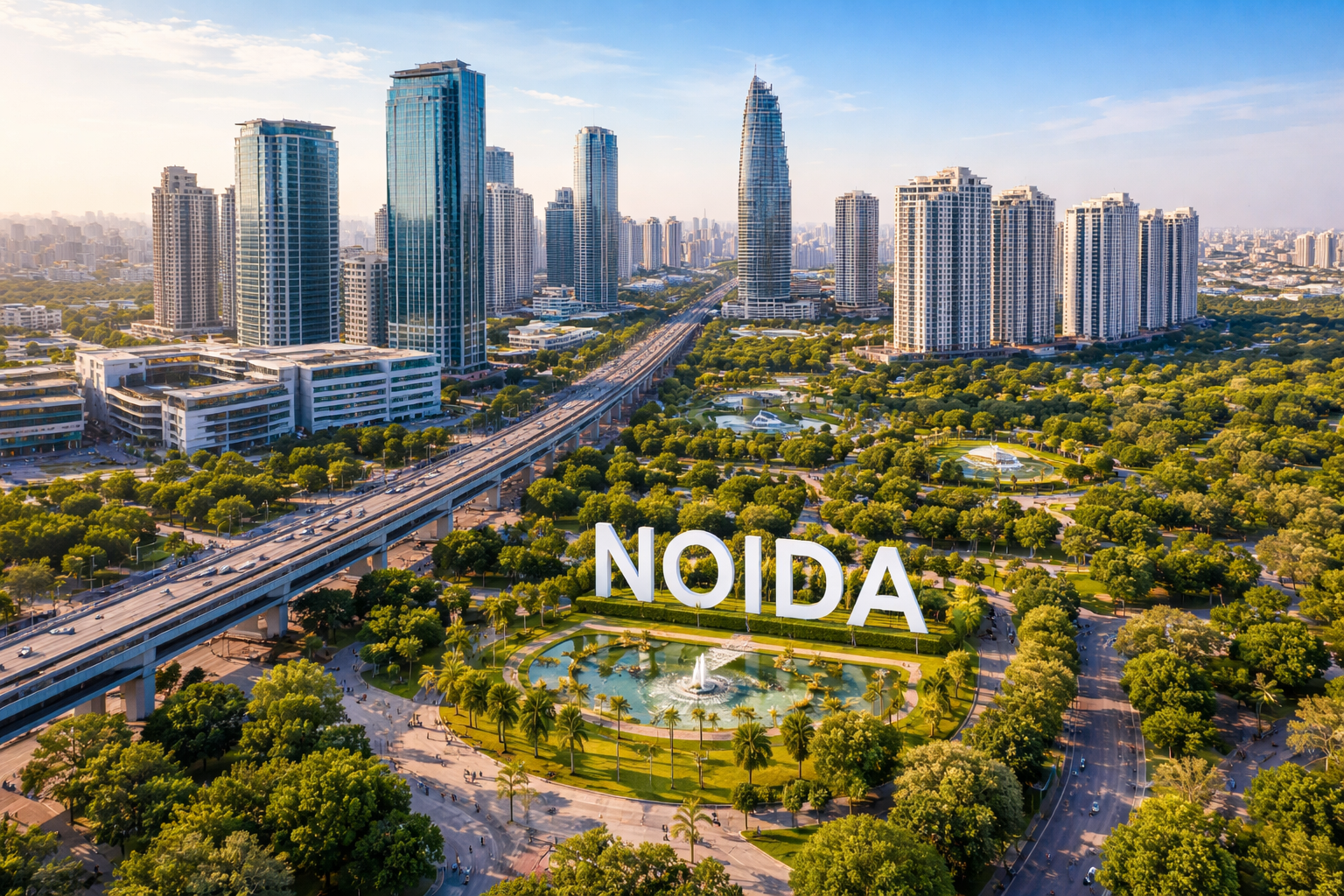
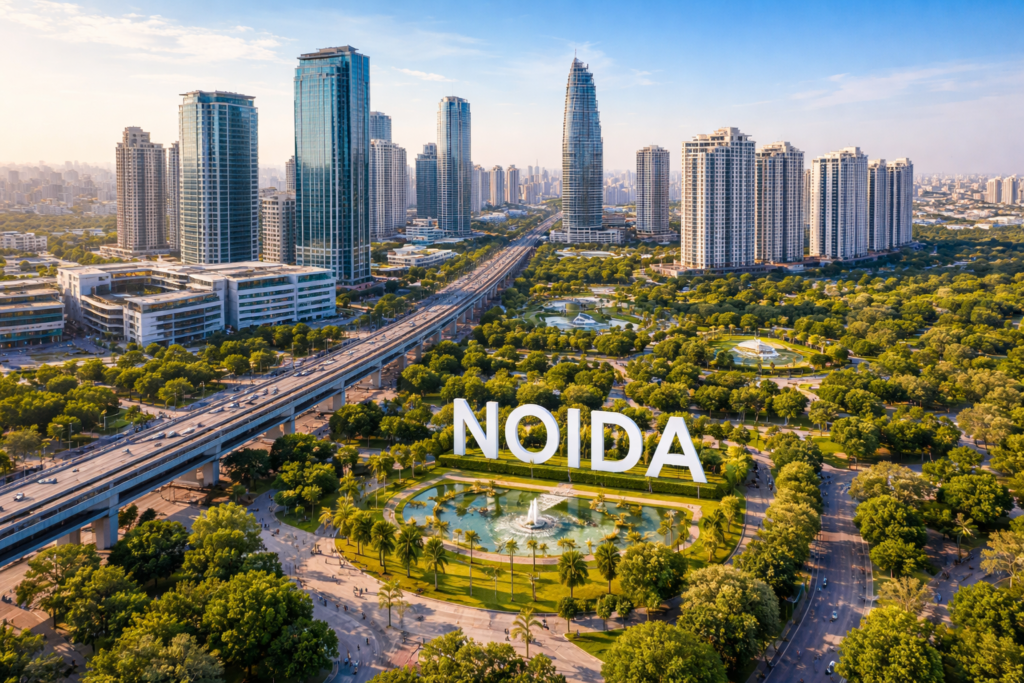
    Noida, officially known as New Okhla Industrial Development Authority, is one of the most prominent and rapidly developing cities in India. Located in the Gautam Buddh Nagar district of Uttar Pradesh, Noida forms an important part of the National Capital Region (NCR) and lies adjacent to Delhi. Over the past few decades, Noida has transformed from a planned industrial township into a major hub of information technology, education, real estate, media, and modern urban living. Today, it stands as a symbol of Indiaโ€™s fast-paced urbanization and economic progress.

    Historical Background and Establishment

    Noida was established in 1976 under the Uttar Pradesh Industrial Area Development Act. Its primary objective was to reduce the burden on Delhi by promoting industrial and commercial development in nearby regions. The city derives its name from โ€œNew Okhla Industrial Development Authority,โ€ reflecting its planned and administrative origins. Unlike many older Indian cities that evolved organically, Noida was developed with modern urban planning principles, wide roads, designated residential and industrial sectors, and green spaces.

    Geography and Connectivity

    Geographically, Noida is situated on the eastern banks of the Yamuna River and enjoys a flat terrain that has supported systematic development. One of Noidaโ€™s greatest strengths is its excellent connectivity. It is well connected to Delhi, Ghaziabad, Greater Noida, Faridabad, and Gurgaon through an extensive network of roads, expressways, and metro lines.

    The Delhi Metro plays a crucial role in Noidaโ€™s daily life, making commuting easy and affordable. Major roads such as the Noida-Greater Noida Expressway, DND Flyway, Yamuna Expressway, and the upcoming Jewar International Airport have significantly enhanced the cityโ€™s accessibility. These transport facilities have made Noida an attractive destination for businesses and residents alike.

    Economic and Industrial Development

    Noida is widely recognized as one of Indiaโ€™s leading industrial and IT hubs. The city houses numerous multinational companies, IT firms, software parks, and corporate offices. Sectors like information technology, electronics manufacturing, automobiles, pharmaceuticals, and startups thrive here. Areas such as Sector 62, Sector 63, and Sector 135 are well-known for their IT parks and corporate campuses.

    In addition to IT, Noida has also emerged as a major media and entertainment hub. Several national news channels, production houses, and digital media companies operate from the city, earning it the nickname โ€œMedia Capital of India.โ€ This diverse economic base provides employment opportunities to people from across the country.

    Education and Research

    Noida has developed into an important center for education and research. It hosts several reputed schools, colleges, and universities that attract students from different states and even abroad. Institutions such as Amity University, Jaypee Institute of Information Technology, and various engineering, management, and medical colleges contribute to the cityโ€™s academic environment.

    Apart from higher education, Noida also offers quality schooling options, including CBSE, ICSE, IB, and international curriculum schools. The presence of educational institutions has played a significant role in shaping Noida as a youth-friendly and knowledge-driven city.

    Residential Life and Urban Infrastructure

    One of the defining features of Noida is its modern residential infrastructure. The city offers a wide range of housing options, from affordable apartments to luxury high-rise societies and villas. Well-planned sectors, gated communities, parks, and recreational facilities ensure a comfortable urban lifestyle.

    Noida is also known for its cleanliness and greenery compared to many other metropolitan cities. Numerous parks, green belts, and open spaces provide residents with areas for relaxation and outdoor activities. The city administration has focused on maintaining wide roads, proper drainage systems, and reliable electricity and water supply.

    Culture, Lifestyle, and Recreation

    Although Noida is a relatively young city, it boasts a vibrant and cosmopolitan culture. People from different regions, religions, and backgrounds live together, contributing to a diverse social fabric. Festivals such as Diwali, Holi, Eid, Christmas, and Gurpurab are celebrated with enthusiasm.

    Noida offers various shopping malls, multiplexes, restaurants, cafรฉs, and entertainment centers, making it a popular destination for leisure activities. Prominent malls like DLF Mall of India, The Great India Place, and Gardens Galleria attract visitors from across the NCR. The city also has sports complexes, golf courses, and cultural centers that promote an active lifestyle.

    Governance and Administration

    Noida is governed by the Noida Authority, which oversees urban planning, infrastructure development, and civic amenities. The planned nature of governance has helped the city maintain better organization compared to many older urban centers. However, like any growing city, Noida faces challenges such as traffic congestion, pollution, and population pressure, which require continuous planning and sustainable solutions.

    Challenges and Future Prospects

    Despite its many achievements, Noida faces certain challenges. Rapid urbanization has led to traffic congestion, rising real estate prices, environmental concerns, and pressure on public services. Air pollution, particularly during winter months, is a serious issue shared with other NCR cities.

    However, the future of Noida appears promising. Projects such as the Noida International Airport at Jewar, expansion of metro lines, smart city initiatives, and increased focus on green and sustainable development are expected to further boost the cityโ€™s growth. With proper planning and responsible governance, Noida has the potential to become one of Indiaโ€™s most livable and economically powerful cities.

    Conclusion

    In conclusion, Noida represents the spirit of modern Indiaโ€”dynamic, ambitious, and forward-looking. From its origins as an industrial township to its present status as a major economic, educational, and residential hub, Noida has come a long way. Its strategic location, robust infrastructure, diverse economy, and quality of life make it an important city in the National Capital Region. While challenges remain, Noidaโ€™s planned development and future projects position it as a city of opportunities, innovation, and sustainable growth.


  • An Essay On Ranchi the modern City Of Jharkhand

    An Essay On Ranchi the modern City Of Jharkhand


    Ranchi: The City of Waterfalls and Natural Beauty

    Ranchi, the capital city of Jharkhand, is one of the most beautiful and unique cities in eastern India. Known as the โ€œCity of Waterfallsโ€ and โ€œHill City of Jharkhand,โ€ Ranchi is famous for its lush green landscapes, scenic hills, pleasant climate, rich tribal culture, and historical significance. Surrounded by forests, rivers, and rocky terrain, Ranchi offers a perfect blend of natural beauty, cultural heritage, and modern development.

    Geographical Location and Climate

    Ranchi is located on the Chota Nagpur Plateau, at an average elevation of about 651 meters above sea level. This plateau region gives Ranchi a relatively cooler and more pleasant climate compared to many other cities in eastern India. Summers are mild, winters are cool, and the monsoon season brings refreshing rainfall that enhances the greenery of the region.

    The city is blessed with several rivers such as the Subarnarekha, South Koel, and Damodar, which contribute to its numerous waterfalls. Because of its natural setting, Ranchi has long been considered a peaceful retreat away from the heat and chaos of the plains.

    Historical Background

    Ranchi has a rich historical past. In ancient times, it was part of the Magadha Empire and later came under the rule of various dynasties. During the medieval period, the region was controlled by local tribal chiefs. In the colonial era, Ranchi gained importance under British rule and was developed as a hill station and administrative center.

    One of the most significant chapters in Ranchiโ€™s history is its association with Birsa Munda, the legendary tribal freedom fighter. Birsa Munda led a powerful movement against British exploitation and fought for tribal rights and dignity. Ranchi holds deep respect for his legacy, and his memorials and institutions continue to inspire people today.

    Tribal Culture and Heritage

    Ranchi is the cultural heart of Jharkhand and is deeply rooted in tribal traditions. The state is home to many tribal communities such as the Munda, Oraon, Santhal, Ho, and Kharia tribes. These communities have preserved their unique languages, customs, dances, music, and festivals for centuries.

    Tribal festivals like Sarhul, Karma, Sohrai, and Tusu are celebrated with great enthusiasm in Ranchi. Traditional dance forms, accompanied by drums like the mandar and dhol, reflect a close connection with nature. The tribal lifestyle emphasizes harmony with forests, land, and rivers, making Ranchi culturally distinct from other Indian cities.

    Natural Attractions and Waterfalls

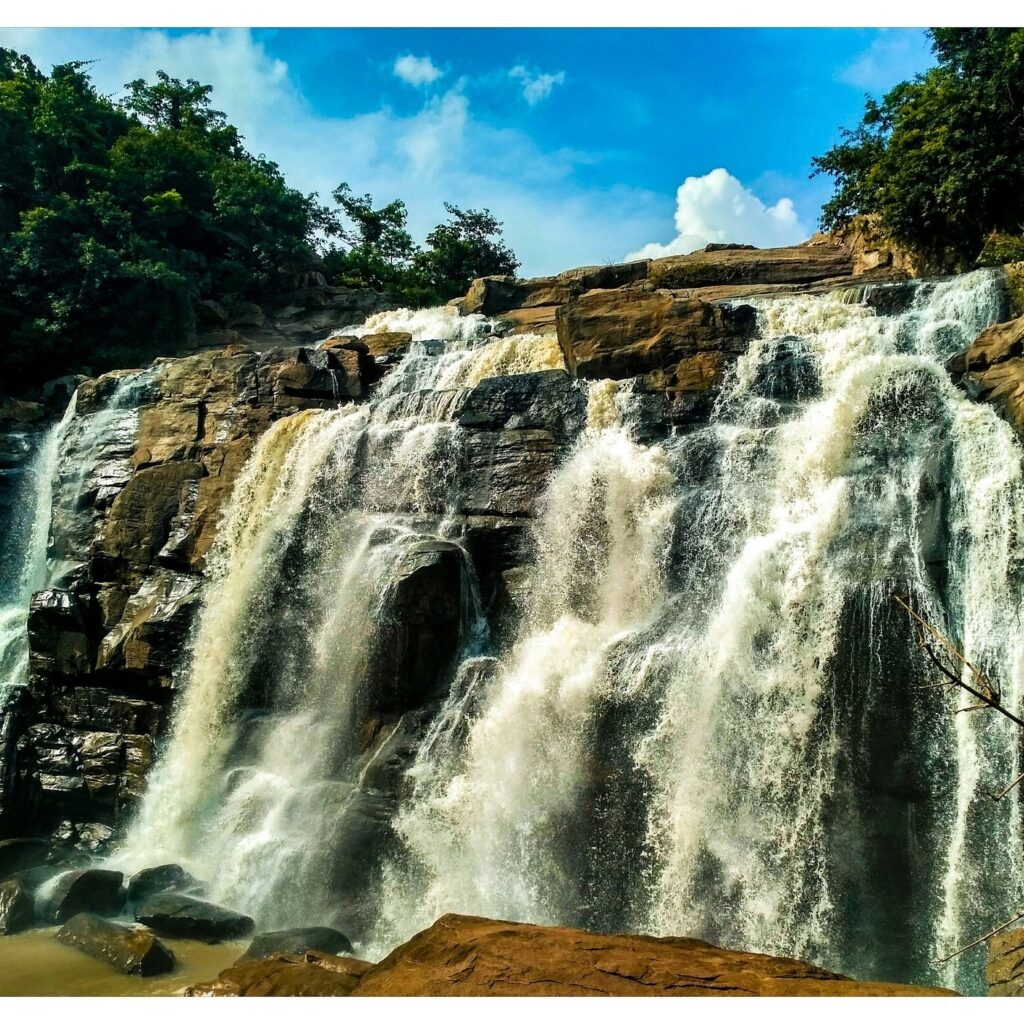
    Ranchi is renowned for its breathtaking natural attractions, especially its waterfalls. Some of the most famous waterfalls include:

    • Hundru Falls โ€“ One of the highest waterfalls in Jharkhand, formed by the Subarnarekha River.
    • Dassam Falls โ€“ A spectacular waterfall near Ranchi, especially powerful during the monsoon.
    • Jonha (Gautamdhara) Falls โ€“ Known for its scenic beauty and steps leading down to the base.
    • Panchghagh Falls โ€“ A group of five waterfalls on the Damodar River.

    Apart from waterfalls, Ranchi also offers attractions like Rock Garden, Patratu Valley, Birsa Zoological Park, and Ranchi Lake, which attract tourists throughout the year.

    Religious and Spiritual Importance

    Ranchi is home to several important religious sites. The Jagannath Temple located on a hilltop offers panoramic views of the city and is a major pilgrimage site. Rajrappa Chhinnamasta Temple, located at the confluence of Damodar and Bhairavi rivers, is another prominent spiritual destination near Ranchi.

    The city also has churches, mosques, gurudwaras, and temples, reflecting religious harmony and diversity. Ranchi has a significant Christian population, and beautiful churches add to the cityโ€™s cultural fabric.

    Education and Institutions

    Ranchi is an important educational hub in eastern India. It hosts several prestigious institutions such as:

    • Birla Institute of Technology (BIT), Mesra
    • Indian Institute of Management (IIM) Ranchi
    • Rajendra Institute of Medical Sciences (RIMS)
    • Central University of Jharkhand

    These institutions attract students from across the country, contributing to Ranchiโ€™s intellectual and professional growth. The city is also known for producing talented athletes, administrators, and professionals.

    Economy and Development

    Ranchiโ€™s economy is primarily based on administration, education, mining, and services. As the capital of Jharkhand, it houses major government offices and administrative institutions. The region around Ranchi is rich in minerals such as coal, iron ore, and bauxite, which play a vital role in the stateโ€™s economy.

    In recent years, Ranchi has witnessed steady urban development. Improved road connectivity, shopping malls, healthcare facilities, and residential projects have transformed the city while still preserving its natural charm.

    Sports and Famous Personalities

    Ranchi gained international recognition as the hometown of Mahendra Singh Dhoni, former captain of the Indian cricket team and one of the greatest cricketers in the world. His success brought immense pride to the city and inspired many young athletes.

    The city has a strong sports culture, especially in hockey, football, archery, and athletics. Jharkhand has produced many national and international-level players, particularly from tribal communities.

    Tourism and Lifestyle

    Tourism plays an important role in Ranchiโ€™s identity. The city attracts nature lovers, adventure enthusiasts, spiritual seekers, and cultural explorers. The peaceful environment, clean air, and scenic surroundings make Ranchi an ideal destination for relaxation and eco-tourism.

    Life in Ranchi is relatively calm compared to metropolitan cities. The cost of living is moderate, and people enjoy a simple yet comfortable lifestyle. Traditional markets, local cuisine, and tribal handicrafts add to the cityโ€™s charm.

    Conclusion

    Ranchi is a city where nature, culture, history, and modernity coexist harmoniously. From its cascading waterfalls and green hills to its rich tribal heritage and growing urban infrastructure, Ranchi stands out as one of Indiaโ€™s most naturally gifted cities. It is not just the capital of Jharkhand but also a symbol of cultural pride, natural beauty, and peaceful living.

    With ongoing development and increasing recognition, Ranchi continues to grow while maintaining its unique identity. Whether as a tourist destination, an educational hub, or a cultural center, Ranchi holds a special place in the heart of eastern India and promises a bright and sustainable future.


  • An Essay On Bokaro The Steel City Of India

    An Essay On Bokaro The Steel City Of India


    Bokaro: The Steel City of Jharkhand

    Bokaro, officially known as Bokaro Steel City, is one of the most important industrial cities in the Indian state of Jharkhand. Renowned for its large steel plant, planned urban design, and multicultural population, Bokaro stands as a symbol of Indiaโ€™s industrial growth and self-reliance. Located on the banks of the Damodar River and surrounded by hills and forests, Bokaro beautifully blends industrial development with natural surroundings.

    Historical Background

    The history of Bokaro is closely associated with the development of the Bokaro Steel Plant (BSL). Before independence, Bokaro was a small region of villages and forests. After India gained independence, the government focused on building heavy industries to strengthen the nationโ€™s economy. In 1959, Bokaro was selected as the site for a major steel plant under Indiaโ€™s Second Five-Year Plan.

    The Bokaro Steel Plant was established with the help of the former Soviet Union, marking an important chapter in Indo-Soviet cooperation. Construction began in the early 1960s, and the city gradually developed around the plant. Over time, Bokaro transformed into a well-planned industrial township and became one of Indiaโ€™s leading steel-producing centers

    Geographic Location and Climate

    Bokaro is located in the eastern part of Jharkhand and is surrounded by districts like Dhanbad, Ramgarh, Giridih, and Hazaribagh. The Damodar River flows near the city and plays a crucial role in water supply and irrigation.

    The climate of Bokaro is moderate. Summers can be hot, with temperatures reaching around 40ยฐC, while winters are pleasant and cool, with temperatures sometimes dropping below 10ยฐC. The monsoon season brings moderate rainfall, which supports agriculture and greenery in the region.

    Bokaro Steel Plant: The Backbone of the City

    The Bokaro Steel Plant, operated by the Steel Authority of India Limited (SAIL), is the heart of the city. It is one of the largest steel plants in India and produces a wide range of steel products used in construction, railways, automobiles, defense, and heavy engineering.

    The plant has modern facilities such as blast furnaces, coke oven batteries, rolling mills, and power plants. It is also known for its commitment to modernization, quality improvement, and environmental management. The presence of the steel plant has created employment opportunities for thousands of people and has contributed significantly to the economic growth of Jharkhand.

    Planned City and Infrastructure

    Bokaro is among the few planned cities in India. The city is divided into well-organized sectors, each equipped with residential areas, markets, schools, hospitals, parks, and community centers. Wide roads, green belts, and proper drainage systems make Bokaro a clean and comfortable place to live.

    The city has good connectivity through rail and road networks. Bokaro Steel City Railway Station connects it to major cities like Ranchi, Kolkata, Patna, Delhi, and Mumbai. National and state highways link Bokaro with nearby industrial and mining regions.

    Education and Institutions

    Education is an important strength of Bokaro. The city has several reputed schools, colleges, and technical institutions. Prominent schools such as Delhi Public School, Chinmaya Vidyalaya, and DAV Public School provide quality education. Bokaro is also home to engineering colleges, ITIs, and management institutes that support technical and professional education.

    These institutions attract students from nearby districts and contribute to the cityโ€™s intellectual and cultural growth.

    Culture and Society

    Bokaro is a multicultural city with people from different parts of India living together. Communities speaking Hindi, Bengali, Bhojpuri, Maithili, Urdu, and tribal languages coexist harmoniously. This diversity is reflected in the cityโ€™s festivals, food, and traditions.

    Major festivals like Diwali, Holi, Durga Puja, Chhath Puja, Eid, Christmas, and Sarhul are celebrated with enthusiasm. Bokaroโ€™s social harmony and cultural unity make it a peaceful and welcoming city.

    Tourist Attractions and Recreation

    Though primarily an industrial city, Bokaro has several attractive places for recreation and tourism. City Park, one of the largest parks in Asia, is a major attraction with lush greenery, walking tracks, and boating facilities. Garga Dam is another popular picnic spot offering scenic beauty and water activities.

    Religious places like Jagannath Temple, Byathut Hanuman Temple, and various mosques and churches add spiritual significance to the city. Shopping complexes, cinemas, sports stadiums, and clubs provide entertainment and leisure options for residents.

    Economy Beyond Steel

    While steel production remains the backbone of Bokaroโ€™s economy, other sectors are gradually developing. Small-scale industries, trade, education, healthcare, and service sectors are expanding. The presence of nearby coalfields and industrial towns further strengthens the regional economy.

    Efforts are being made to diversify Bokaroโ€™s economic base and promote entrepreneurship, skill development, and sustainable industries.

    Challenges and Future Prospects

    Like many industrial cities, Bokaro faces challenges such as pollution, urban expansion, and employment diversification. However, modernization of the steel plant, investment in green technologies, and development of infrastructure are helping address these issues.

    With its strong industrial foundation, skilled workforce, and improving quality of life, Bokaro has great potential for future growth. Smart city initiatives, environmental conservation, and industrial innovation can further transform Bokaro into a modern and sustainable city.

    Conclusion

    Bokaro is much more than just a steel city. It represents Indiaโ€™s journey toward industrial self-sufficiency and planned urban development. With its rich industrial heritage, cultural diversity, educational institutions, and natural beauty, Bokaro holds a unique place in Jharkhand and the nation. As it continues to evolve, Bokaro stands as a symbol of progress, resilience, and unity.