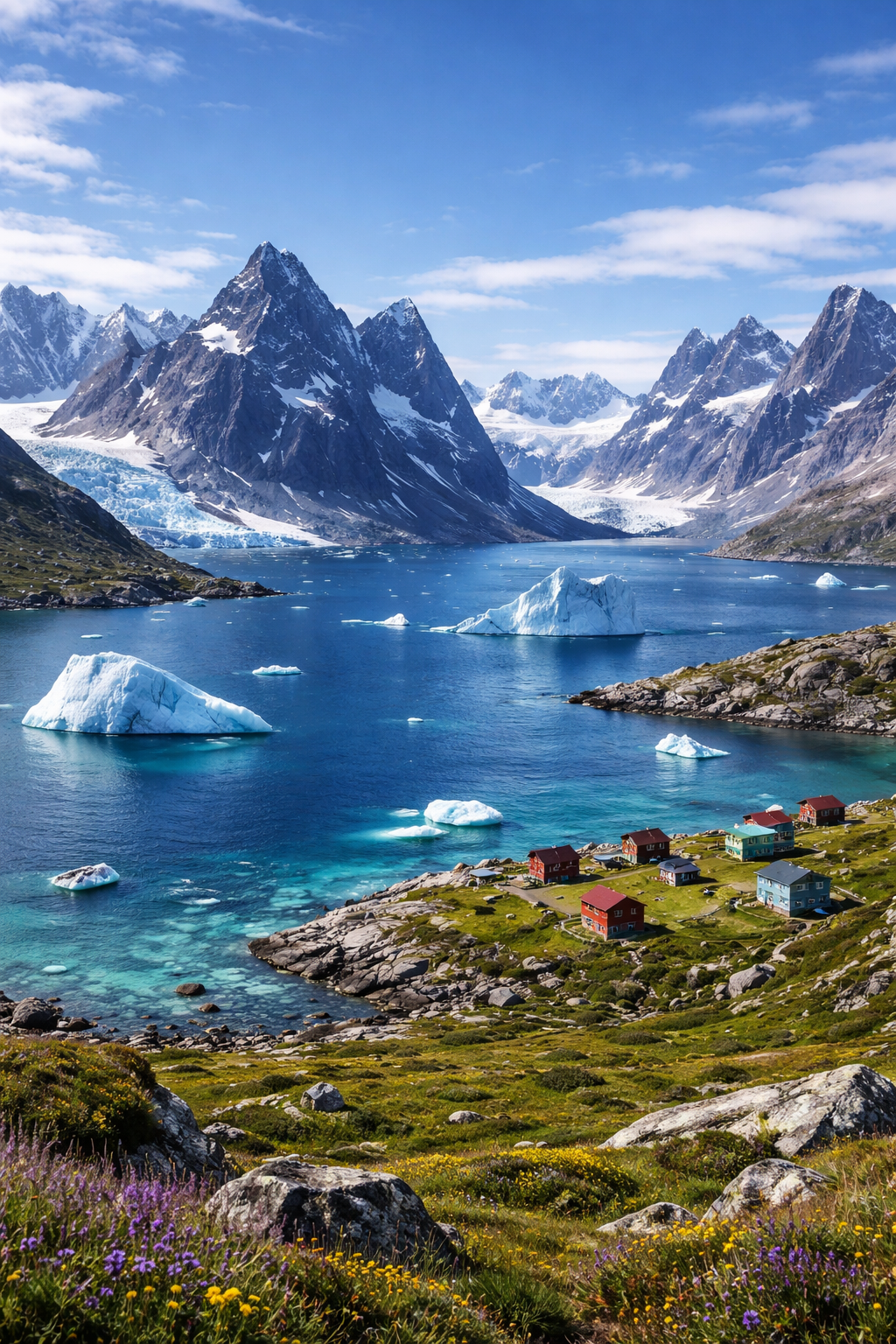
Manali, nestled in the majestic Himalayas of Himachal Pradesh, is one of India’s most beloved hill stations. Perched at an altitude of about 2,050 meters (6,726 feet) above sea level, Manali lies along the banks of the Beas River and is surrounded by snow-capped peaks, dense pine and deodar forests, apple orchards, and rolling meadows. Over the decades, it has evolved from a quiet mountain hamlet into a vibrant tourist destination, attracting honeymooners, adventure seekers, backpackers, spiritual travelers, and nature lovers alike. The charm of Manali lies in its ability to offer serenity and thrill in equal measure.
Geographic Setting and Climate
Manali is located in the Kullu district of Himachal Pradesh and forms part of the upper Kullu Valley. The town is set against the dramatic backdrop of the Pir Panjal and Dhauladhar ranges of the Himalayas. The Beas River, originating from the Beas Kund glacier, flows gracefully through the valley, lending life and beauty to the region.
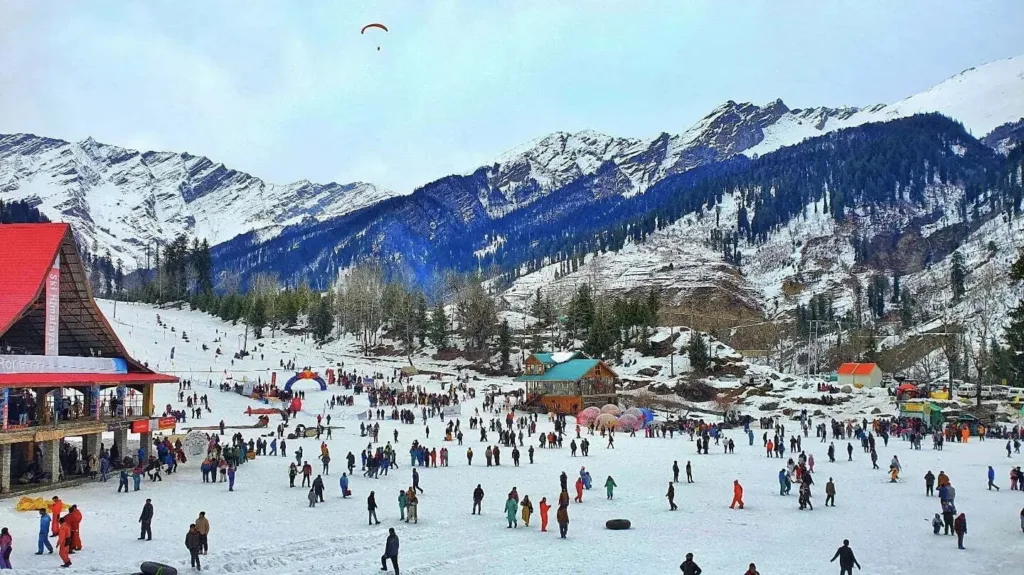
The climate of Manali is largely cool and pleasant, though it varies sharply with the seasons. Summers (March to June) are mild, with temperatures ranging between 10°C and 25°C, making it a popular escape from the scorching heat of the plains. Monsoons (July to September) bring moderate to heavy rainfall, enhancing the greenery but sometimes causing landslides. Winters (October to February) are cold, with temperatures often dropping below freezing, and heavy snowfall transforms Manali into a winter wonderland. This seasonal diversity makes Manali a year-round destination.
Historical Background
Historically, Manali was an important stop on ancient trade routes connecting India with Central Asia, Tibet, and Ladakh. The region finds mention in Hindu mythology as well. According to legend, Manali is named after Manu, the progenitor of mankind in Hindu belief. It is said that Manu stepped off his ark here after a great flood and recreated human life, giving Manali the name “Manu-Alaya,” meaning “the abode of Manu.”
Over centuries, the area was ruled by local chieftains and later came under the influence of various Himalayan kingdoms. During British rule, Manali gained popularity as a retreat due to its pleasant climate. Today, while modern tourism dominates its economy, echoes of its ancient and medieval past can still be felt in its temples, traditions, and folklore.
Cultural Life and Traditions
The culture of Manali is deeply rooted in Himachali traditions. The local population primarily consists of ethnic groups such as the Kullvis, with strong influences of Tibetan culture as well. Festivals play a central role in community life. Dussehra, celebrated with great enthusiasm in nearby Kullu, is one of the most significant festivals of the region, featuring colorful processions, traditional music, and folk dances.
The people of Manali are known for their warmth and hospitality. Traditional attire includes woolen garments like shawls, caps, and coats, reflecting the cold climate. Handicrafts such as woolen rugs, caps, and wooden carvings are integral to local culture and serve as popular souvenirs for visitors.
Major Attractions
Hadimba Devi Temple
One of the most iconic landmarks of Manali, the Hadimba Devi Temple, is dedicated to Hidimba, a character from the Mahabharata. Built in 1553, the temple is known for its unique wooden architecture and pagoda-style roof. Surrounded by tall cedar trees, it exudes a tranquil and mystical atmosphere.
Solang Valley
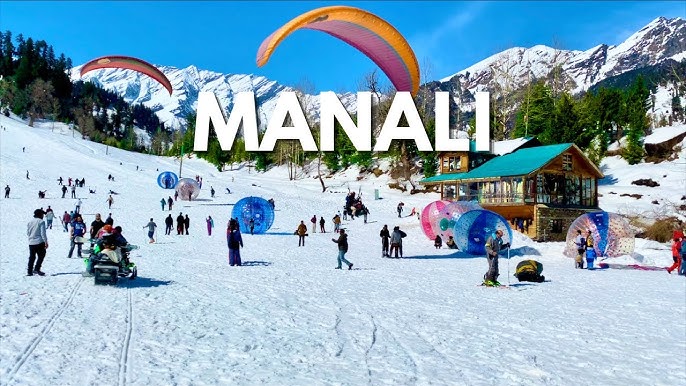
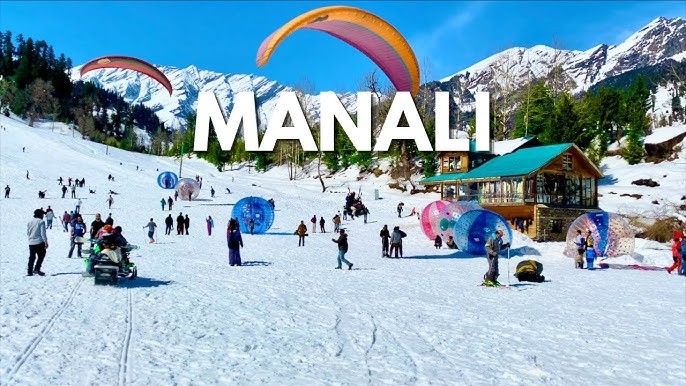
Located about 13 kilometers from Manali, Solang Valley is a hub for adventure sports. During winter, it becomes a skiing paradise, while summer offers activities like paragliding, zorbing, and horse riding. The scenic beauty of the valley, with snow-covered peaks and lush greenery, makes it a favorite among tourists.
Rohtang Pass
At an altitude of around 3,978 meters, Rohtang Pass connects the Kullu Valley with Lahaul and Spiti. Open only for a few months each year due to heavy snowfall, it offers breathtaking views of glaciers, mountains, and valleys. Rohtang is especially popular for snow activities and photography.
Old Manali
Old Manali presents a stark contrast to the bustling Mall Road area. With its narrow lanes, rustic houses, cafes, and apple orchards, it attracts backpackers and travelers seeking a laid-back vibe. The area is known for its bohemian culture and international crowd.
Vashisht Hot Springs
The village of Vashisht, located near Manali, is famous for its natural hot water springs, believed to have medicinal properties. Temples dedicated to sage Vashisht and Lord Rama add spiritual significance to the place.
Adventure and Outdoor Activities
Manali is often referred to as the adventure capital of Himachal Pradesh. The region offers a wide range of outdoor activities throughout the year. Trekking routes such as the Hampta Pass, Beas Kund, and Bhrigu Lake attract trekkers from across the globe. River rafting on the Beas River provides an adrenaline rush, especially during the summer months.
During winter, skiing, snowboarding, and snowmobiling draw thrill-seekers, while mountain biking and camping are popular in warmer seasons. These activities not only enhance the tourist experience but also contribute significantly to the local economy.
Flora, Fauna, and Natural Beauty
The natural environment of Manali is one of its greatest assets. Dense forests of pine, deodar, oak, and fir surround the town. In spring and summer, wildflowers bloom across the meadows, adding vibrant colors to the landscape. The region is home to diverse wildlife, including Himalayan monal (the state bird of Himachal Pradesh), snow leopards in higher altitudes, brown bears, and musk deer.
Efforts are being made to promote eco-tourism and sustainable practices to preserve this fragile Himalayan ecosystem, though increasing tourist footfall remains a challenge.
Cuisine of Manali
The cuisine of Manali reflects its mountainous setting and cultural influences. Traditional Himachali dishes such as siddu (steamed bread), madra (a yogurt-based curry), thukpa, and babru are popular among locals and visitors. Due to the influx of tourists, Manali also boasts a wide variety of cafes and restaurants serving Indian, Tibetan, Israeli, and continental cuisines.
Apple-based products like juices, jams, and ciders are widely enjoyed, as apple farming is a major agricultural activity in the region.
Tourism and Modern Development
Tourism is the backbone of Manali’s economy. Hotels, guesthouses, homestays, travel agencies, and adventure sports operators provide employment to a large section of the population. The town has seen rapid development in infrastructure, including improved road connectivity, healthcare facilities, and educational institutions.
However, this growth has also brought challenges such as traffic congestion, waste management issues, and environmental degradation. Balancing development with sustainability is crucial to preserving Manali’s natural and cultural heritage for future generations.
Conclusion
Manali is more than just a tourist destination; it is a harmonious blend of nature, culture, history, and adventure. Its snow-clad mountains, lush valleys, flowing rivers, and vibrant traditions make it a place that leaves a lasting impression on every visitor. Whether one seeks peace amid nature, spiritual solace, thrilling adventures, or cultural exploration, Manali offers something for everyone. As it continues to evolve with time, the true essence of Manali lies in respecting and protecting the pristine beauty that has made it one of India’s most cherished hill stations.