Agra – The City of Timeless Beauty
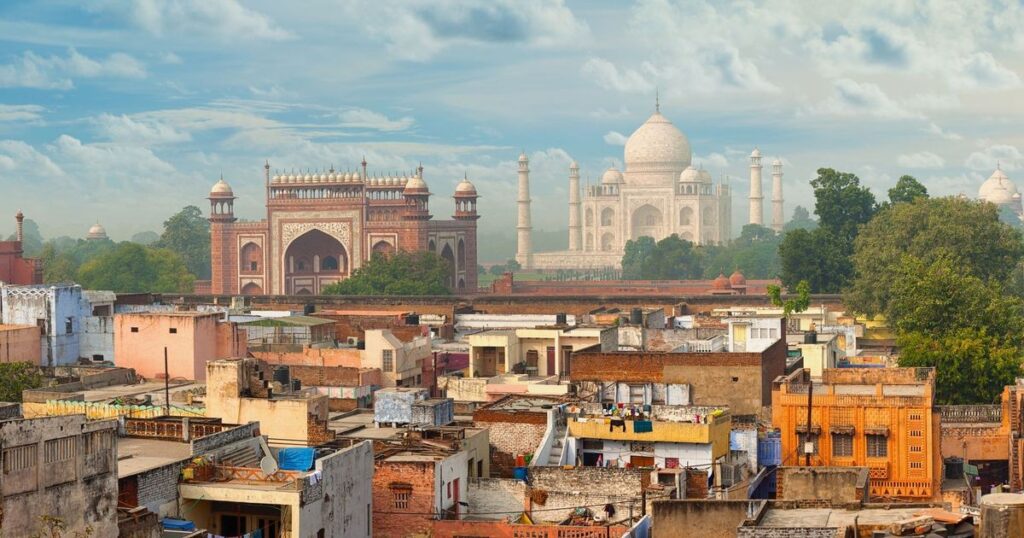
Agra is one of the most famous cities of India, known all over the world for its rich history, magnificent monuments, and cultural heritage. Located on the banks of the Yamuna River in the northern Indian state of Uttar Pradesh, Agra attracts millions of tourists every year. The city holds a special place in Indian history because it was a major center of the Mughal Empire. Agra is best known as the home of the Taj Mahal, one of the Seven Wonders of the World, which symbolizes love and architectural excellence.
Historical Background of Agra
The history of Agra dates back to ancient times, but it gained prominence during the Mughal period. Before the Mughals, Agra was ruled by various Rajput kings. In 1526, Babur, the founder of the Mughal Empire, defeated Ibrahim Lodi in the First Battle of Panipat and made Agra an important city of his empire. Later, Emperor Akbar established Agra as his capital in 1556. Under Akbar, Jahangir, and Shah Jahan, the city reached the height of its glory.
During the Mughal era, Agra became a center of art, culture, architecture, and administration. Many grand buildings, forts, mosques, and gardens were constructed during this time, which still stand as reminders of the city’s glorious past.
The Taj Mahal – Pride of Agra
The Taj Mahal is the most famous monument in Agra and one of the most beautiful structures in the world. It was built by Mughal Emperor Shah Jahan in memory of his beloved wife Mumtaz Mahal. Construction began in 1632 and took around 20 years to complete. Made of white marble, the Taj Mahal changes its color with the light of the day, appearing pinkish in the morning, bright white at noon, and golden under moonlight.
The Taj Mahal is admired for its perfect symmetry, intricate carvings, calligraphy, and precious stone inlay work. The monument stands as a symbol of eternal love and is a masterpiece of Mughal architecture. Because of its beauty and historical importance, the Taj Mahal is recognized as a UNESCO World Heritage Site.
Agra Fort – A Symbol of Power
Another important monument in Agra is the Agra Fort, also known as the Red Fort of Agra. Built mainly by Emperor Akbar in the 16th century, the fort is made of red sandstone and served as the main residence of the Mughal emperors for many years. The fort is a massive structure with high walls, grand gates, palaces, mosques, and audience halls.
Important buildings inside the fort include Jahangir Mahal, Diwan-i-Aam, Diwan-i-Khas, and Musamman Burj. From this tower, Shah Jahan spent his last years imprisoned by his son Aurangzeb, gazing at the Taj Mahal from afar. Agra Fort is also a UNESCO World Heritage Site and reflects the political and military strength of the Mughal Empire.
Other Famous Monuments
Apart from the Taj Mahal and Agra Fort, the city has many other historical and architectural attractions. Fatehpur Sikri, located about 40 kilometers from Agra, was once the capital of Emperor Akbar. The city is famous for Buland Darwaza, Jama Masjid, Panch Mahal, and the Tomb of Salim Chishti.
The Tomb of Itimad-ud-Daulah, often called the “Baby Taj,” is another beautiful monument. It is considered a precursor to the Taj Mahal and is known for its delicate marble work. Mehtab Bagh, a garden complex across the Yamuna River, offers a stunning view of the Taj Mahal, especially during sunset.
Culture and Traditions of Agra
Agra has a rich cultural heritage influenced by Mughal traditions. The city is known for its classical music, poetry, and art. Festivals like Diwali, Eid, Holi, and Taj Mahotsav are celebrated with great enthusiasm. Taj Mahotsav is an annual cultural festival that showcases India’s handicrafts, music, dance, and cuisine.
The people of Agra are known for their hospitality and warm nature. The city reflects a blend of Hindu and Muslim cultures, which can be seen in its festivals, architecture, and daily life.
Art, Handicrafts, and Cuisine
Agra is famous for its marble inlay work, leather goods, carpets, and handicrafts. Skilled artisans create beautiful decorative items inspired by Mughal designs. Marble souvenirs with semi-precious stone work are especially popular among tourists.
Agra’s cuisine is equally famous. The city is well known for its sweet dish, Petha, made from ash gourd. Other popular foods include Mughlai dishes such as biryani, kebabs, korma, and naan. Street food like chaat, bedai, and jalebi is also widely enjoyed by locals and visitors.
Education and Modern Development
Agra is not only a historical city but also an important center of education and modern development. It has several schools, colleges, and universities, including Dr. Bhimrao Ambedkar University. The city has developed infrastructure, industries, and tourism-related businesses, which contribute significantly to the local economy.
However, rapid urbanization and pollution pose challenges to the preservation of Agra’s monuments. Special measures are being taken by the government to protect the Taj Mahal from environmental damage, including restrictions on industrial activity near the monument.
Conclusion
Agra is a city where history comes alive through its magnificent monuments, rich culture, and timeless beauty. From the world-famous Taj Mahal to the grand Agra Fort and the silent ruins of Fatehpur Sikri, the city offers a deep insight into India’s glorious past. Agra perfectly blends tradition with modern life, making it an important cultural and tourist destination of India. Visiting Agra is not just a journey to a city, but a journey through time, love, and architectural brilliance that leaves a lasting impression on every visitor.
Leave a Reply