Bokaro: The Steel City of Jharkhand
Bokaro, officially known as Bokaro Steel City, is one of the most important industrial cities in the Indian state of Jharkhand. Renowned for its large steel plant, planned urban design, and multicultural population, Bokaro stands as a symbol of India’s industrial growth and self-reliance. Located on the banks of the Damodar River and surrounded by hills and forests, Bokaro beautifully blends industrial development with natural surroundings.
Historical Background
The history of Bokaro is closely associated with the development of the Bokaro Steel Plant (BSL). Before independence, Bokaro was a small region of villages and forests. After India gained independence, the government focused on building heavy industries to strengthen the nation’s economy. In 1959, Bokaro was selected as the site for a major steel plant under India’s Second Five-Year Plan.
The Bokaro Steel Plant was established with the help of the former Soviet Union, marking an important chapter in Indo-Soviet cooperation. Construction began in the early 1960s, and the city gradually developed around the plant. Over time, Bokaro transformed into a well-planned industrial township and became one of India’s leading steel-producing centers
Geographic Location and Climate
Bokaro is located in the eastern part of Jharkhand and is surrounded by districts like Dhanbad, Ramgarh, Giridih, and Hazaribagh. The Damodar River flows near the city and plays a crucial role in water supply and irrigation.
The climate of Bokaro is moderate. Summers can be hot, with temperatures reaching around 40°C, while winters are pleasant and cool, with temperatures sometimes dropping below 10°C. The monsoon season brings moderate rainfall, which supports agriculture and greenery in the region.
Bokaro Steel Plant: The Backbone of the City
The Bokaro Steel Plant, operated by the Steel Authority of India Limited (SAIL), is the heart of the city. It is one of the largest steel plants in India and produces a wide range of steel products used in construction, railways, automobiles, defense, and heavy engineering.
The plant has modern facilities such as blast furnaces, coke oven batteries, rolling mills, and power plants. It is also known for its commitment to modernization, quality improvement, and environmental management. The presence of the steel plant has created employment opportunities for thousands of people and has contributed significantly to the economic growth of Jharkhand.
Planned City and Infrastructure
Bokaro is among the few planned cities in India. The city is divided into well-organized sectors, each equipped with residential areas, markets, schools, hospitals, parks, and community centers. Wide roads, green belts, and proper drainage systems make Bokaro a clean and comfortable place to live.
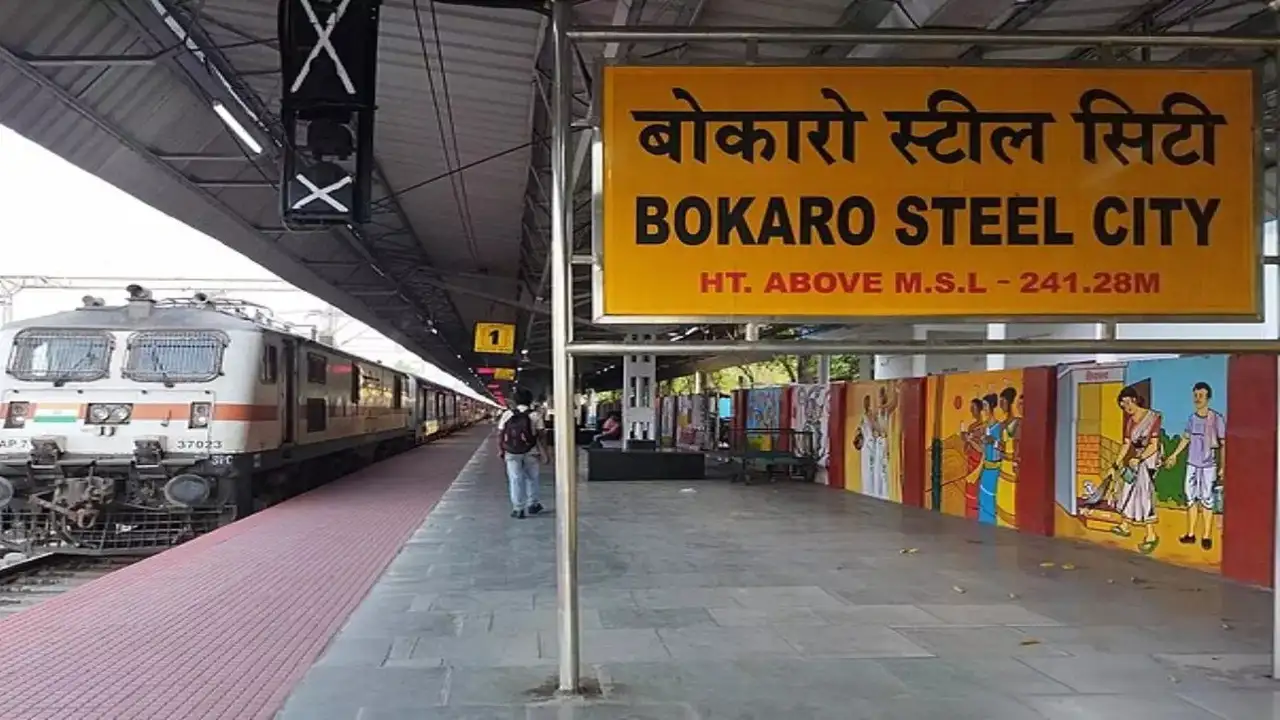
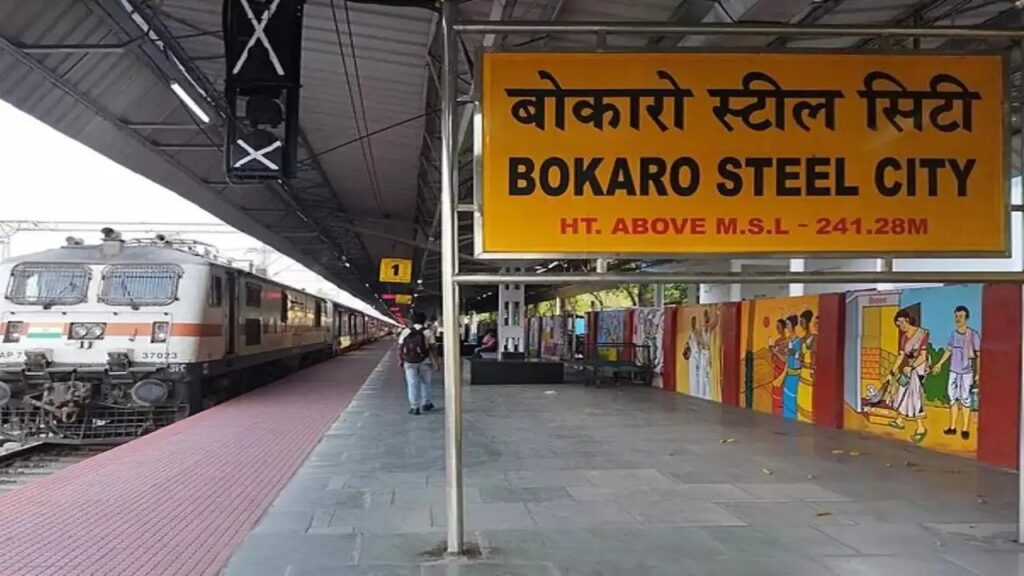
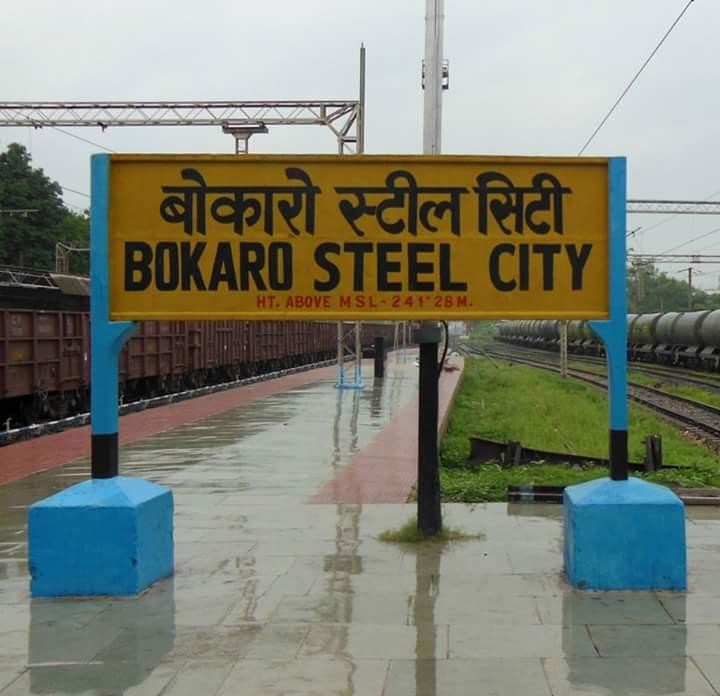
The city has good connectivity through rail and road networks. Bokaro Steel City Railway Station connects it to major cities like Ranchi, Kolkata, Patna, Delhi, and Mumbai. National and state highways link Bokaro with nearby industrial and mining regions.
Education and Institutions
Education is an important strength of Bokaro. The city has several reputed schools, colleges, and technical institutions. Prominent schools such as Delhi Public School, Chinmaya Vidyalaya, and DAV Public School provide quality education. Bokaro is also home to engineering colleges, ITIs, and management institutes that support technical and professional education.
These institutions attract students from nearby districts and contribute to the city’s intellectual and cultural growth.
Culture and Society
Bokaro is a multicultural city with people from different parts of India living together. Communities speaking Hindi, Bengali, Bhojpuri, Maithili, Urdu, and tribal languages coexist harmoniously. This diversity is reflected in the city’s festivals, food, and traditions.
Major festivals like Diwali, Holi, Durga Puja, Chhath Puja, Eid, Christmas, and Sarhul are celebrated with enthusiasm. Bokaro’s social harmony and cultural unity make it a peaceful and welcoming city.
Tourist Attractions and Recreation
Though primarily an industrial city, Bokaro has several attractive places for recreation and tourism. City Park, one of the largest parks in Asia, is a major attraction with lush greenery, walking tracks, and boating facilities. Garga Dam is another popular picnic spot offering scenic beauty and water activities.
Religious places like Jagannath Temple, Byathut Hanuman Temple, and various mosques and churches add spiritual significance to the city. Shopping complexes, cinemas, sports stadiums, and clubs provide entertainment and leisure options for residents.
Economy Beyond Steel
While steel production remains the backbone of Bokaro’s economy, other sectors are gradually developing. Small-scale industries, trade, education, healthcare, and service sectors are expanding. The presence of nearby coalfields and industrial towns further strengthens the regional economy.
Efforts are being made to diversify Bokaro’s economic base and promote entrepreneurship, skill development, and sustainable industries.
Challenges and Future Prospects
Like many industrial cities, Bokaro faces challenges such as pollution, urban expansion, and employment diversification. However, modernization of the steel plant, investment in green technologies, and development of infrastructure are helping address these issues.
With its strong industrial foundation, skilled workforce, and improving quality of life, Bokaro has great potential for future growth. Smart city initiatives, environmental conservation, and industrial innovation can further transform Bokaro into a modern and sustainable city.
Conclusion
Bokaro is much more than just a steel city. It represents India’s journey toward industrial self-sufficiency and planned urban development. With its rich industrial heritage, cultural diversity, educational institutions, and natural beauty, Bokaro holds a unique place in Jharkhand and the nation. As it continues to evolve, Bokaro stands as a symbol of progress, resilience, and unity.
Leave a Reply